
Last updated November 15, 2026
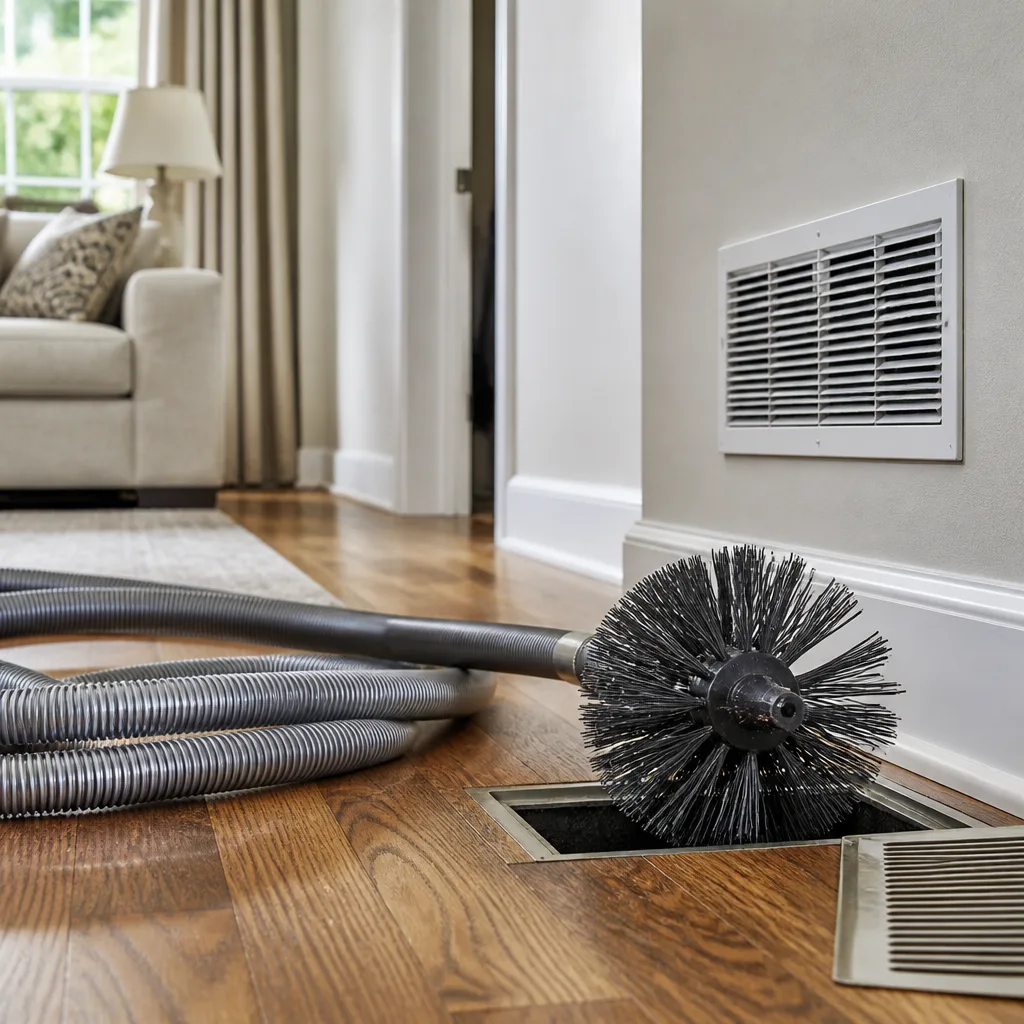 Whole-home duct cleaning
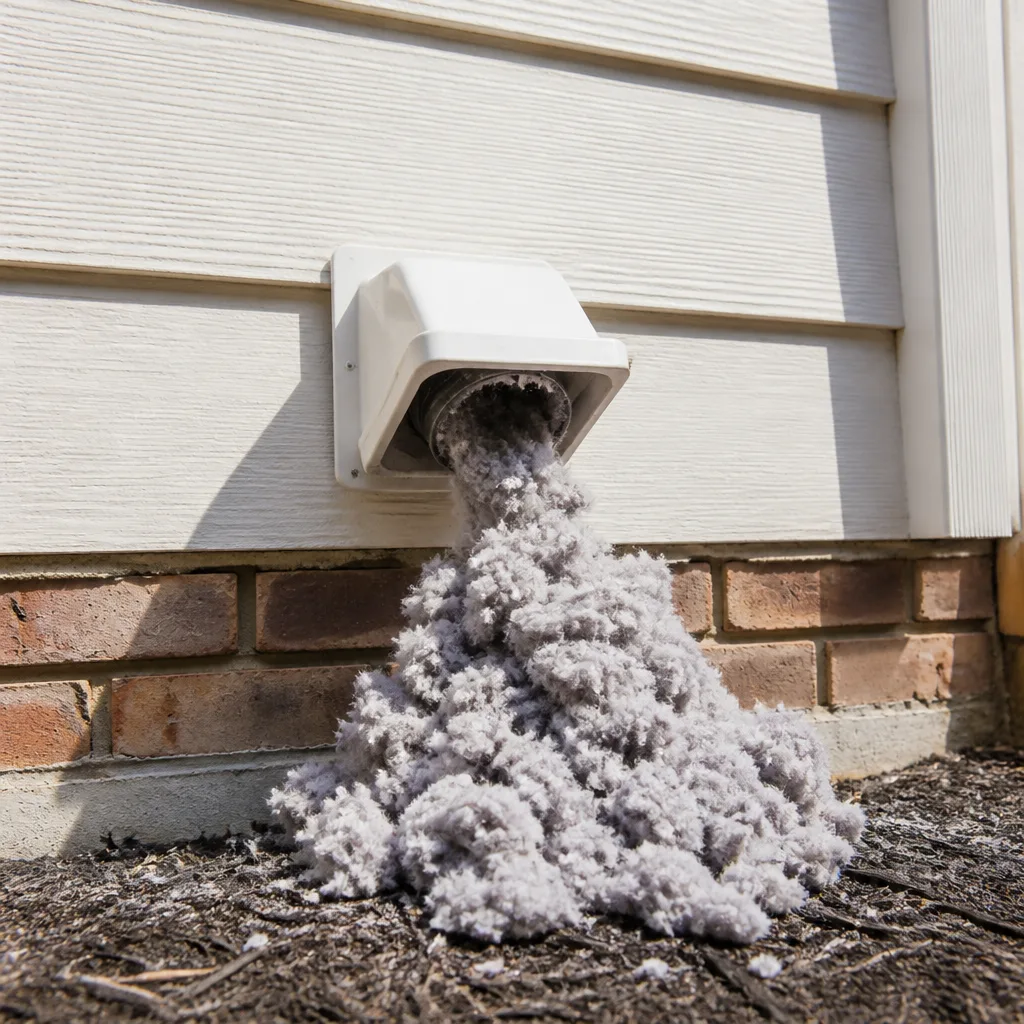 Dryer vent cleaning
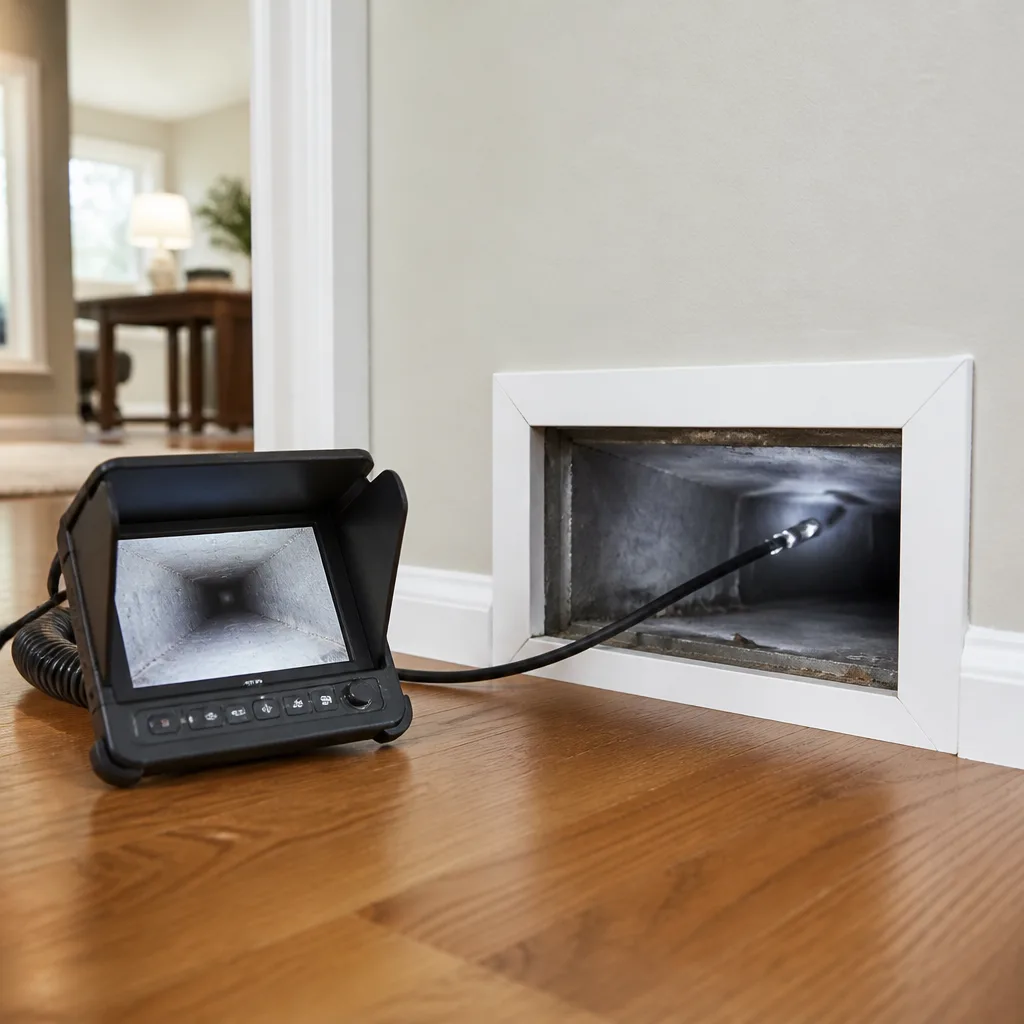 Camera inspection
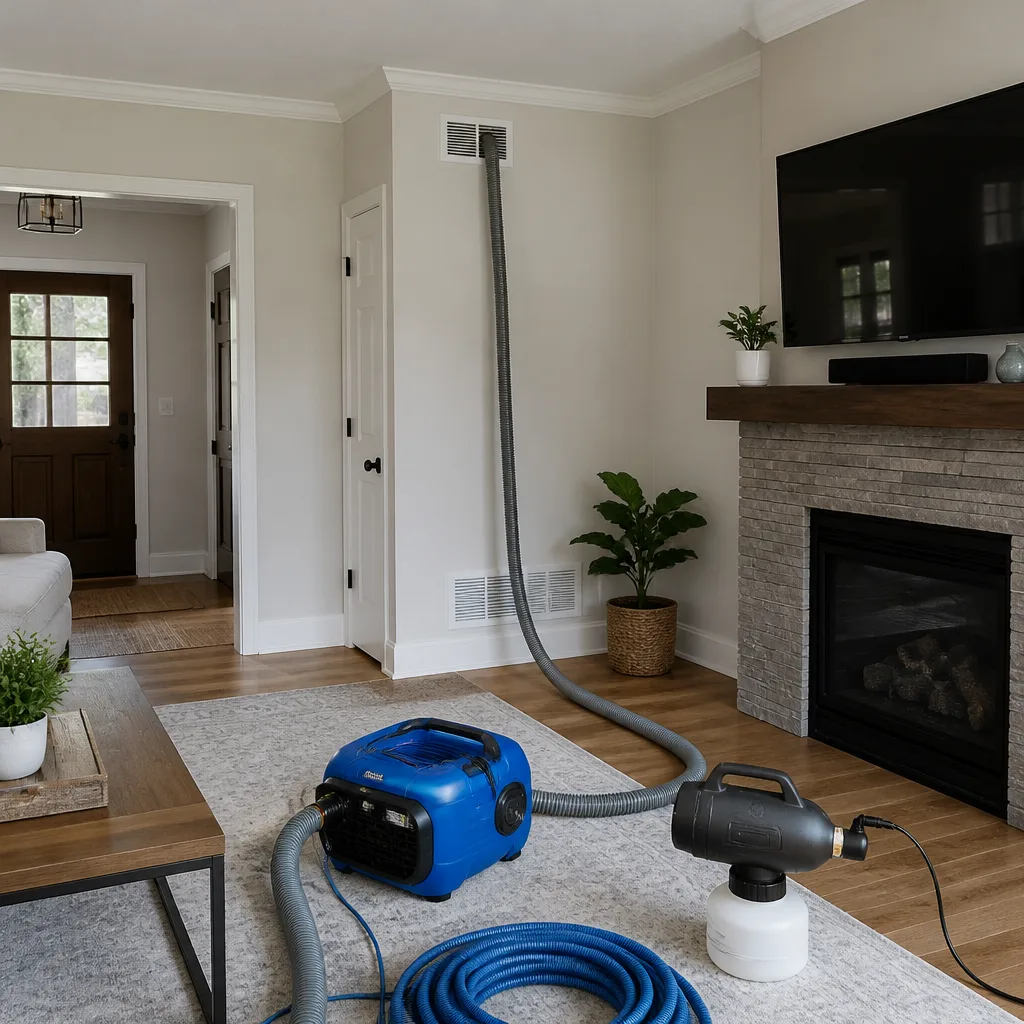 Sanitizing & deodorizing
Whole-system duct and dryer vent check with before-and-after photos - you see exactly what came out of your vents
That "$99 whole-house special" is a bait ad - the real number appears once they are in your hallway, or the "clean" is a shop-vac at the register. We photograph the inside of your ducts before and after instead.
Air Duct Cleaning Permits, Codes & Inspections in Nampa, ID: What You Need to Know
Here’s the part that surprises most homeowners: routine duct cleaning is maintenance work, and maintenance work doesn’t need a permit. But the moment a technician reconnects a sagging flex run, seals a joint that’s been bleeding air for years, or replaces a crushed section of trunk line, that crosses into mechanical repair – and mechanical repair in Nampa can trigger a permit under Idaho’s adopted building codes. Many people assume any work inside their walls is “just cleaning.” It isn’t. This guide explains exactly where that line sits, when sealing or repair requires a permit from the City of Nampa Building Department, what documents protect you at resale inspection, and how unpermitted duct work has a habit of surfacing at the worst possible time. You’ll finish knowing what to ask before anyone touches your ductwork.
Quick Answer
In Nampa, routine air duct cleaning does not require a permit because it’s classified as maintenance, not construction. But duct repair or modification – reconnecting disconnected runs, replacing crushed or collapsed sections, or making structural changes to the system – may require a mechanical permit from the City of Nampa Building Department under Idaho’s adopted building codes. If your cleaning visit turns into a repair, ask the contractor whether a permit applies and get the scope documented in writing either way.
Styles & brands we work with
- Whole-home duct cleaning
- Dryer vent cleaning
- Camera inspection
- Sanitizing & deodorizing
Table of Contents
- Does duct cleaning need a permit in Nampa?
- Maintenance vs. mechanical repair: where the line sits
- When duct sealing is incidental repair and when it isn’t
- What to ask a contractor to document
- How unpermitted duct work shows up at Canyon County inspections
- The practical process for pulling a mechanical permit in Nampa
- Why Nampa’s climate and housing stock make duct condition matter
- Common mistakes to avoid
Does duct cleaning need a permit in Nampa?
No. Cleaning the interior of your ductwork is considered routine maintenance, and the City of Nampa Building Department does not issue permits for maintenance work. That’s true whether the ducts serve a single-family house off Garrity Boulevard or a small retail suite in the downtown core. Cleaning removes accumulated dust, debris and lint; it doesn’t alter the structure or mechanical function of the HVAC system.
The same goes for inspecting your ducts, replacing filters, or upgrading to a better filter cabinet like those made by Honeywell or Aprilaire. None of those are construction activities, and none require a permit.
What does require a permit is work that changes the mechanical system itself. Under Idaho’s adopted building codes, which follow the International Residential Code and International Mechanical Code as amended locally, mechanical permits cover:
- Installing, replacing or relocating duct runs
- Connecting new ductwork to an existing air handler or furnace
- Making structural changes to a trunk line – resizing, reconfiguring, or rerouting
- Electrical work associated with the system, which falls under a separate electrical permit
Reconnecting a disconnected run is where homeowners most often get caught off guard. It feels like a small thing during a cleaning visit, and it often is a small thing physically. But it’s still a repair to the mechanical system, and in Nampa it can fall under permit requirements. We’ll walk through exactly how to tell the difference below.
Maintenance vs. mechanical repair: where the line sits
The distinction that matters most in Nampa is between work that keeps the system clean and work that changes the system. Maintenance preserves the status quo. Repair restores or restructures. A permit is about whether a building inspector needs eyes on the finished product.
Here’s how we break it down when we’re on a job:
No permit typically required
- Cleaning the interior of ducts. Contact-brushing, negative-air extraction, sanitizing – all maintenance.
- Replacing air filters. Even upgrading to a higher-MERV filter or a Honeywell or Aprilaire cabinet.
- Cleaning the dryer vent. A separate airflow system entirely; the lint trap and vent run aren’t part of the HVAC mechanical system.
- Replacing supply registers or returns. The covers, not the ductwork.
- Re-taping a joint with mastic or approved metal tape when it’s small, incidental, and part of regular air-sealing maintenance.
Possibly requiring a mechanical permit
- Reconnecting a fully disconnected run. This restores a broken part of the mechanical system; whether it needs a permit depends on scope and local interpretation.
- Replacing a crushed or collapsed section of duct. New material, new mechanical function.
- Sealing a large portion of the duct system as part of an air-sealing improvement rather than spot repair.
- Adding, removing or rerouting a run. Any change in layout.
- Installing a ducted air cleaner or humidifier that ties into the ductwork.
If you’re not sure which side of the line a specific job falls on, the safest call is to ask the City of Nampa Building Department directly. A permit costs less than an unpermitted HVAC modification discovered at resale.
When duct sealing is incidental repair and when it isn’t
Duct sealing is the single most confusing category, because the same activity – applying mastic or metal tape to a joint – can be either routine maintenance or a mechanical modification depending on how much of it happens and why.
Incidental sealing is what happens during cleaning and inspection. You find a handful of loose joints, a small gap at a trunk takeoff, or a bit of tape that’s dried out and flapping. You seal those spots as part of getting the system back to where it should have been. This is maintenance-level work and generally doesn’t require a permit.
Systematic air-sealing is different. When the goal is to improve static pressure, reduce leakage across the whole system, or seal a large percentage of the duct run in a crawlspace or attic, that’s an upgrade to the mechanical system rather than a spot repair. In many jurisdictions, that’s when a permit conversation starts. It’s an improvement, not maintenance.
In our experience working across Nampa, most of what we find is incidental: joints that never got sealed properly in the first place, or tape that has aged out. Those are quick fixes, and sealing them is part of the airflow work we do. The judgment call is when sealing becomes a project with a defined scope and a measurable performance goal. At that point, a permit may be the right call.
Whatever the answer, mastic – not duct tape – is the correct material for permanent joints. Duct tape dries out and fails, and it fails faster in the dry desert air that defines a Nampa summer.
What to ask a contractor to document
A written record is your protection. If a technician makes any repair during a duct cleaning visit, ask for documentation that captures what was found, what was done and why. This matters at resale inspection, at insurance claims, and if a future HVAC contractor tries to sell you on work you didn’t need.
Specifically, ask for:
- A written scope of work that lists every repair made, with materials named (mastic, metal tape, replacement duct type and dimensions).
- Before-and-after photographs of every repair location. Photos are cheap and they settle disputes years later.
- The name of the technician or company who performed the repair, plus a service date.
- A note on whether any part of the work falls under a permit and, if so, the permit number.
- A statement of what you were told about future maintenance – not a selling document, but a plain record of what the technician observed.
Home inspectors and HVAC contractors performing pre-sale evaluations see the same thing: ductwork that has clearly been altered by someone, but with no paper trail. That’s when expensive questions start. A one-page record is the cheapest insurance in your file cabinet.
If we’re doing an air duct cleaning visit and find a disconnected run, we note it, show you the photos, and talk through whether that falls into a permit category in your situation. Whether you hire us, another Nampa company, or handle the permit process yourself, documentation keeps you clear.
How unpermitted duct work shows up at Canyon County inspections
The single most reliable way duct work gets caught is during a home inspection. When a buyer’s inspector goes through an attic or crawlspace in a Nampa property – and many neighborhoods here, from the older homes near Lakeview Park to newer builds in the northern subdivisions, have accessible duct runs – they check whether the system looks altered. Fresh flex duct, mismatched materials, hangers added or removed, tape in odd places: all of these get flagged.
When that happens, three things typically follow:
- The buyer asks for documentation the seller can’t provide, because the repair was never recorded.
- A retroactive permit process begins at the City of Nampa Building Department. Retroactive permits mean an inspection of work already completed, which is harder and sometimes requires opening up materials to verify.
- Closing gets delayed while the paperwork settles – often at the exact moment everyone wants it done.
The frustrating part is that a vast majority of these situations aren’t the seller trying to hide anything. They’re the result of a technician making a quick fix during a cleaning visit years ago and nobody documenting whether a permit applied. Or a handyman reconnecting a duct without knowing that reconnecting counts as mechanical repair under the adopted code.
We’ve seen it in our own service calls when we’re called out ahead of a sale: a homeowner has ductwork they didn’t know was altered, no record of who did it, and an inspector asking good questions they can’t answer. The fix isn’t dramatic. It’s documentation and, when needed, a retroactive permit that puts the work on record at the city.
The practical process for pulling a mechanical permit in Nampa
If a contractor identifies duct work that needs a permit, here’s how the process typically goes in Nampa:
- Walk through the scope with the contractor. Get the specific list of mechanical work to be performed in writing before anyone submits anything.
- Confirm with the City of Nampa Building Department whether the scope requires a mechanical permit. Not every job needs one. The scope drives the answer.
- File the mechanical permit application with the contractor listed as the permit holder for the mechanical work (or you as the homeowner if you’re managing it directly).
- Complete the approved work within whatever inspection window the permit allows.
- Schedule the inspection. A city building inspector verifies the duct work meets the adopted mechanical code requirements for sealing, support, materials and installation.
- Keep the permit and inspection record with your home documents. This is the paper trail that follows the work into any future sale.
Two things to know. First, permits add time and cost to a job – but that cost is trivial compared to reopening a sale. Second, a permit protects the contractor, not just you. A good HVAC contractor wants the work inspected because an approved inspection is proof the work was done to code.
When we work in Nampa, we walk homeowners through this process when it applies. Not every repair triggers a permit, and we don’t recommend one for the sake of it. But when it does, the work gets done right and on record.
Why Nampa’s climate and housing stock make duct condition matter
Nampa sits in the dry, high-desert Treasure Valley, and that shapes duct behavior in ways coastal or humid climates don’t see. Summer afternoons push triple digits. Winter nights drop well below freezing. The system cycles hard through both. That cycling is what loosens joints and tape and stress-cracks cheaper flex duct over time.
Dry air also does a number on duct tape and older mastic. Both dry, crack, and peel – sometimes faster here than the ten-year lifespan you’d expect in a mild climate. That’s why we recommend mastic and mechanical fasteners over tape for anything permanent, and why sealing during a cleaning visit is worth doing right the first time.
The housing stock is a story too. Nampa has a mix of older homes near the downtown core with original metal ductwork, mid-century homes with duct systems that have been added onto more than once, and newer subdivisions where flex duct dominates. Each type has its own common failure points:
- Older metal ductwork is prone to joint gaps from decades of thermal movement – a common source of pressure loss and dust infiltration.
- Add-on systems in older homes often have mismatched duct sizing and short runs that don’t connect cleanly to the original trunk.
- Flex duct in newer homes sags, kinks and separates when not properly supported, especially in unconditioned attics that swing between extreme heat and cold.
We see all three on regular dryer vent cleaning and inspection visits – which, by the way, are a safety service on their own and never require a permit. But when we’re already in the crawlspace or attic, we look at the ducts too. It’s rare to find everything in perfect shape.
Because Nampa’s dust season is long and the system runs hard through summer and winter, duct cleaning frequency matters. We find many systems benefit from cleaning every two to three years, though that depends on pets, filters, and whether your ductwork is leaking. A leaking duct system pulls attic dust and insulation fibers into the airstream – making a cleaning interval that would suffice in a tight house feel too long in a leaky one.
Common Mistakes to Avoid
- Assuming any duct work during cleaning is “maintenance.” Reconnecting a run or replacing a section is repair, and in Nampa that can mean a mechanical permit. Ask the contractor directly before the work starts, not after.
- Using duct tape for a permanent joint. Duct tape dries, cracks and peels, especially in Nampa’s dry summers. Use mastic or metal tape. A taped joint that fails in three years is not a repair.
- Skipping documentation because the job “was small.” Small repairs are exactly the ones that show up undocumented at resale inspection. A photo and a one-line note cost nothing and settle everything.
- Not asking whether a permit applies to a large sealing project. Spot-sealing is maintenance. Whole-system air-sealing is often a mechanical upgrade and may be permit territory. Ask.
- Hiring a cleaning-only company that can’t repair what it finds. If the technician only vacuums, any problem found is documented and deferred – and you’re left chasing a second contractor who has to open the ductwork again.
- Letting a handyman make duct modifications. HVAC duct work falls under mechanical code and typically requires a licensed mechanical contractor. A general handyman reconnecting flex runs in your attic can put you inside an unpermitted-work situation at sale.
- Ignoring visible symptoms of duct failure. A run that’s come loose in the attic just looks like a slightly higher energy bill. Actually it’s leaking conditioned air into the attic year-round, and it doesn’t fix itself.
See the difference
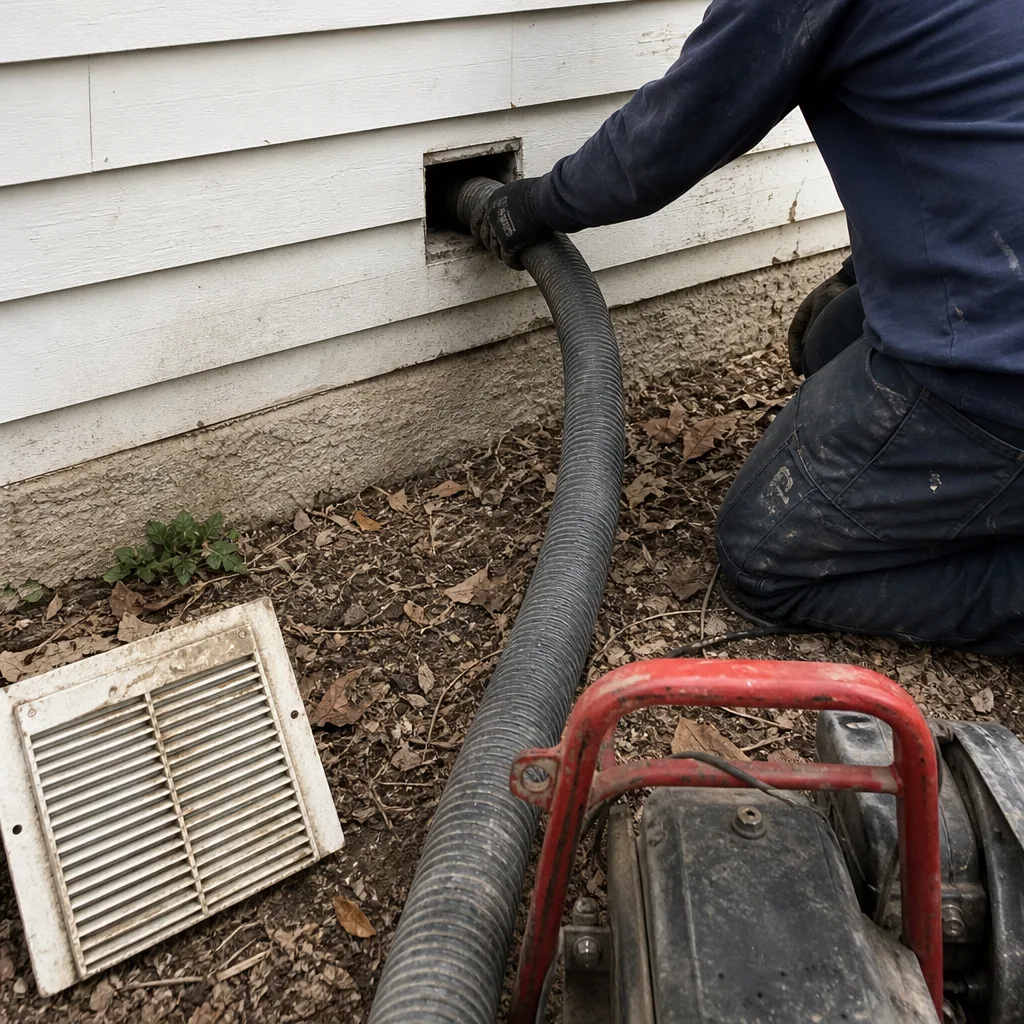 Before
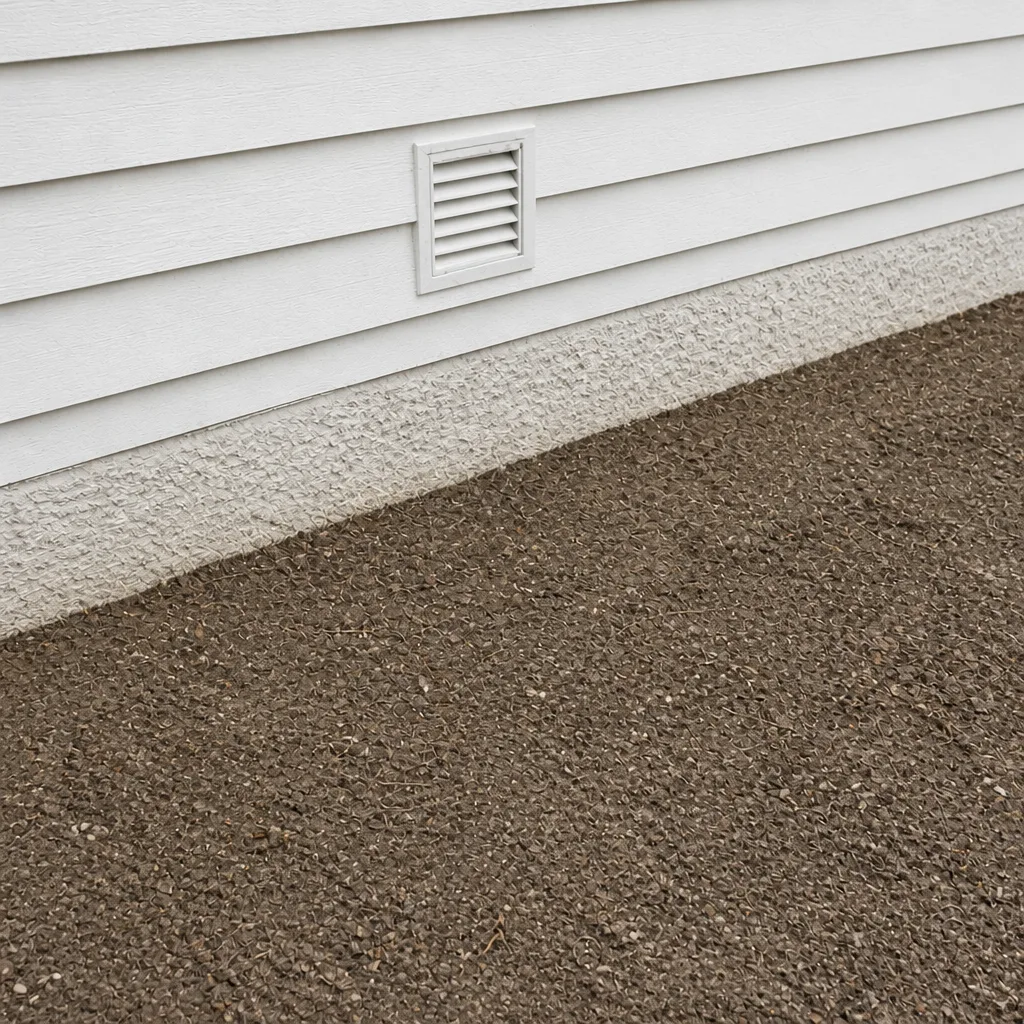 After
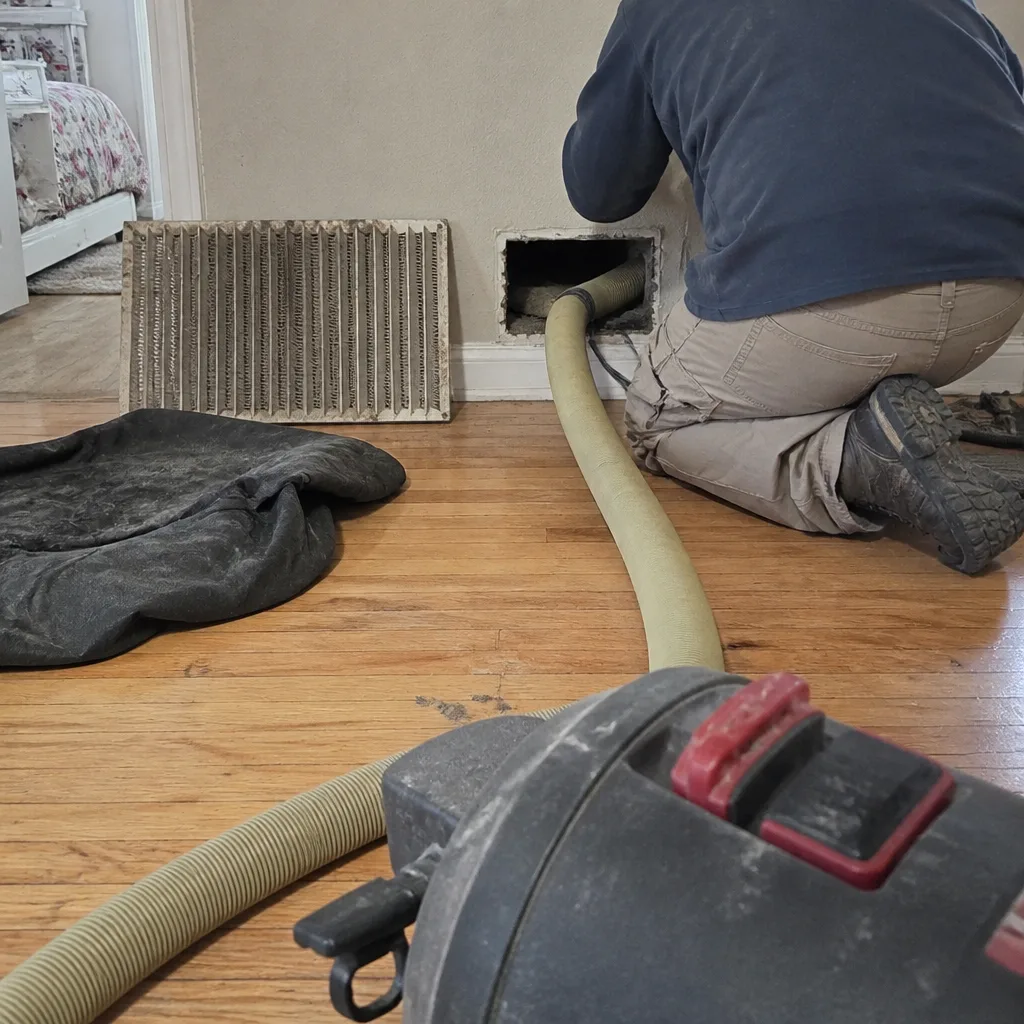 Before
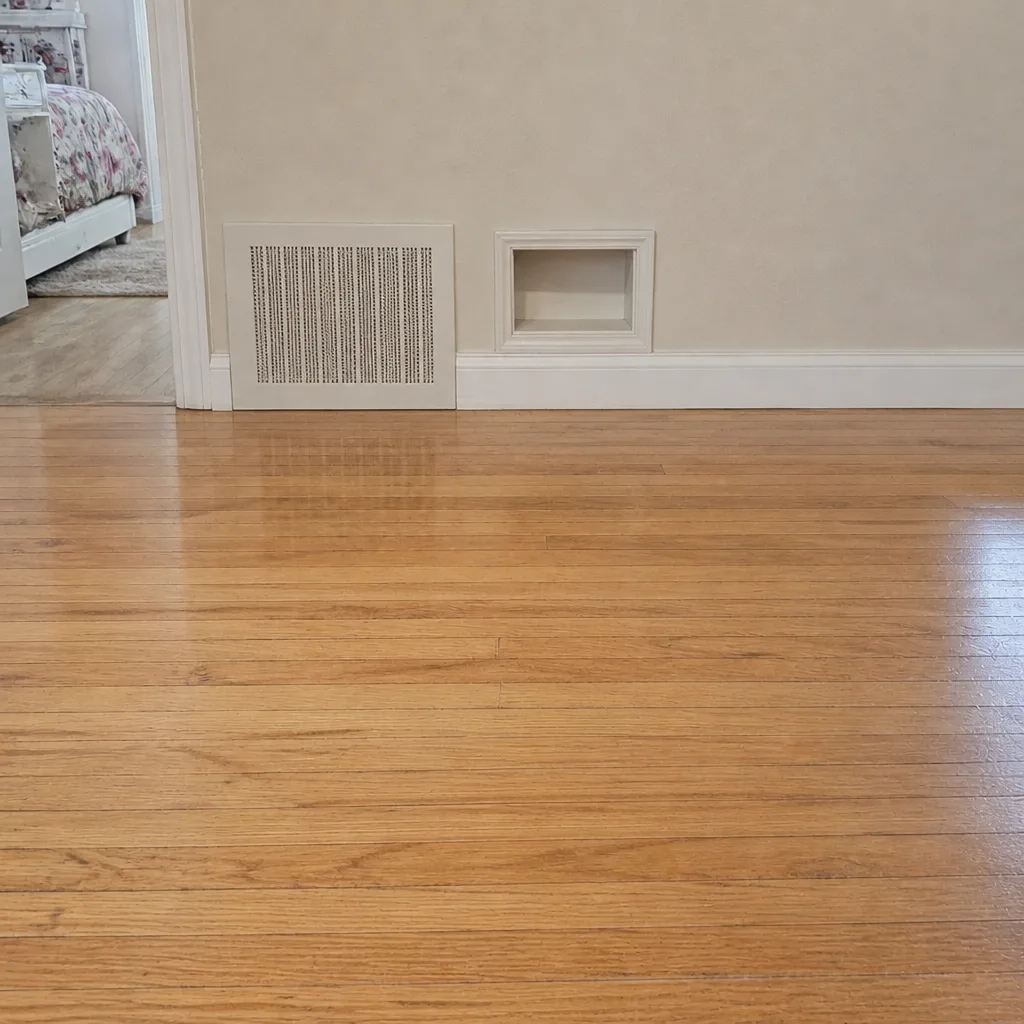 After
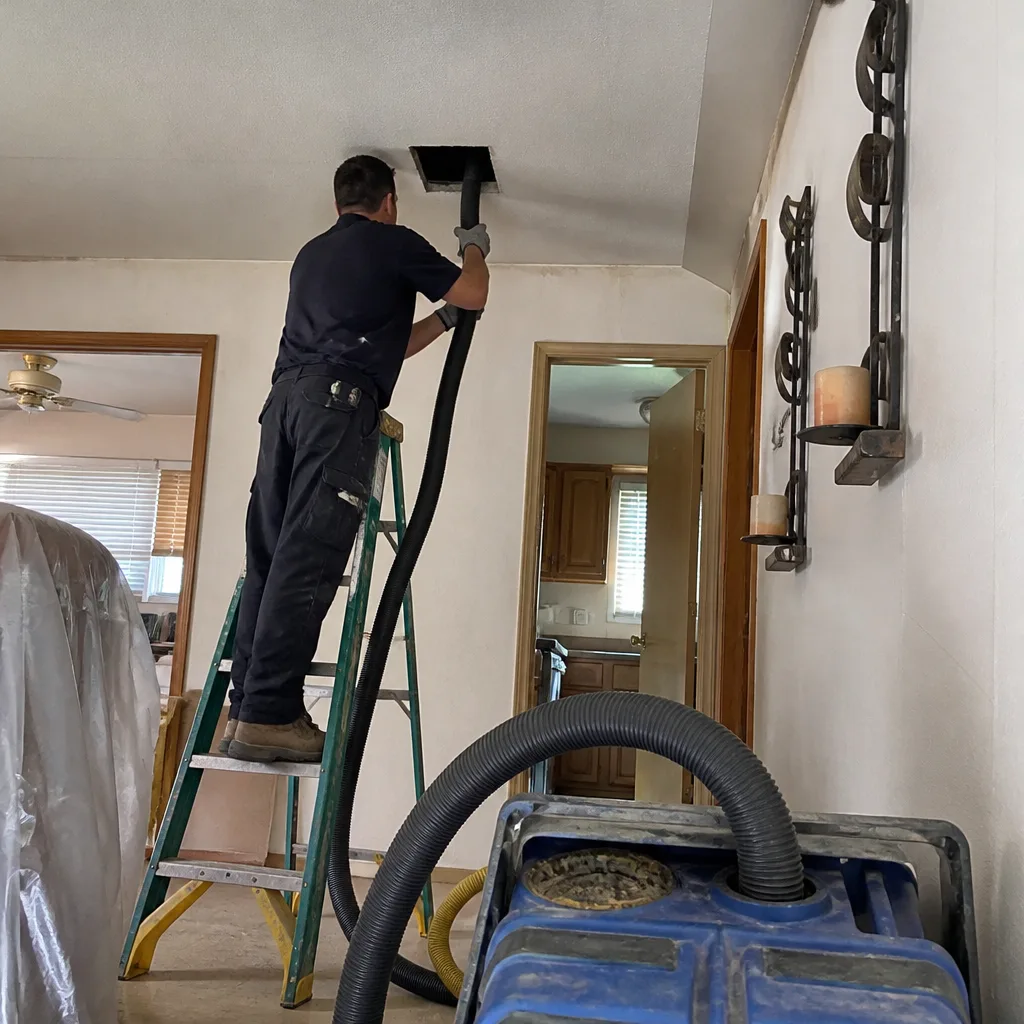 Before
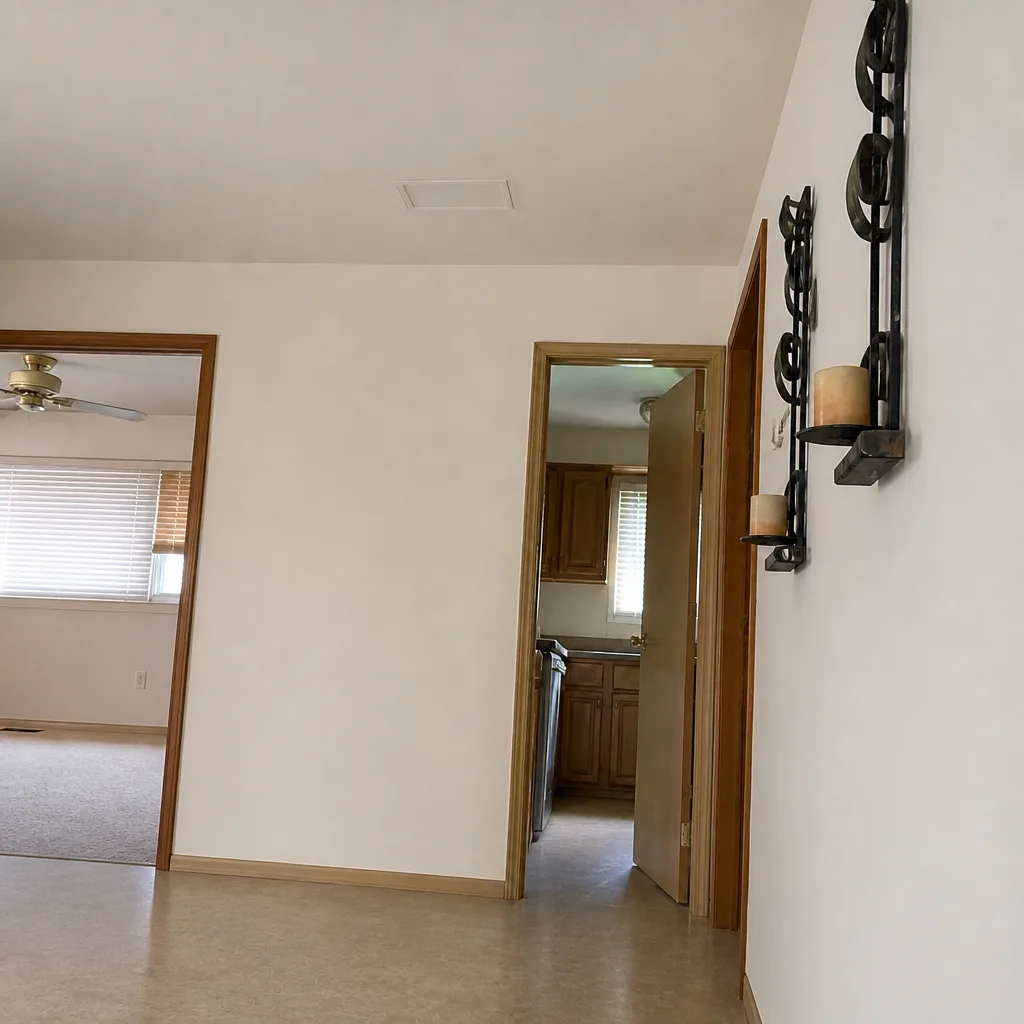 After
When to Call a Professional
Call a professional when you suspect a duct has come loose, when a room is chronically cooler or warmer than the rest of the house, when you see flexible duct sagging in the attic or crawlspace, or when you’re buying or selling a Nampa home with visible HVAC alterations and no paper trail. Also call if you haven’t had the system cleaned in several years – inspection and cleaning go together, and a technician who can identify a problem is more useful than one who just vacuums.
Nampa Duct Cleaning offers free estimates in Nampa – call (833) 842-1697. We use professional-grade Rotobrush and Abatement Technologies equipment on every job, and we offer duct repair as a named service, so if we find a gap, collapse, or disconnected run, we fix it. One call covers your HVAC ducts, your dryer vent, and any ductwork repairs – no referrals needed.
Frequently Asked Questions
No. Air duct cleaning is classified as maintenance, not construction, and the City of Nampa Building Department does not require a permit for it. What can require a permit is duct repair or modification done during the visit – reconnecting a run, replacing a section, or making structural changes to the trunk line. If a repair comes up, ask your contractor before work starts. Call (833) 842-1697 for an exact quote – estimates are free.
Whole-system air duct cleaning typically runs in the several-hundred-dollar range for a standard single-family home in Nampa, with pricing varying based on system size, number of runs, and accessibility. That range includes debris extraction and, when needed, spot-sealing of loose joints. The written estimate sets the final price. Call (833) 842-1697 and we’ll give you a whole-system quote – no per-vent pricing.
It depends on scope. Incidental sealing of a handful of joints during cleaning generally doesn’t require a permit, but systematic air-sealing across a large portion of the duct system as a performance upgrade may fall under mechanical permit requirements. If your contractor is proposing anything beyond spot-sealing, ask them to confirm with the City of Nampa Building Department before starting. Call (833) 842-1697 for a free assessment of what your system actually needs.
Ask for before-and-after photographs of your own ductwork, a written scope of work, and a name and date on the service record. Any contractor making duct repairs should be able to show you the before and after and give you a plain description of what was done and why. The written estimate sets the price and the documentation sets the record. Call (833) 842-1697 for an estimate.
The buyer’s inspector typically flags the alteration, and the closing process usually requires a retroactive permit through the City of Nampa Building Department, which involves an inspection of already-completed work. This delays closings and sometimes requires opening up materials to verify compliance. The best defense is documentation at the time of repair. Call (833) 842-1697 if you need duct repairs documented correctly before a sale.
Most Nampa homes benefit from professional duct cleaning every two to three years, though households with pets, allergy sufferers, recent remodeling, or known duct leakage may need it more often. Nampa’s dry climate and long dust season accelerate buildup, and duct leaks pull attic dust into the airstream. If it’s been more than three years, an inspection is worth scheduling. Call (833) 842-1697 for a free estimate.
The Bottom Line
Air duct cleaning in Nampa is maintenance, and maintenance doesn’t require a permit. Duct repair or modification is a different category – and in Nampa, under Idaho’s adopted building codes, that category can trigger a mechanical permit from the City of Nampa Building Department. The dividing line isn’t always obvious, but a few habits keep you clear: ask the contractor whether a permit applies before repairs start, get written documentation and before-and-after photos of every repair, and keep the permit record with your home file. If you’d rather work with a company that can clean, inspect and repair in one visit – and show you the work – that’s what we do. Cleaner ducts, safer dryer vents, repaired ductwork: that’s what a complete airflow inspection looks like.
Call Nampa Duct Cleaning at (833) 842-1697 for a free estimate. We answer 24/7. Fast dispatch from 7am to 7pm, Sunday through Friday.
Written by the team at Nampa Duct Cleaning.