
Last updated November 15, 2026
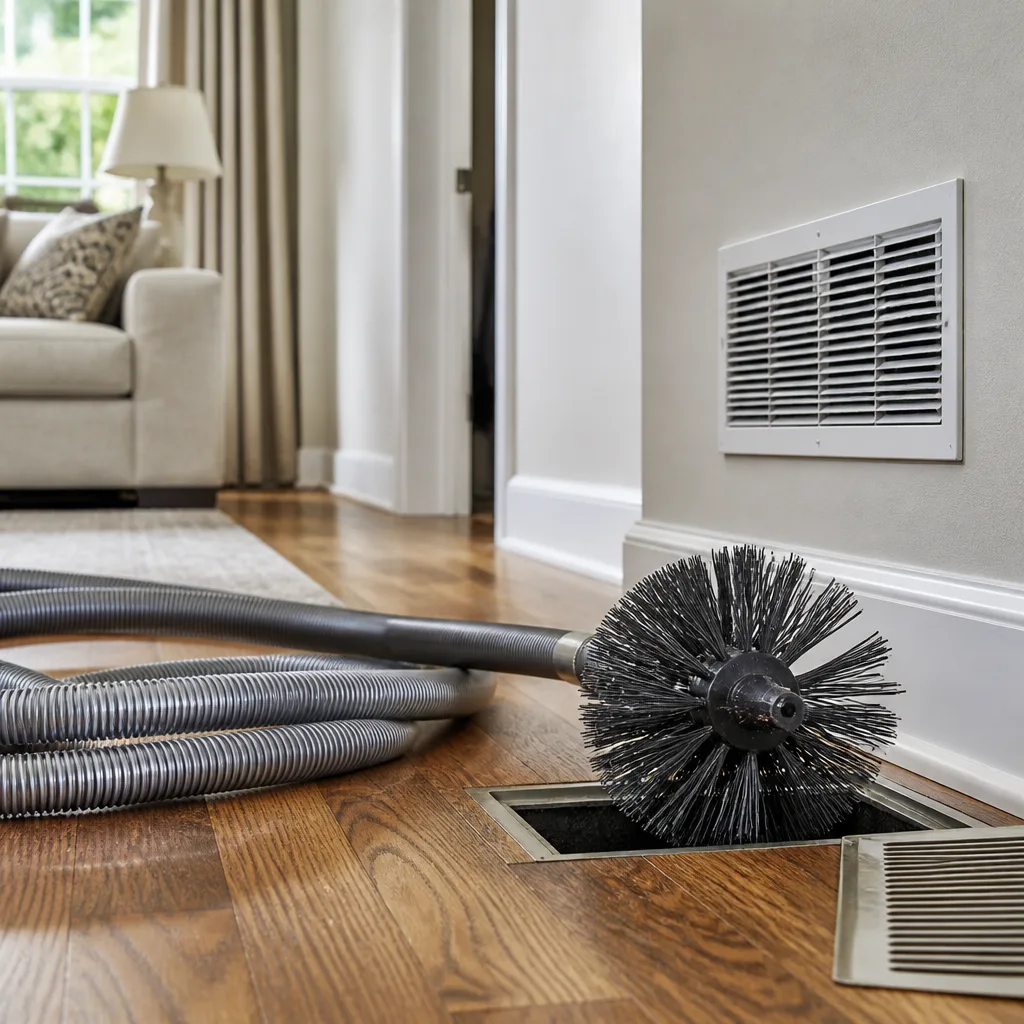 Whole-home duct cleaning
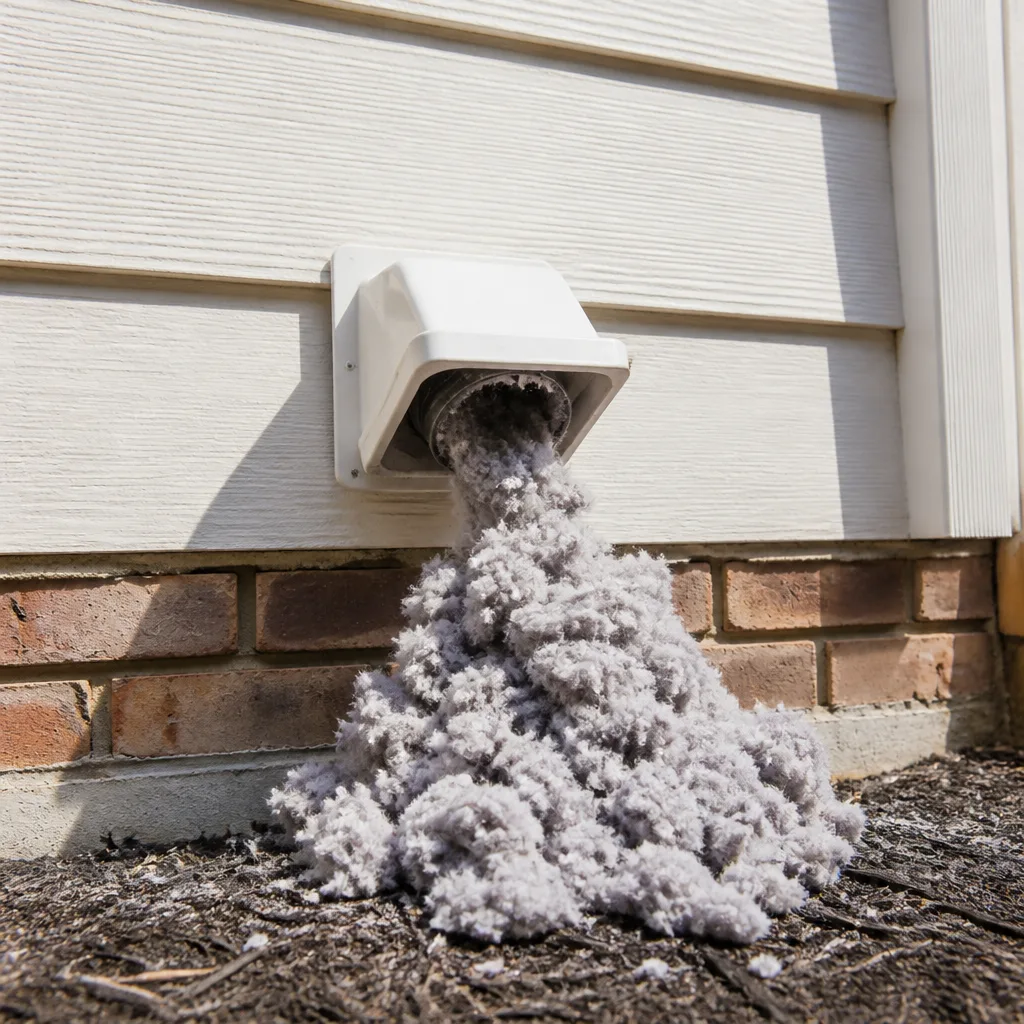 Dryer vent cleaning
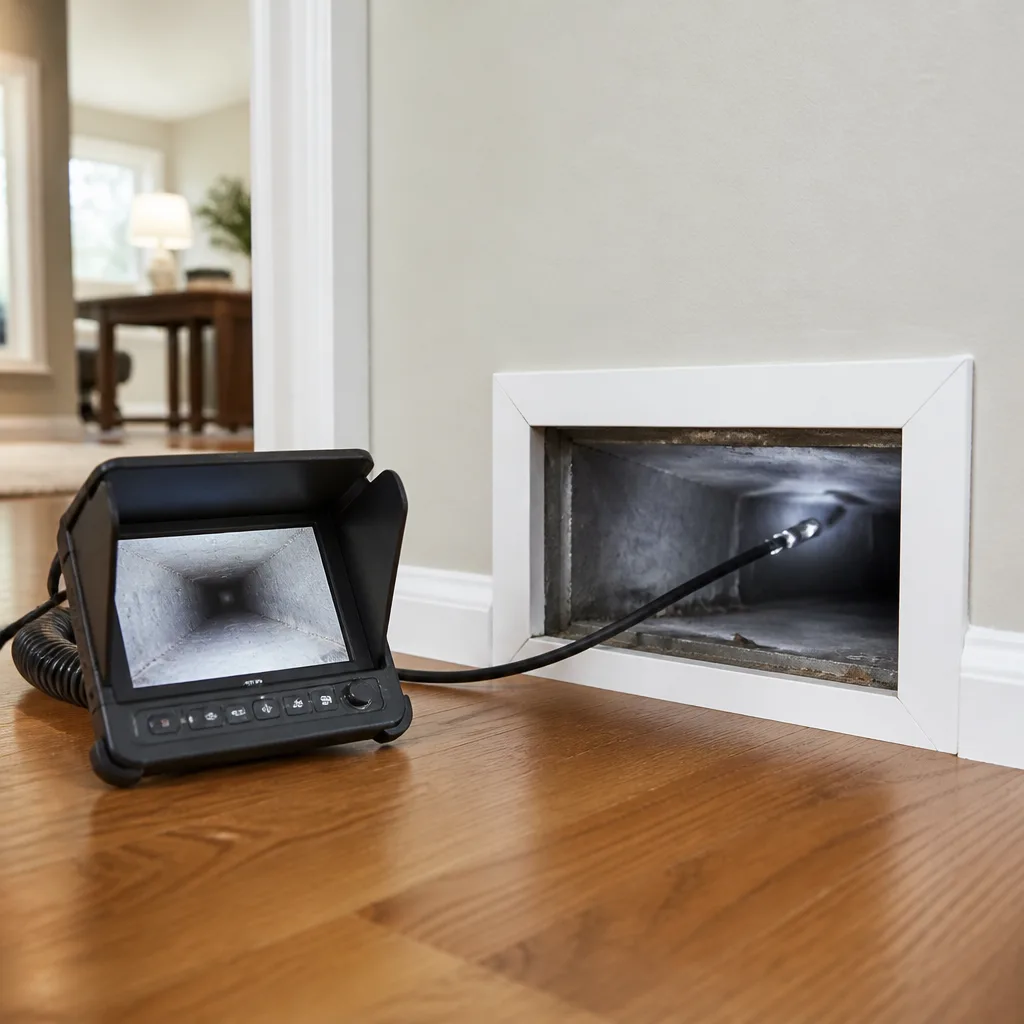 Camera inspection
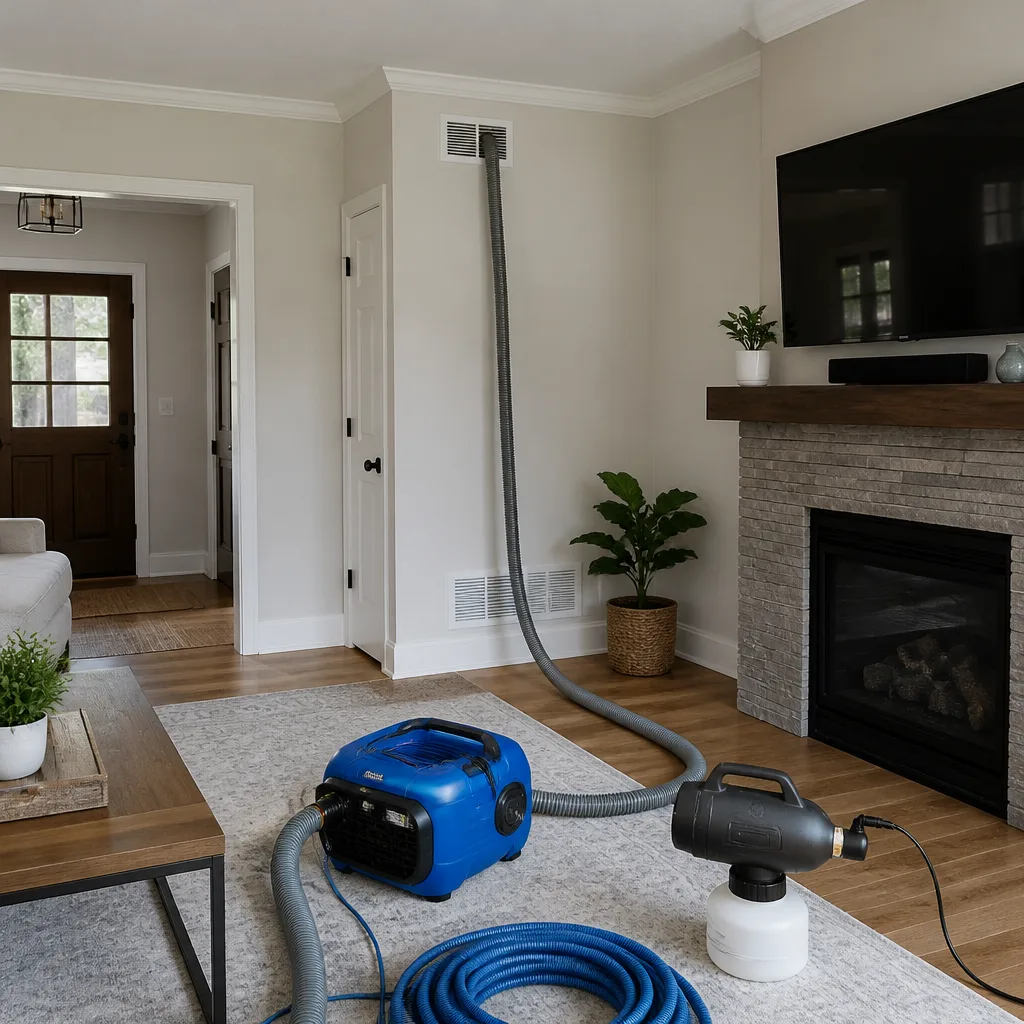 Sanitizing & deodorizing
Whole-system duct and dryer vent check with before-and-after photos - you see exactly what came out of your vents
That "$99 whole-house special" is a bait ad - the real number appears once they are in your hallway, or the "clean" is a shop-vac at the register. We photograph the inside of your ducts before and after instead.
Choosing the Right Air Duct Cleaning Brand: A Buyer’s Guide for Nampa
National duct cleaning franchises market heavily on name recognition. That recognition tells you almost nothing about what will actually happen in your home. Franchise agreements generally don’t set equipment minimums, which means one franchisee can pull up with a portable consumer-grade unit while another arrives with HEPA-rated industrial extraction, and both carry the same sign on the truck. You can’t see the difference from the curb. This guide explains what actually separates a good duct cleaning from a bad one, how to read reviews and quotes with a sharper eye, and why the equipment and repair capability behind the job matter far more than the logo. We’ll keep it practical for Nampa homeowners.
Quick Answer
Choose an air duct cleaning provider based on equipment, process, and repair capability, not brand name. The right company for a Nampa home uses HEPA-rated industrial extraction (brands like Nikro or Abatement Technologies), follows the NADCA cleaning process, and can repair damaged or disconnected ductwork rather than just vacuum around it. Location matters too: a locally accountable operator you can call back is worth more than a national logo.
Styles & brands we work with
- Whole-home duct cleaning
- Dryer vent cleaning
- Camera inspection
- Sanitizing & deodorizing
Table of Contents
- Why Brand Recognition Is a Poor Proxy for Quality
- What Equipment Actually Determines the Result
- What the NADCA Standard Covers (and What It Doesn’t)
- Local Specialist vs. National Franchise: What to Compare
- How to Read Reviews Specifically for Duct Cleaning
- Duct Specialist vs. HVAC Generalist
- How to Evaluate a Duct Cleaning Quote
- Nampa-Specific Things to Keep in Mind
Why Brand Recognition Is a Poor Proxy for Quality
A recognizable name is easy to buy. A quality clean is not. National duct cleaning franchises sell their name to independent operators, and the franchise agreement typically covers marketing, branding, and business support. It rarely mandates a specific class of equipment. The result is a marketplace where the sign on the truck says one thing and the machine in the driveway says another. A franchisee near you could be running a lightweight portable unit that agitates dust without capturing it. The brand tells you nothing about that.
This is the single biggest blind spot in duct cleaning as a category. In other trades, poor work shows up quickly. A bad paint job is visible. A failed repair means a callback. A duct cleaning that only blows air through the system can look fine from the outside while leaving the actual contamination in place, stuck to the duct walls where nobody parks a camera. The homeowner has no visual reference for what “clean” should look like.
What actually predicts a good job:
- Contact cleaning equipment that physically scrubs duct walls, not just pulls air past them.
- HEPA-rated extraction that captures what gets loosened instead of redistributing it into the living space.
- A verifiable process that follows an industry cleaning standard rather than a homemade sequence.
- Repair capability on-site so gaps, leaks, and disconnected runs get fixed rather than documented.
None of those advantages are trademarked. That’s the point. A well-equipped local operator can outperform a national franchise every time, and recognizing that changes how you shop. Residents in Nampa have plenty of options, so the decision comes down to what you can verify before anyone steps through the door.
What Equipment Actually Determines the Result
Duct cleaning is fundamentally a mechanical process: loosen the contamination attached to duct surfaces, then capture it before it settles elsewhere. That means two things have to work well together. The equipment must create enough contact to dislodge debris from duct walls, and the extraction side must be strong enough (and filtered well enough) to pull that material out of the system and into containment. A machine that does one half well fails the job.
Here’s what to look for when a provider describes their equipment, and what each component actually does:
- Rotary brush systems (Rotobrush-style contact cleaning). These drive a spinning brush through the ductwork, physically scrubbing the walls as it advances. That physical contact is what separates a real clean from an air-only pass. If a provider can’t explain how they agitate the duct surfaces, ask directly.
- HEPA-rated industrial vacuums (Nikro and Abatement Technologies equipment). HEPA filtration captures the fine particulate that cheap vacuums exhaust back into the air. Abatement Technologies equipment, in particular, is the same class of containment hardware used in professional remediation, which signals a contamination-control standard above typical duct cleaning operators.
- Negative-air containment where needed. On heavier jobs, keeping the work area under slight negative pressure prevents debris from migrating into living spaces. Not every job needs it, but a company that owns the capability handles difficult conditions better than one that doesn’t.
- Access tools and cameras. Proper access cuts, sealed after cleaning, and inspection cameras let the technician confirm what the equipment actually reached.
We run this class of equipment as a matter of course: Rotobrush contact cleaning paired with Nikro and Abatement Technologies HEPA units. It’s not the cheapest setup to operate, but it’s the difference between scrubbing a duct and gesturing at it. If you’d like to compare what a proper air duct cleaning includes, that page walks through the process step by step.
What the NADCA Standard Covers (and What It Doesn’t)
The NADCA standard is the most-cited process benchmark in residential duct cleaning, and it’s genuinely useful. It sets out a cleaning methodology: assessment before work begins, source removal rather than chemical fogging, protection of the HVAC components during cleaning, and a post-clean verification that the system was actually cleaned. That’s the framework a professional company should be able to describe without hesitation.
What the standard does not do is equally important. It doesn’t specify minimum equipment power requirements. It doesn’t certify that a given company owns rotary contact cleaning systems or HEPA-rated extraction. It doesn’t require repair capability. And it doesn’t audit every job a certified company performs. So when you see NADCA language on a website, treat it as evidence that the company understands the process, not as proof that the equipment in the driveway is up to the work.
The practical approach:
- Ask how they clean, not just whether they follow NADCA. If the answer is “source removal with contact cleaning and HEPA extraction,” that’s a real answer. If it’s “we use the NADCA method,” follow up.
- Ask what happens if the inspection finds a problem. Damaged ductwork, a collapsed run, a disconnected joint. A process standard doesn’t help you there. The company either repairs it or refers you out.
- Ask whether they photograph before and after. Verification is part of the standard, and photos are the simplest form of it.
The standard is a floor. A good company clears it and can tell you what’s above the floor.
Local Specialist vs. National Franchise: What to Compare
This isn’t about rooting for the local guy. It’s about which structure actually serves a homeowner better when something goes wrong or when the job turns out to be more than a cleaning. Locally operated specialists and national franchises earn their money differently, and that difference shows up in what they can do for you.
Compare these specific factors side by side:
- Accountability. A local operator’s reputation lives entirely in the neighborhoods they serve. A franchisee has a national brand to lean on and can hand you a corporate phone number if the job goes sideways. Ask who answers if you have a question after the work is done.
- Equipment transparency. Ask both types of provider what machines they use and whether they can show you. A local specialist usually names the equipment. A franchise often can’t, because the franchisee decides, not the franchisor.
- Repair capability. This is the big one. Most single-trade competitors clean and leave. Structural duct repair (gaps, collapsed sections, disconnected runs, crushed flex) is a separate skill set and a separate set of tools. A specialist that offers repair in-house fixes what the inspection finds on the same visit. Check whether the local operator advertises repair as a named service.
- Service scope. A focused duct specialist handles HVAC ducts, dryer vent cleaning as a standalone safety service, and duct repair. A generalist HVAC company treating duct cleaning as an add-on often has one piece of equipment and one process, and sends the same crew to do everything.
When we work with homeowners in Nampa, repair capability is usually the factor that settles it. Ducts in this market take a beating from temperature swings between summer and winter, and once a duct run has failed, no amount of cleaning fixes it. That’s why Nampa Duct Cleaning offers duct repair as a named service rather than treating it as something to be outsourced. If a gap or a collapsed run turns up on inspection, it gets fixed.
How to Read Reviews Specifically for Duct Cleaning
Online reviews are useful, but duct cleaning reviews are a special case. Positive reviews often tell you the technician was courteous, on time, and didn’t upsell. Those are good signs and worth noting. They don’t tell you whether the ducts were actually cleaned to a professional standard, because most homeowners can’t inspect the ducts after the fact. That’s the gap.
Where reviews get genuinely informative is in the specifics. Read for signals rather than star counts:
Positive signals actually worth trusting:
- Language that mentions equipment or process (“they used a brush system,” “showed me before-and-after photos,” “they ran a camera through the main trunk”).
- Reviews from allergy sufferers or pet owners who describe a real change in the air inside the house.
- Reviews that mention repair work being done correctly, or a provider that identified and fixed an issue another company missed.
- Repeated reviews from the same household across years, especially in a defined Nampa neighborhood.
Complaint patterns that reveal low-quality operators:
- Homeowners reporting dust settling back on surfaces within days. That’s usually a sign of agitation without capture, not a thorough clean.
- Stories of a “cleaning” that was mostly a hand vac pass on the vents, with no main trunk access.
- Reports of a low price turning into a much larger invoice once the technician was on site.
- Reviews that mention the same tech arriving with an obviously lightweight machine.
- Reviews where the company’s response to a complaint is defensive rather than practical.
A real expert reads reviews for what they reveal about the process, not just the manner. If you want to check what a fair job looks like in Nampa, our Nampa page covers the local angles and what we see from job to job.
Duct Specialist vs. HVAC Generalist
A lot of HVAC companies offer duct cleaning as an add-on. There’s nothing wrong with that as a business model, but it changes what you get. Duct cleaning is a specific service with specific equipment, and a generalist HVAC company typically doesn’t invest in the full kit because cleaning isn’t where most of their revenue comes from. They might have a single portable unit they pull out when a customer asks.
The practical consequences:
- Equipment. The specialist invests in rotary contact cleaning and HEPA extraction. The generalist often runs air-only or light-duty equipment and calls it done.
- Process. The specialist cleans to a documented process. The generalist cleans until it looks acceptable and moves on.
- Diagnosis and repair. This is where the difference gets expensive. A generalist who finds a collapsed duct during cleaning may note it on the invoice and defer the repair to someone else. A duct specialist diagnoses and repairs on the same visit.
- Brands and products. A specialist that stocks and services Honeywell and Aprilaire air-quality products can assess filtration or humidity control during the same appointment rather than sending you to a separate contractor. That matters if your ducts are part of a broader indoor air quality problem.
The focus is also a quality signal. A company that does three things well (duct cleaning, dryer vent cleaning, and duct repair) is more likely to do each of those three things to a high standard than a company doing forty. Our dryer vent cleaning service is a dedicated line of work, not an afterthought offered after the ducts are done. That’s the difference a specialist makes.
How to Evaluate a Duct Cleaning Quote
Quotes are where a lot of homeowners get tripped up. A low posted price in a mailbox flyer often turns into a much larger invoice once work begins, and that practice has earned the industry a reputation homeowners have learned to be wary of. The way to protect yourself is to look past the headline number and understand what’s included.
A few things to check before you book:
- Ask whether the price covers the entire system or just the visible vents. The work that matters happens in the main trunk and the run-outs, not at the grille.
- Ask how many systems they’re cleaning. A home with two air handlers has two systems. Confirm the quote covers both.
- Ask whether repair work is priced separately and quoted before it starts. No surprise add-ons. Anything beyond the scope should be agreed upon first.
- Ask whether before-and-after photos are part of the job. A company willing to show you their own work is a company that expects to do it right.
- Confirm the price is set per job by a written estimate. A written estimate is what a professional operation produces. A rough range over the phone is fine for planning, but the estimate is what you hold them to.
Per-vent pricing is usually a warning sign. Duct cleaning is a system job, not a per-vent transaction, and a per-vent model encourages skim work with a high vent count. Honest whole-system pricing, agreed in advance, is what a serious operator will offer. For a free estimate in Nampa, call (833) 842-1697. We answer 24/7, with fast dispatch from 7am to 7pm, Sunday through Friday.
Nampa-Specific Things to Keep in Mind
Duct cleaning isn’t the same everywhere. Nampa’s climate and housing stock shape how ductwork wears, how much accumulates, and what kinds of problems show up during an inspection. A provider who works in the area regularly understands those patterns; a national franchise following a script does not.
A few local factors worth weighing:
- Temperature swings. Nampa sees genuinely hot summers and cold winters. Duct systems expand and contract across that range, and joints that were sealed well when the house was built can loosen over time. That’s the source of many of the leaks we find on inspection.
- Dust and pollen load. Spring pollen in Canyon County puts a real load on HVAC filtration. Homes whose filters aren’t changed regularly pull more particulate into the ductwork, and the cleaning cycle needs to reflect that. A Honeywell or Aprilaire filtration assessment during the visit can help address the source rather than just the symptom.
- Newer construction and renovation dust. Nampa has seen a lot of building and remodeling. Construction debris and drywall dust are hard on any duct system, and a proper cleaning after a build-out is more involved than a routine pass. Ask about post-construction service specifically.
- Mixed housing stock. Older homes with metal ductwork and newer homes with flex need different treatment approaches. A single-process provider doesn’t account for that difference.
The practical takeaway is that a local conversation about your specific home will almost always beat a national call center script. If you have questions about a service in your specific Nampa location, you can call (833) 842-1697.
Common Mistakes to Avoid
- Choosing purely on the logo. National branding tells you nothing about the equipment in the driveway. Ask what machines they use, always.
- Falling for a mailbox coupon price. A low headline figure that expands into a much larger invoice once work starts is the classic pattern. Ask what the price covers before you book, and insist on a written estimate.
- Skipping the main trunk. A cleaning that only touches the visible vents accomplishes very little. Confirm the work includes the trunk and run-outs.
- Assuming a cleaning is enough. If the inspection finds a gap, a collapsed run, or a disconnected joint, cleaning around it makes no sense. Ask up front whether the provider can repair what they find, or whether you’ll be referred out.
- Skipping the dryer vent. A dryer vent full of lint is a real fire risk, and it’s a separate system from the HVAC ducts. A duct specialist should handle it as a standalone service rather than a quick add-on at the end of a cleaning.
- Ignoring what the reviews actually say. Courteous and on time is good. Process detail and before-and-after photo mentions are better. Complaints about dust returning within days are a red flag worth listening to.
- Booking a generalist for a structural problem. If a duct run has collapsed or disconnected, an HVAC generalist is unlikely to have the tools to fix it. A duct specialist with repair capability is the right call.
See the difference
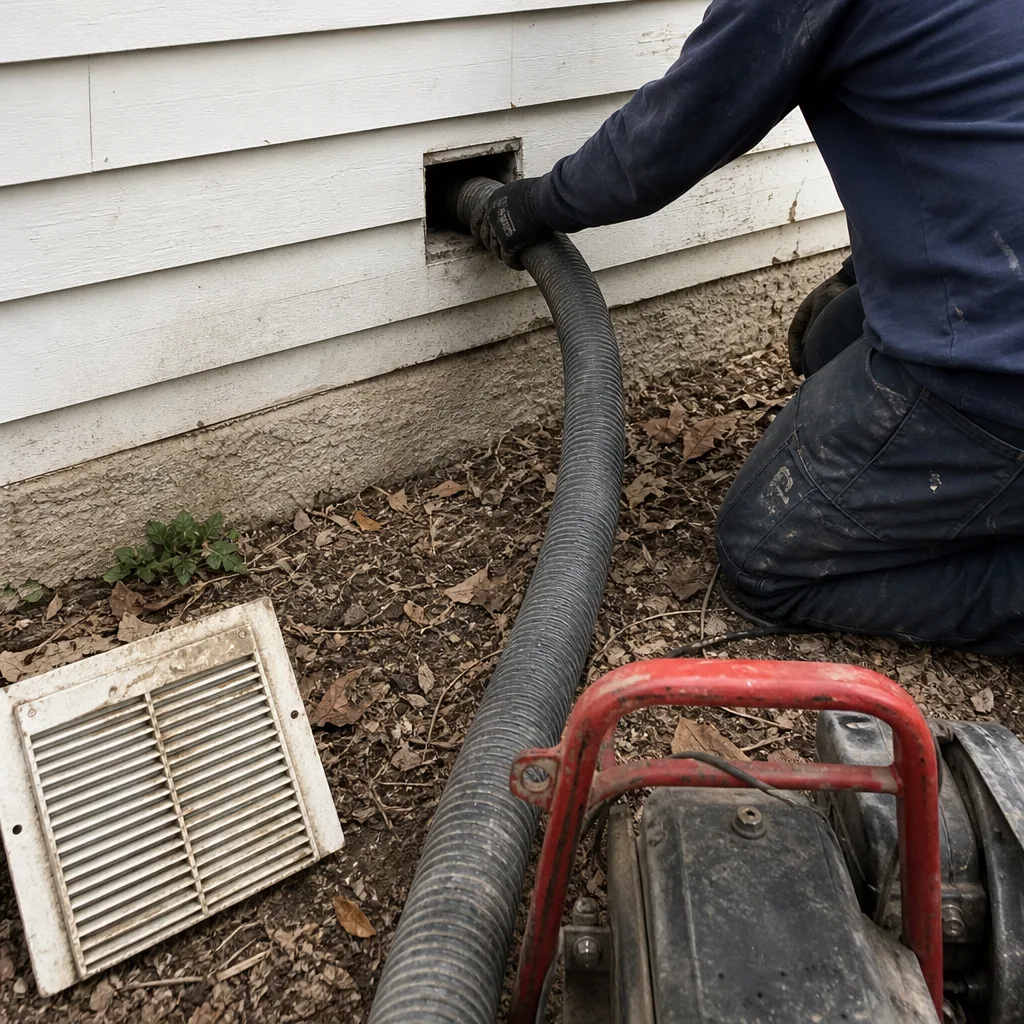 Before
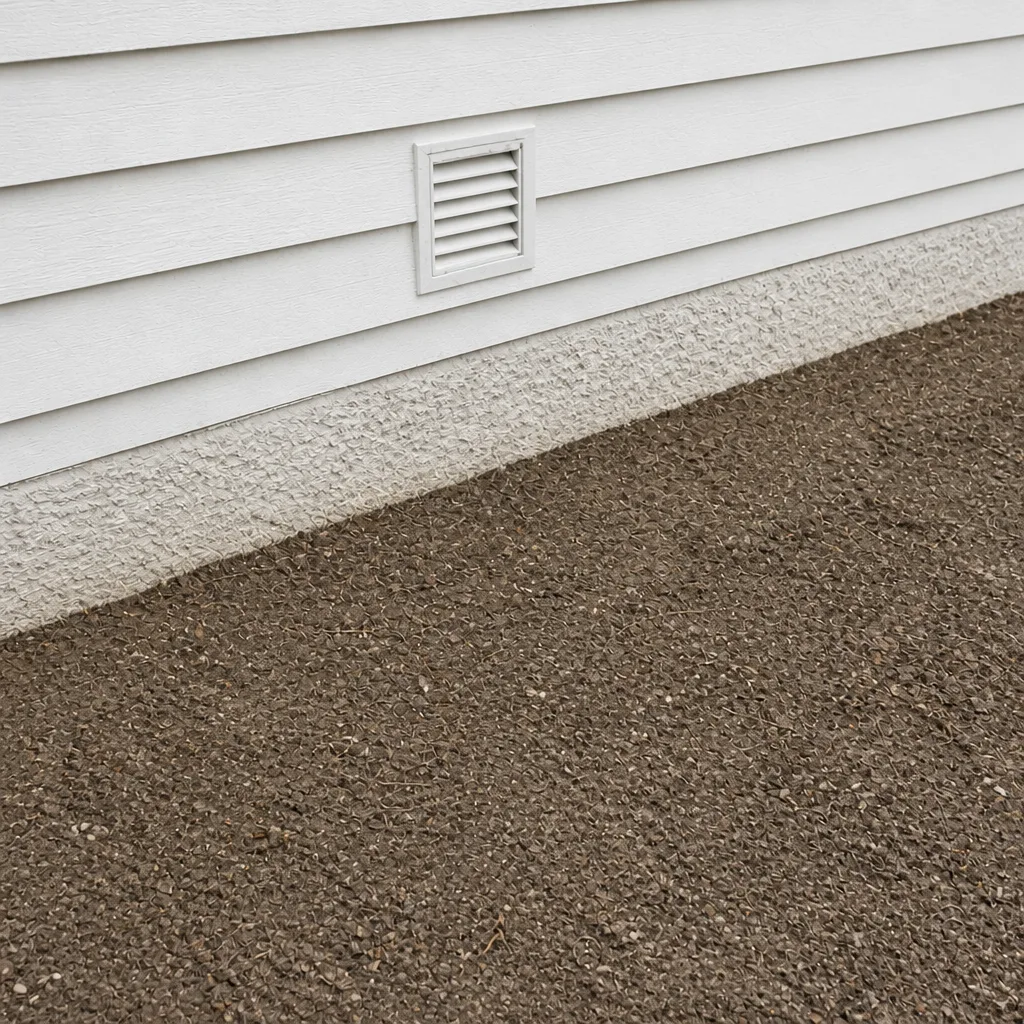 After
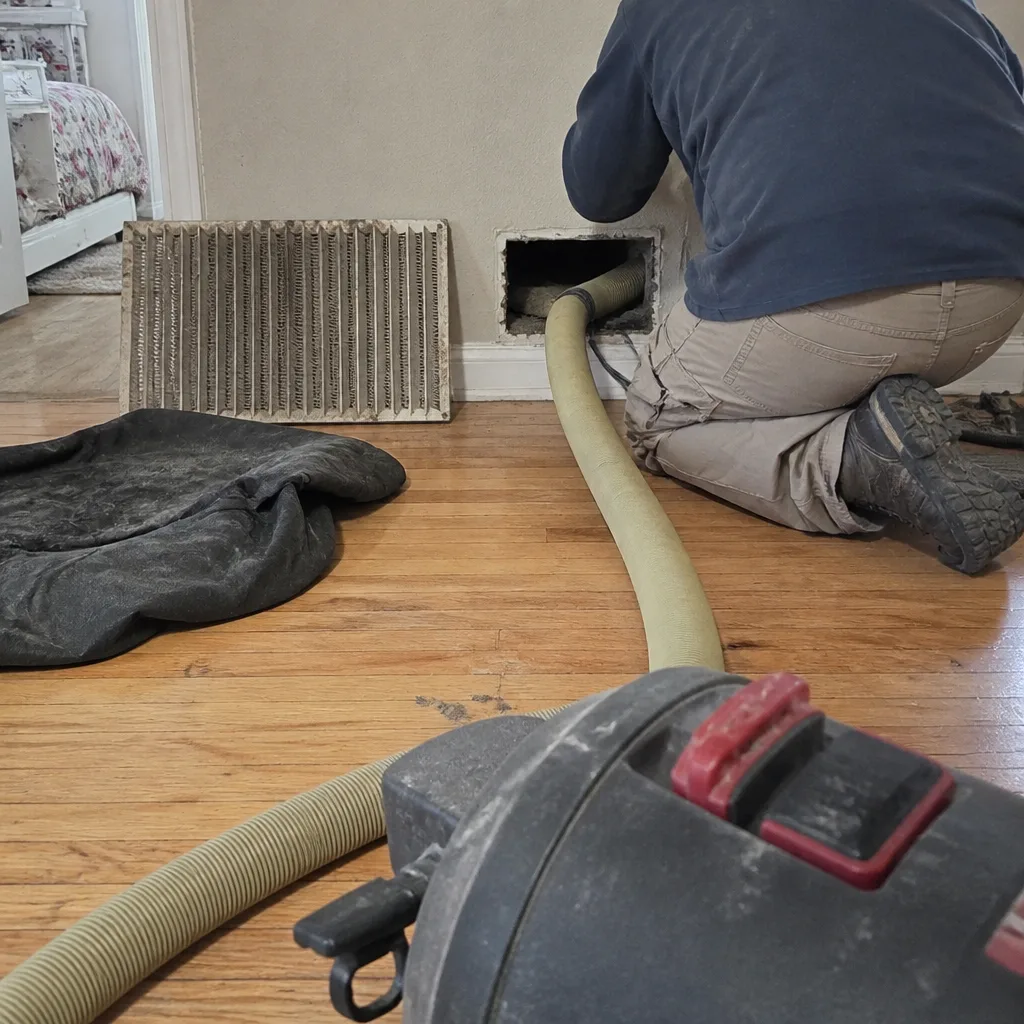 Before
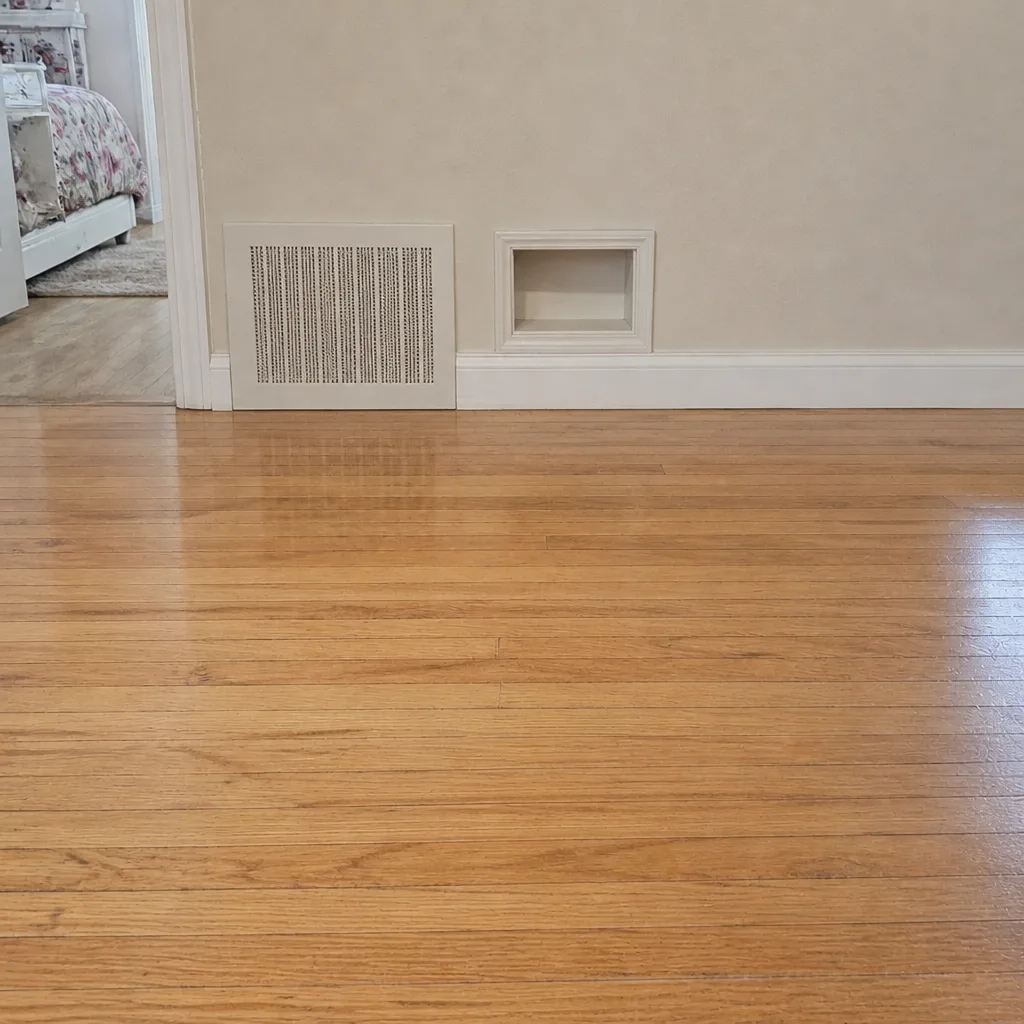 After
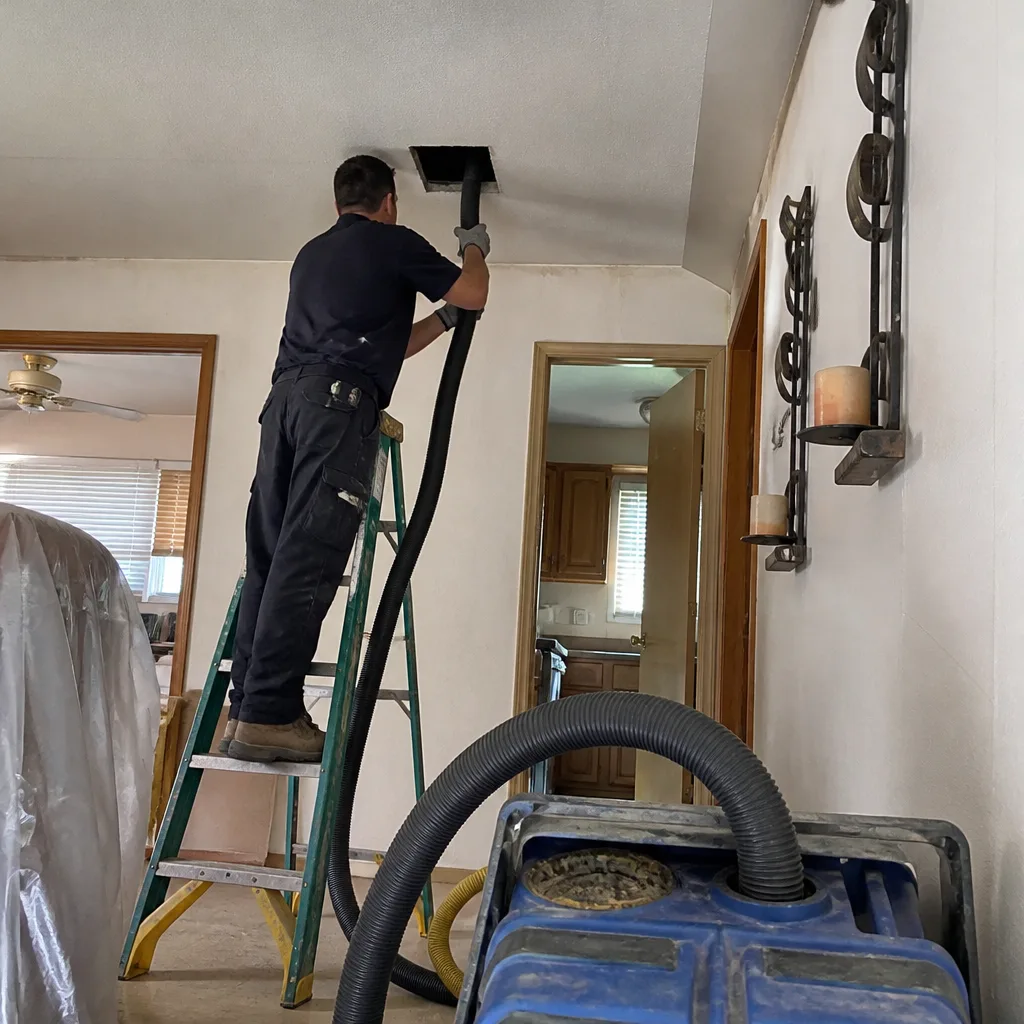 Before
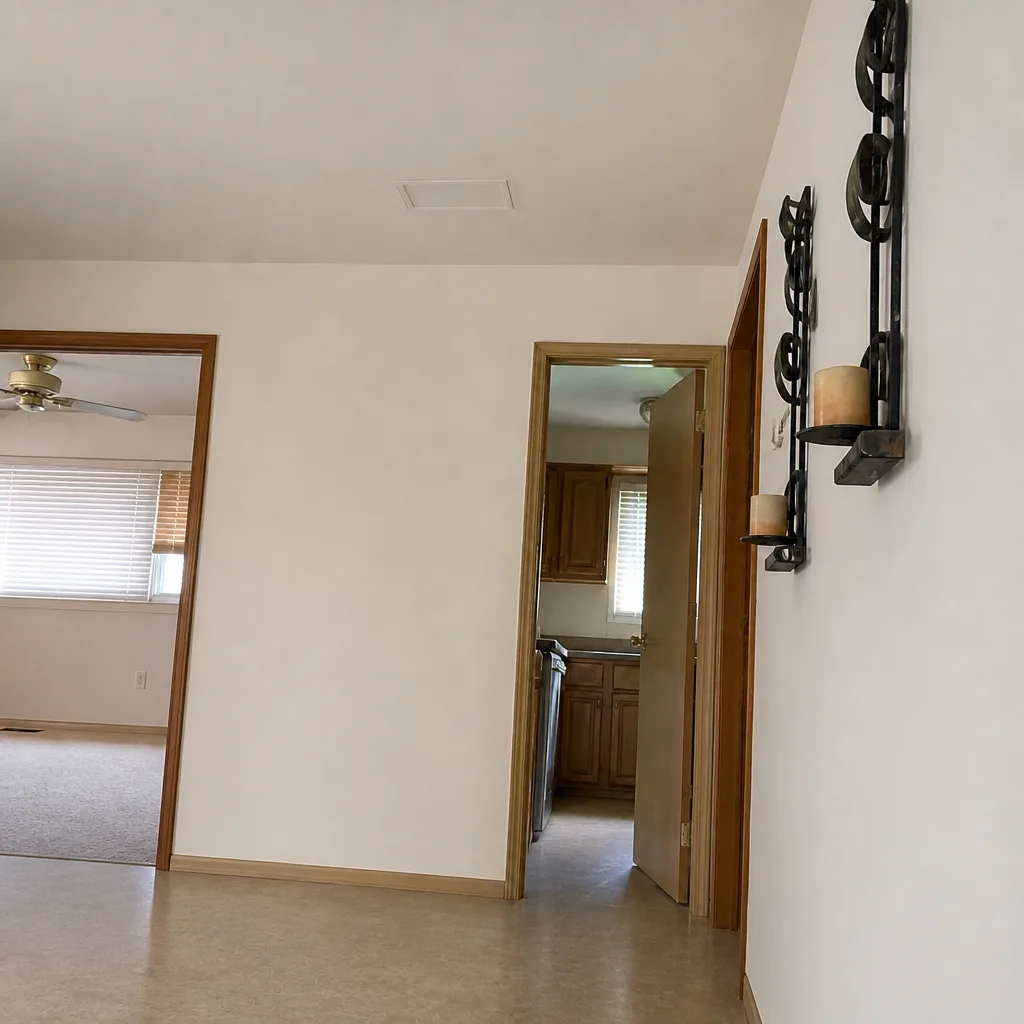 After
When to Call a Professional
Some duct problems are clearly a professional’s job. If you can hear a rattle or whistle from your ductwork when the system runs, a joint may have come loose. If dust reappears on surfaces within days of a cleaning, the system may have a leak that’s pulling particles back in from a crawlspace or attic. If your system has never been inspected, particularly if you have pets, allergies, young children, or recently renovated, a professional inspection will tell you whether a clean is actually needed. Visible condensation on ducts, fallen insulation inside a run, or a dryer that’s taking much longer to dry a load are all reasons to call. Nampa Duct Cleaning offers free estimates in Nampa. Call (833) 842-1697. We answer 24/7, and dispatch runs 7am to 7pm, Sunday through Friday.
Frequently Asked Questions
Air duct cleaning in Nampa is priced per system rather than per vent, and the written estimate sets the final price. Whole-system pricing depends on the number of air handlers, the state of the ductwork, and whether repair work is involved. A provider who quotes per-vent pricing is usually a warning sign. Call (833) 842-1697 for an exact quote. Estimates are free.
Cheap quotes tend to reflect cheaper equipment and a shorter process. A provider running a light-duty portable vacuum and no contact cleaning can quote far less than one running rotary brush systems and HEPA-rated extraction, but the results aren’t comparable. Look past the number to what’s included. Call (833) 842-1697 for a quote that spells out what the job covers.
Before-and-after photos of your own ducts are the simplest verification. A professional job should include a documented inspection and photographic evidence, and the technician should be able to explain what the camera found in the main trunk and run-outs. If a provider won’t show you their work, ask why. Call (833) 842-1697 to book an estimate.
Most homes don’t need duct cleaning on a fixed schedule. The honest answer is that it depends on the home: pets, allergies, recent renovation, heavy pollen load, and filter maintenance all shift the interval. An inspection will tell you whether a cleaning is due rather than guessing from a calendar. Call (833) 842-1697 to arrange an inspection.
No. NADCA certification confirms that a company follows a recognized cleaning methodology, not that it owns rotary contact cleaning systems or HEPA-rated extraction. Those are separate questions, and you should ask them separately. Call (833) 842-1697 to talk through equipment and process.
We repair ductwork. Duct repair is a named service alongside cleaning and dryer vent work, covering gaps, collapsed sections, disconnected runs, and crushed flex. When the inspection finds a problem, we fix it rather than documenting it for someone else. Call (833) 842-1697 for an estimate.
The Bottom Line
The brand on the truck is a weak signal. The equipment, the process, and the repair capability behind the job are what actually determine results. Verify HEPA-rated extraction and rotary contact cleaning. Ask about the NADCA process but treat it as a floor rather than a guarantee. Read reviews for process detail, not just politeness, and read complaints for patterns. Choose a duct specialist over a generalist if you want the inspection to lead somewhere useful when a problem turns up. And never accept a per-vent price or a coupon headline as a quote. A written estimate, agreed in advance, is the only number that matters. Call (833) 842-1697. We answer 24/7. Fast dispatch from 7am to 7pm, Sunday through Friday.
Written by the team at Nampa Duct Cleaning.