
Last updated November 15, 2026
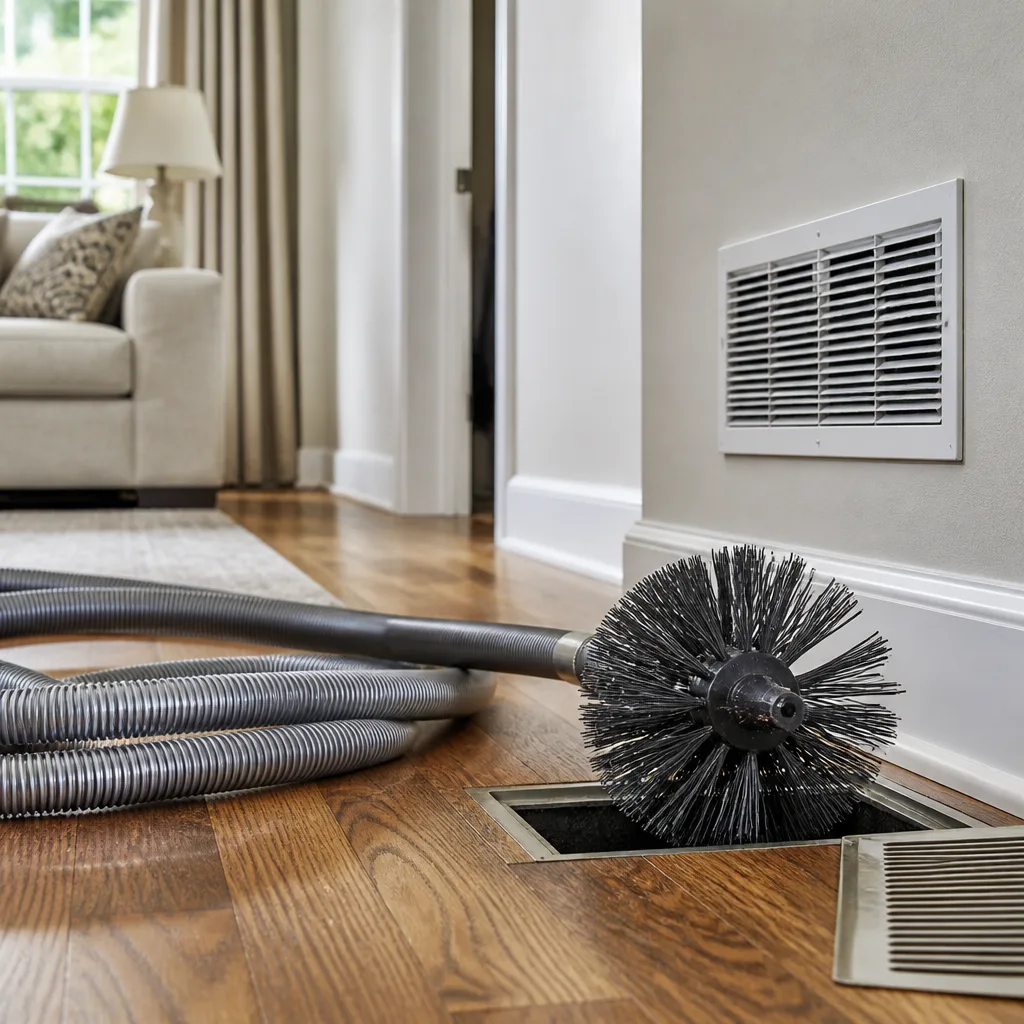 Whole-home duct cleaning
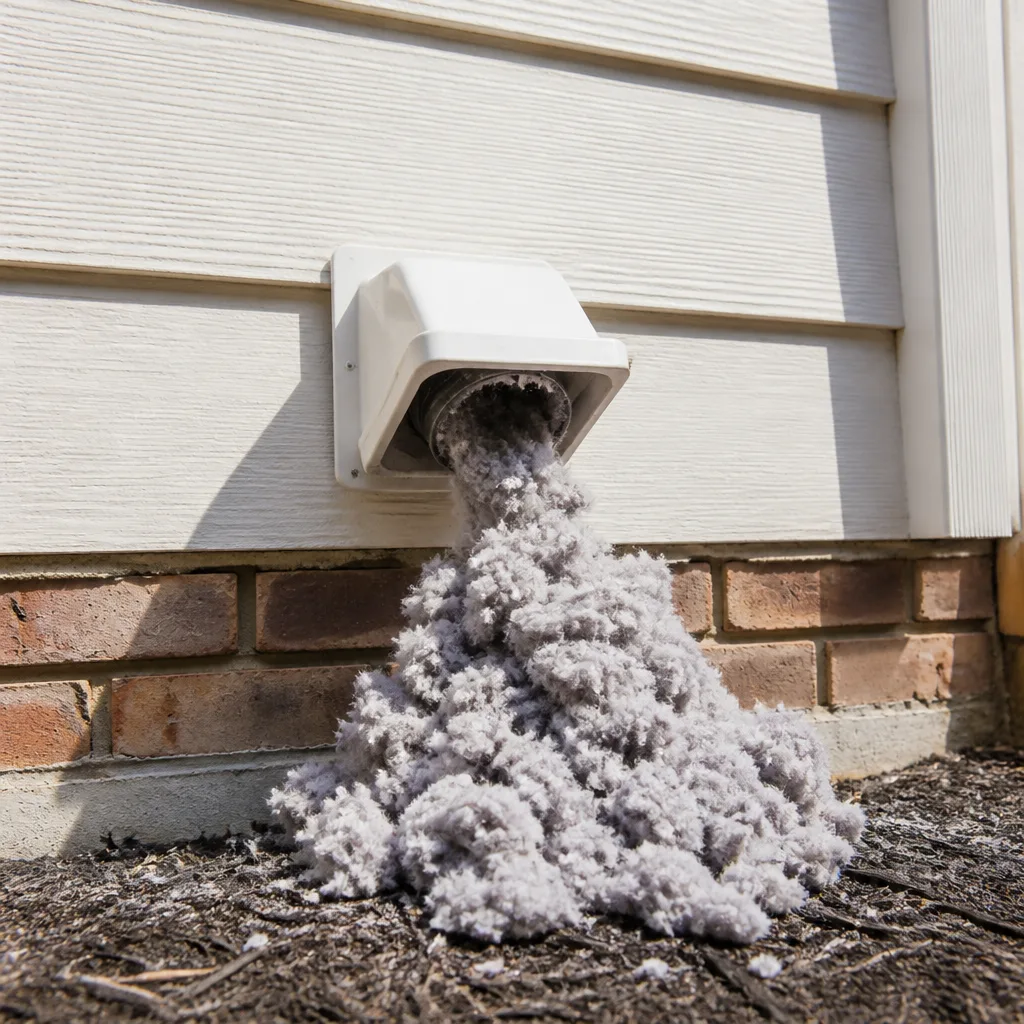 Dryer vent cleaning
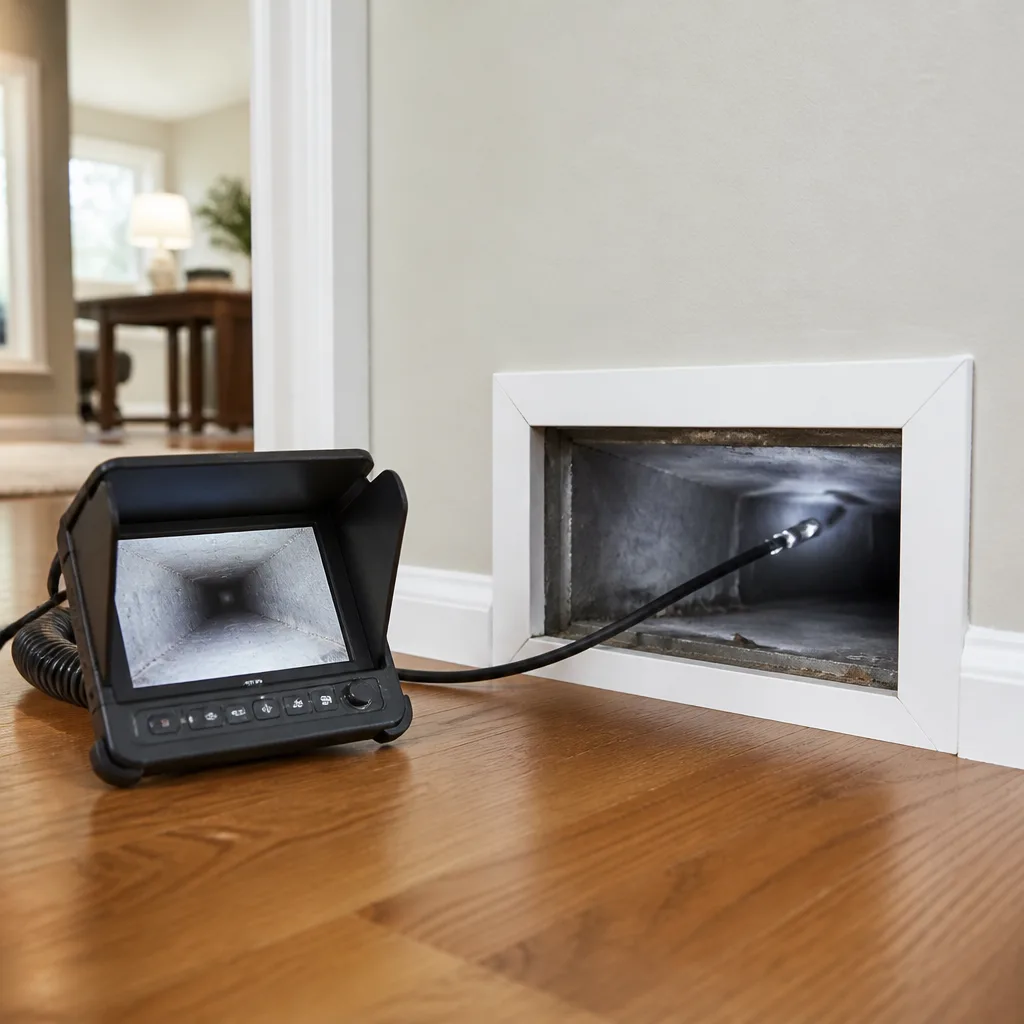 Camera inspection
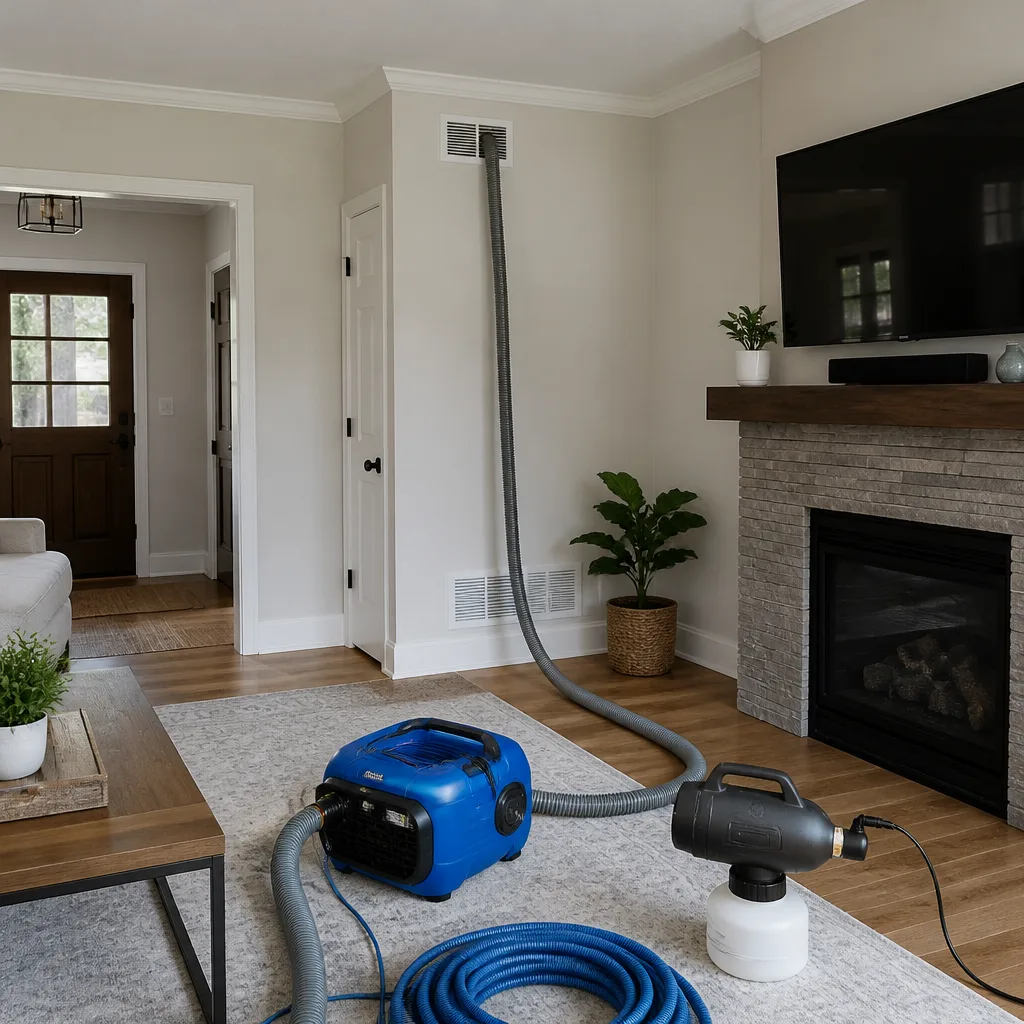 Sanitizing & deodorizing
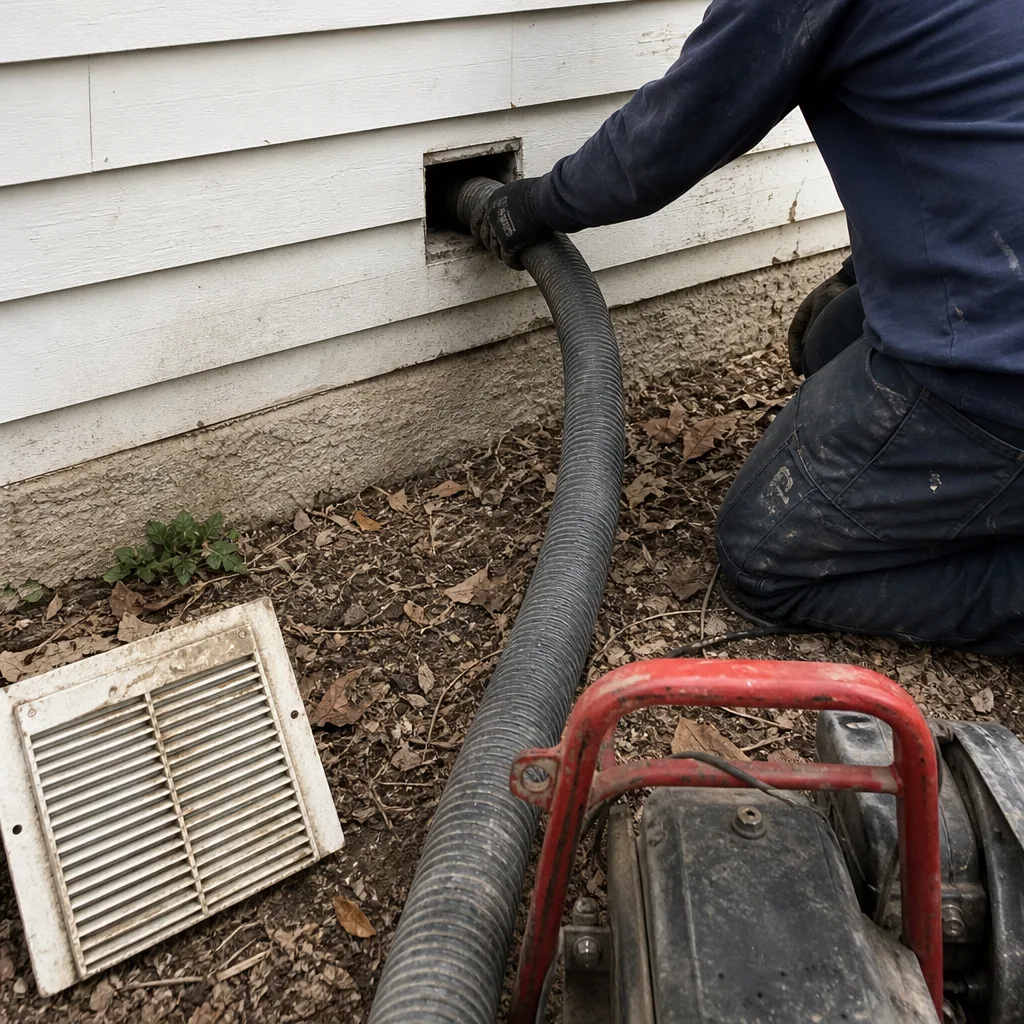
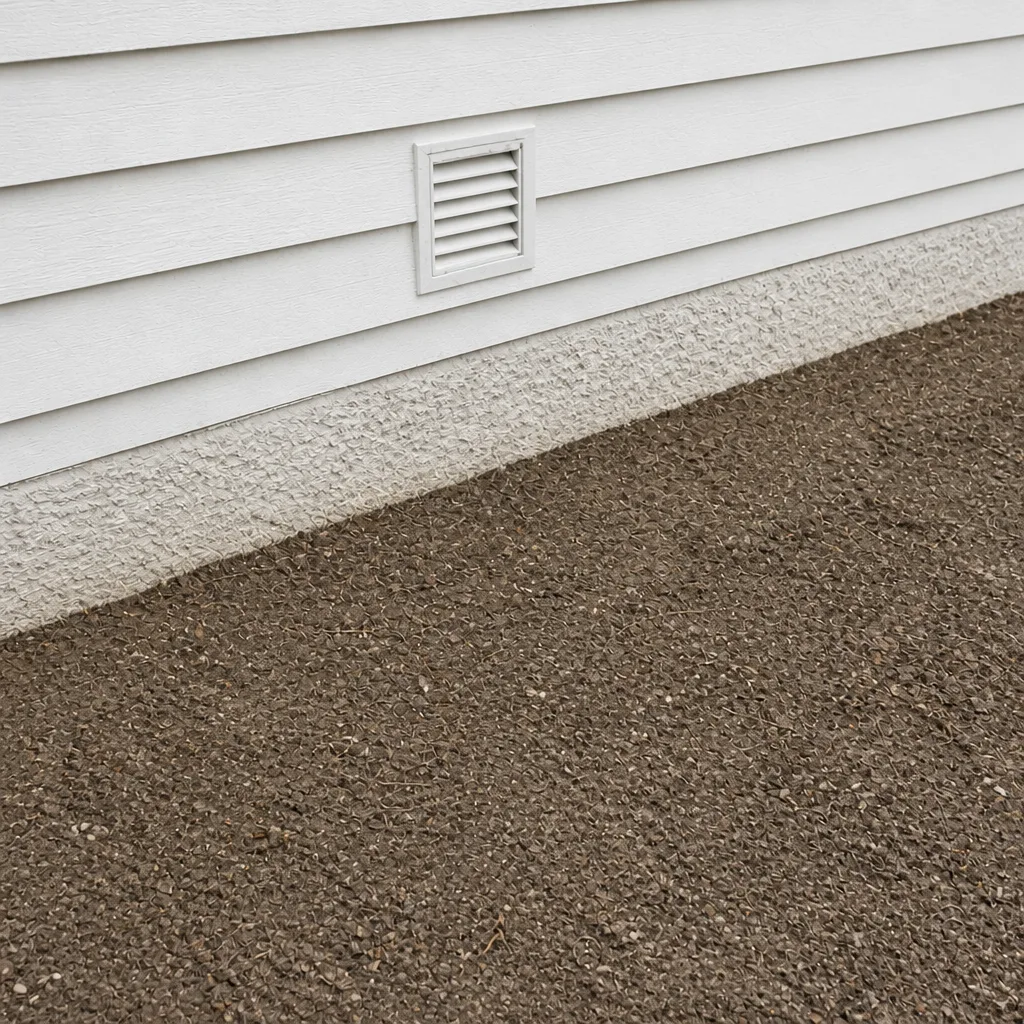
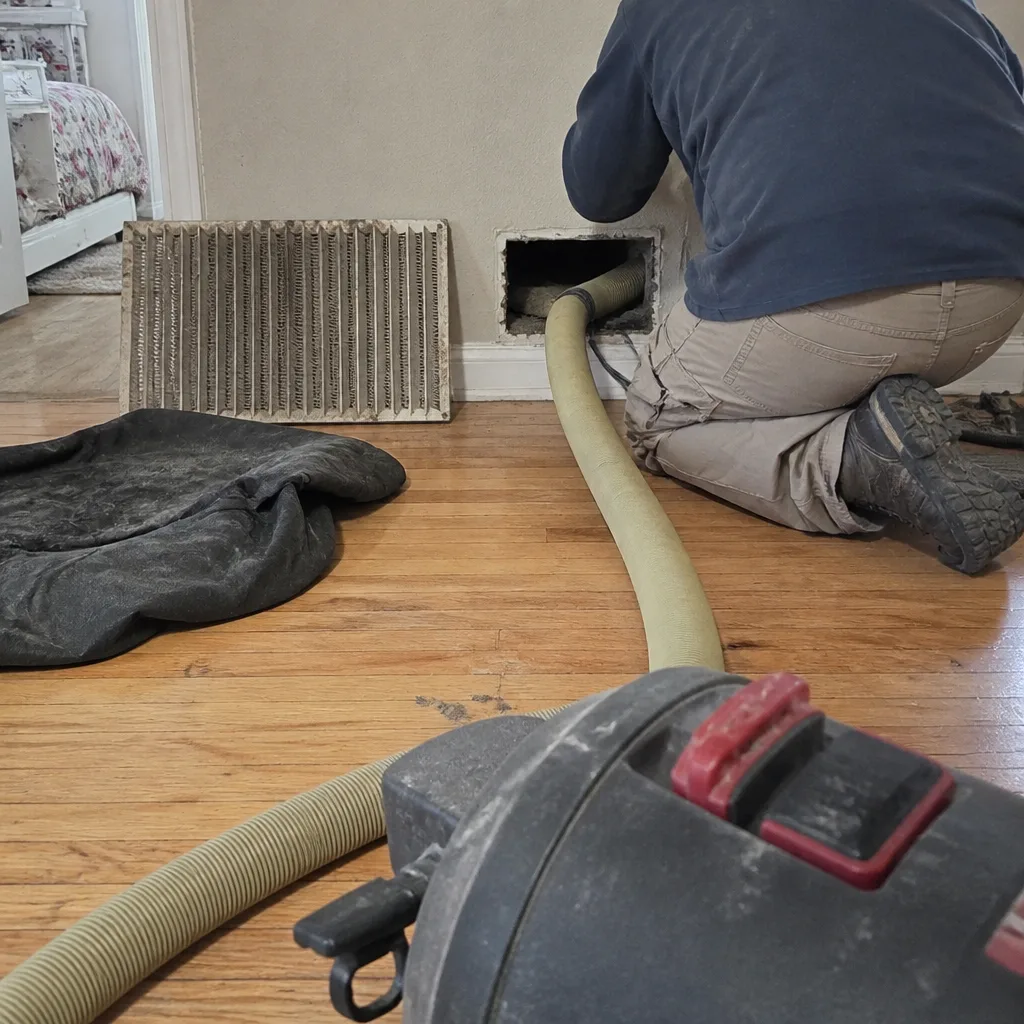
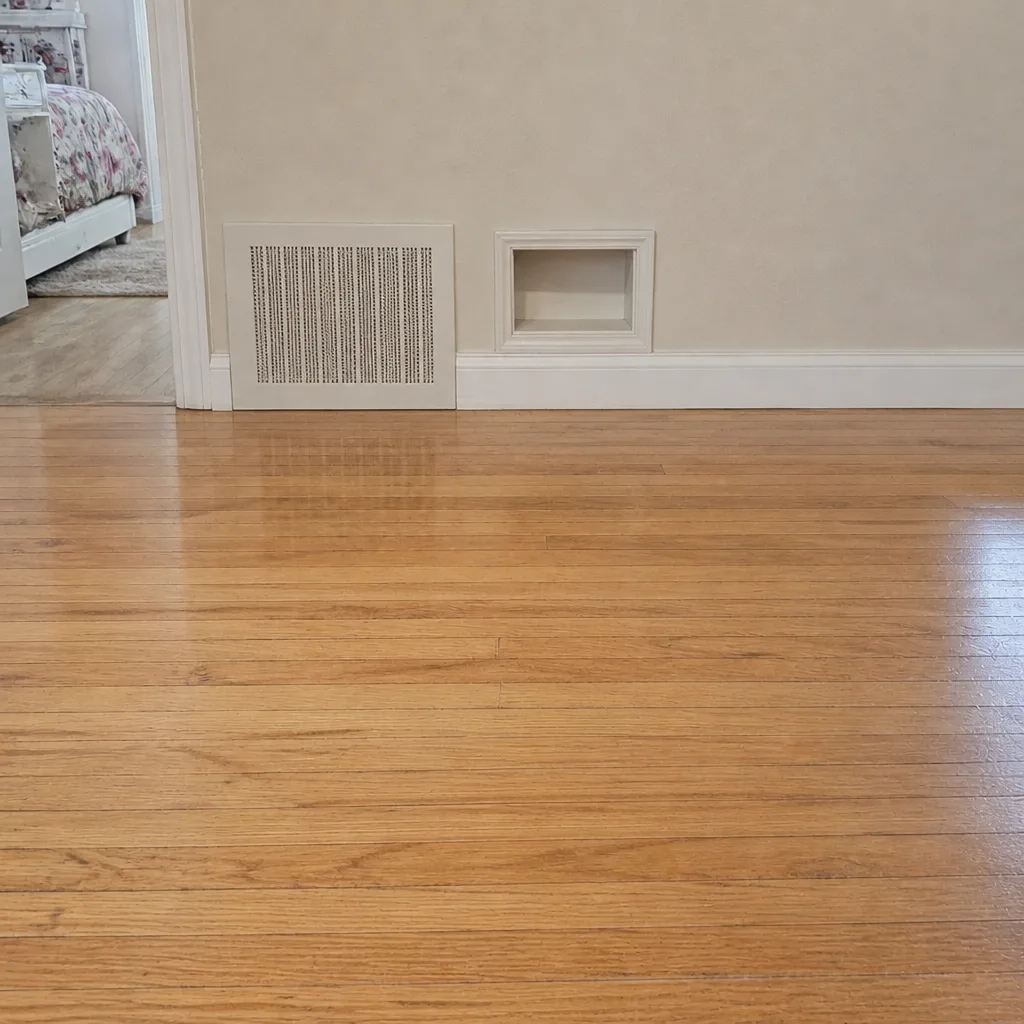
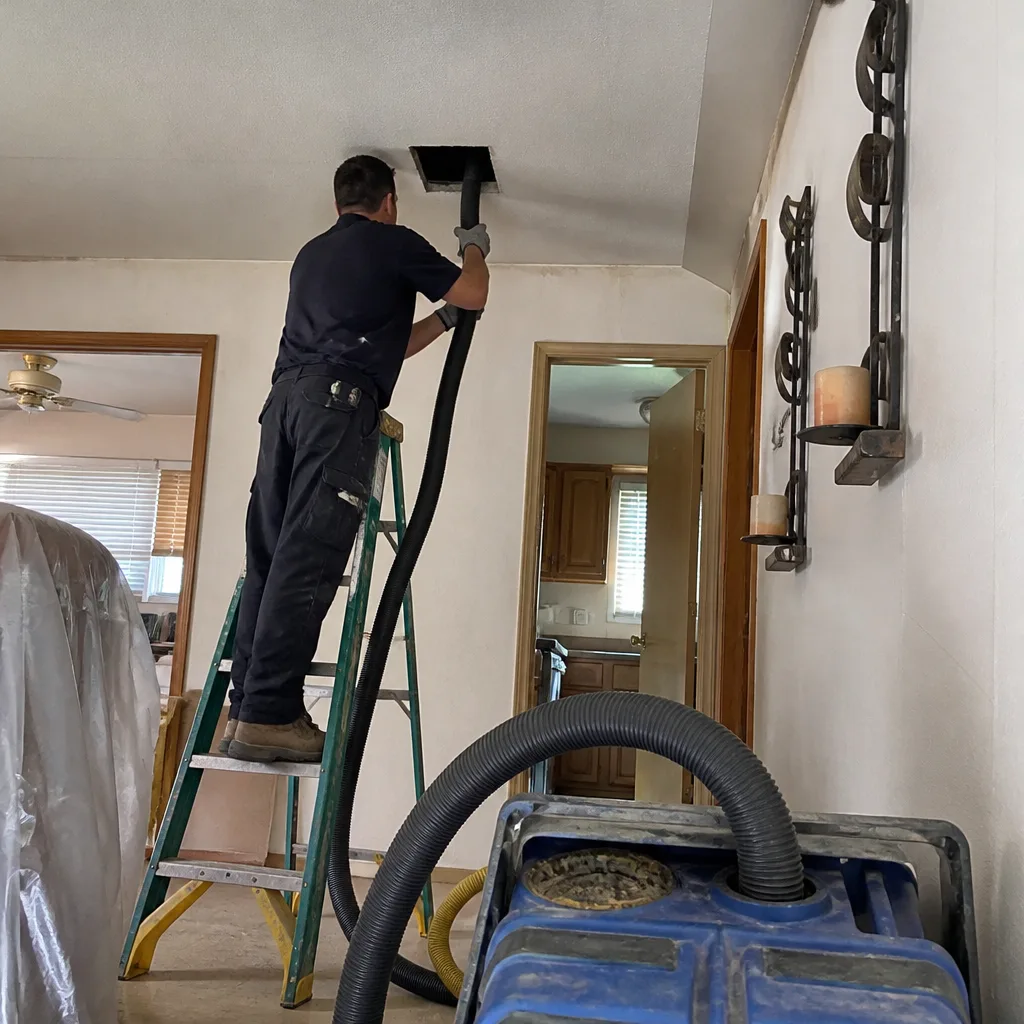
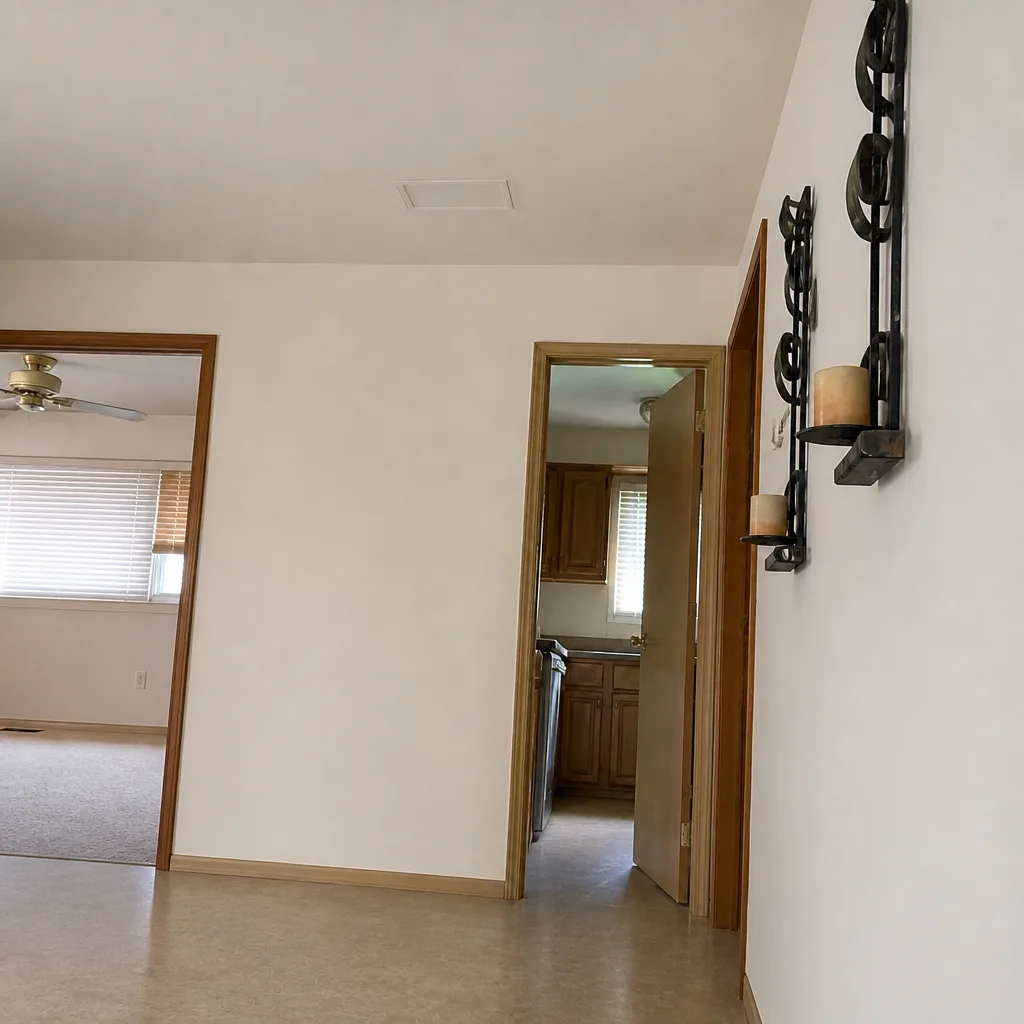
Whole-system duct and dryer vent check with before-and-after photos - you see exactly what came out of your vents
That "$99 whole-house special" is a bait ad - the real number appears once they are in your hallway, or the "clean" is a shop-vac at the register. We photograph the inside of your ducts before and after instead.
Air Duct Cleaning Emergency Preparedness Guide for Nampa Homes
Most homeowners think of duct cleaning as something you get to when the house feels dusty. In Nampa, the more useful question is what happens after a smoke event. When Treasure Valley fills with wildfire smoke for days, your HVAC system keeps running, and it keeps pulling that particulate through the return side and depositing it on surfaces you never see. The air clears. The ducts don’t. This guide walks through the full sequence: what to do during active smoke or a dust storm, what to check after it passes, when filter maintenance is enough and when the system needs mechanical cleaning, and what ductwork upgrades actually make a Nampa home more resilient to the next event.
Quick Answer
After a wildfire smoke or dust event in Nampa, run your HVAC on recirculation (fan ON, fresh-air intake closed if you have one) during the event, use a higher-MERV filter that your system can handle, then inspect the filter, the return grille, and the first heating or cooling cycle afterward. If the ducts smell smoky or the filter loads up fast, the system likely needs professional mechanical cleaning – smoke particulate bonds to duct liner and doesn’t clear with airflow alone.
Table of Contents
- What to Do During a Smoke or Dust Event
- Why Smoke Particulate Is Different From Household Dust
- Post-Event Assessment: The Steps Before You Run Normal HVAC Again
- When to Call for Cleaning vs. When Filter Maintenance Is Enough
- Ductwork Modifications That Make a Nampa Home More Resilient
- Filtration Strategy for This Climate
- Wind-Driven Dust Events: A Different Set of Problems
- The Other Airflow Hazard in Your Home
What to Do During a Smoke or Dust Event
The first decision during an active smoke event is whether to run your HVAC at all, and the second is which mode. The answer depends on your system configuration and whether it has any outside-air intake. Most Nampa homes run a standard split system with a return duct and no dedicated fresh-air intake, which makes the decision simpler: keep the system running on recirculation with the fan set to ON, not AUTO.
Why ON and not AUTO? In AUTO mode, the blower only runs when the system calls for heating or cooling. When it stops, air movement stops, and the indoor air sits. Running the fan continuously keeps air moving through your filter, which is the only removal mechanism your system has during a smoke event. The caveat: if your system has a fresh-air intake or an economizer, close it. Pulling outdoor air into the system during a smoke event does the opposite of what you want.
Here’s the sequence we recommend:
- Set the thermostat fan switch to ON so the blower runs continuously.
- Close any outside-air damper or fresh-air intake on the system.
- Upgrade the filter if you have a higher-MERV filter that your system can handle (more on this below).
- Keep windows and exterior doors closed.
- Check the filter every few days during an extended event; smoke loads a filter much faster than normal household dust.
If the smoke is thick enough that you can smell it indoors with the system running, shutting the system down entirely is sometimes the better call. That’s especially true in older homes where the return ducts or filter rack don’t seal well. A system that pulls unfiltered smoke through a leaky return is adding contamination to the ducts rather than removing it.
Why Smoke Particulate Is Different From Household Dust
Household dust is mostly large, dry, and loose. It sits on duct surfaces and can be moved by airflow alone. Wildfire smoke particulate is not like that. The fine fraction of smoke is small enough to stay airborne for a long time, and when it deposits on a surface, it does so with a slightly sticky quality from the combustion byproducts it carries. It bonds, in other words, rather than settles.
That difference is the reason a system that was never badly dusty can smell like smoke weeks after the air clears. The particulate has attached to the duct liner – the interior surface of the ductwork, which on insulated flex duct is a fibrous material that holds onto fine particles. Airflow alone won’t scrub it off. The only thing that removes bonded particulate is mechanical agitation: a brush physically contacting the duct wall and a vacuum capturing what the brush loosens.
This is where the equipment matters, and it’s why we’re specific about it. We use Rotobrush rotary-brush-and-vacuum systems that physically scrub the duct interior, and Abatement Technologies HEPA containment and negative-air equipment to control what’s disturbed during the job. A shop vacuum, or a truck-mounted unit that only blows air through the ducts, removes the loose fraction and leaves the bonded fraction right where it was. The smoky smell returns the first time the system heats up.
Rotobrush contact cleaning physically scrubs duct walls; air-only methods cannot match that. When the contamination is bonded smoke residue rather than loose dust, the mechanical contact is the whole job.
Post-Event Assessment: The Steps Before You Run Normal HVAC Again
Once the smoke clears and you’re ready to return to normal HVAC operation, there’s a short assessment sequence that tells you whether your system came through clean or needs attention. Do this before you settle back into your normal thermostat schedule.
- Inspect the filter. Pull the filter and hold it up to a light. If smoke events were heavy and the filter is dark gray or matte instead of translucent, it absorbed a lot – and so did the system behind it. A filter that loaded unusually fast is a signal that the return side pulled more particulate than usual.
- Check the return grille. Remove the return grille and look at the first foot or two of the return duct with a flashlight. Visible soot or a gray film on the duct wall means particulate got past the filter. Light dust is normal. A dark film is not.
- Do the odor test on the first heat cycle. When the system first runs heat after an event, pay attention. A faint smell that fades in a few minutes is typical. A smoky or acrid smell that persists through the cycle, or that returns on every subsequent cycle, means residue is sitting on duct liner surfaces and the heat is driving it off.
- Note any change in allergy or respiratory symptoms indoors after the event, especially in bedrooms where return grilles are often close to the floor.
- Check the supply registers for streaking. Dark streaks around the edges of supply registers suggest particulate was pushed through the system with enough force to deposit at the register faces.
If steps one through five all look normal, you’re likely fine with increased filter maintenance for the next month or two. If two or more raise a flag, that’s the point at which an inspection makes sense.
When to Call for Cleaning vs. When Filter Maintenance Is Enough
Not every smoke event requires professional duct cleaning. Here’s the honest breakdown, because pushing everyone toward a service call after every smoke day is not useful advice.
Filter maintenance is likely enough if:
- The filter darkened but the return duct interior looks light gray, not sooty.
- No persistent smell on heat or cool cycles.
- No visible streaking at supply registers.
- The system is relatively new or the ducts were cleaned recently.
- The event was short (a day or two) and the system wasn’t running continuously.
Professional cleaning is worth it if:
- You smell smoke on the first heat cycle and it returns on subsequent cycles.
- The return duct interior shows a dark film or visible deposits.
- Filters load unusually fast in the weeks after the event.
- Household members with allergies or asthma report worse symptoms indoors after the smoke clears.
- There’s visible soot or debris in supply register faces.
- The house has flex duct with fibrous liner, which holds bonded particulate more than smooth metal ductwork.
If you’re not sure which category you’re in, the standard recommendation is an air duct cleaning inspection with before-and-after photos so you can see the actual condition of your ductwork rather than guessing from the filter. That’s a free estimate, and it’s a better use of an afternoon than running the system for another month and hoping the smell fades.
Ductwork Modifications That Make a Nampa Home More Resilient
A wildfire smoke event is a stress test for your duct system’s weak points. If the return side leaks, smoke finds the leak. If the filter rack doesn’t seal, smoke bypasses the filter. If the supply runs are disconnected or crushed, you get uneven distribution on top of contamination. The good news is that these are fixable, and fixing them makes the next event less of a problem.
Filter rack sealing. The filter sits in a frame or rack, and on a lot of homes that rack is not sealed to the return plenum. Air and particulate bypass the filter through the gaps. Sealing the rack so air has to go through the filter is one of the highest-value fixes for smoke resilience.
Return duct sealing. Returns run through unconditioned space in many Nampa homes – attics, crawlspaces, garages. A leak there doesn’t just pull conditioned air out; during a smoke event it pulls smoke straight into the system, downstream of the filter in some configurations. Sealing returns with proper duct mastic (not cloth-backed tape) closes that pathway.
Return grille pre-filters for smoke events. A removable pre-filter or a piece of filter media taped over the return grille during a heavy event adds a second barrier before particulate reaches the ductwork. It’s a temporary measure, and it needs monitoring – a clogged pre-filter chokes airflow – but it’s cheap insurance on a bad smoke day.
Duct repair where needed. If the event inspection reveals collapsed flex duct, disconnected runs, or torn liner, cleaning alone won’t solve it. Duct repair is part of what we do – if we find a gap, collapse, or disconnected run, we fix it. That’s the difference between a cleaning that solves the problem and one that buys you a few months.
We stock and service Honeywell and Aprilaire air-quality products, so if the inspection points toward better filtration, humidity control, or a whole-home air cleaner, that can happen in the same visit rather than as a separate project down the road.
Filtration Strategy for This Climate
The filtration conversation in Nampa needs to account for two things most general HVAC advice ignores: smoke events that push fine particulate through the system, and a dry climate that generates a lot of fine dust on its own. The right filter strategy handles both without choking the system.
MERV-13 as a baseline. A MERV-13 filter captures the fine smoke and dust fraction that a basic MERV-8 lets through, and for most modern residential systems it’s within the airflow range the blower can handle. The catch is that every system is different. An older system with a restrictive return or a small filter grille may not tolerate MERV-13 without a pressure drop that reduces airflow and strains the blower. Check the filter slot dimensions and the furnace manufacturer’s stated maximum, and if the slot is undersized for a high-MERV filter, a filter grille upgrade is the better fix than forcing a thick filter into a thin slot.
Filter depth matters as much as MERV rating. A 4-inch or 5-inch filter has more surface area than a 1-inch filter of the same MERV, which means lower pressure drop and longer service life. If you’re running MERV-13, a deeper filter is the version that doesn’t choke the system.
Change frequency during smoke season. In a normal year, a filter change at the manufacturer’s recommended interval is fine. During a heavy smoke event, check the filter every few days. The cost of an extra filter during event season is small compared to the cost of pulling bonded particulate into the ductwork behind it.
If you’re not sure what your system can handle, our technicians have up to 13 years of experience matching filtration to system capacity. A quick inspection tells you whether MERV-13 is a straightforward upgrade or whether you need a filter grille change first.
Wind-Driven Dust Events: A Different Set of Problems
Wildfire smoke gets most of the attention in the Treasure Valley, but wind-driven dust events are a separate hazard. During a strong wind event in Nampa, the air carries fine soil particulate that behaves differently from smoke: it’s heavier, it deposits faster, and it tends to load filters and grilles with visible grit rather than bonding as thoroughly.
That makes the response simpler. Shut windows, run the system on recirculation with the fan ON if the filter is clean, and plan on a filter change once the event passes. If a dust event catches you with a load of dust deposited on the return grille face, vacuum or wipe the grille before it gets pulled into the system. The bonded-smoke problem isn’t usually the issue with dust; the issue is volume, and volume is manageable with filter maintenance.
The exception is a home with leaky return ductwork in an attic or crawlspace. During a dust event, a leaky return pulls outdoor grit directly in, and that grit settles in the ductwork rather than at the filter. If you notice grit accumulating in supply registers after wind events, that’s the return duct leaking, and it’s worth having checked.
The Other Airflow Hazard in Your Home
Air duct cleaning after a smoke event is about the HVAC system, but there’s a second exhaust pathway in the average Nampa home that deserves attention on a similar schedule: the dryer vent. Lint accumulation in a dryer vent restricts airflow, and a restricted vent is a documented fire hazard. The maintenance rhythm is different from HVAC duct cleaning – it’s about lint volume and vent run length rather than smoke events – but the principle is the same: the parts of the system you can’t see determine how well it works.
Dryer vent cleaning is a standalone service for us, not an add-on. If the vent run is long, has multiple elbows, or vents through a roof, the lint load builds faster than a short straight run. A proper cleaning uses a rotary brush and vacuum to remove the full lint column rather than just the visible accumulation behind the dryer. One call can cover the HVAC side, the dryer vent, and any ductwork repairs the inspection turns up – it’s all the same airflow discipline.
Common Mistakes to Avoid
- Running the system on AUTO during a smoke event. The blower stops when there’s no call for heat or cool, and the indoor air sits. ON keeps filtration active. It’s the single most common mistake we see in post-event inspections.
- Opening the windows thinking fresh air will help. During a smoke event, outside air is the source. Closed windows with recirculation on is the correct response.
- Assuming the smell will clear on its own. Bonded smoke residue on duct liner doesn’t fade with time. If the smell is still there after the first few cycles, the residue is still there too.
- Using a shop vacuum to clean ducts after an event. A shop vacuum agitates particulate without containing it, which pushes fine smoke residue into the living space. HEPA containment matters more after a smoke event than at any other time.
- Forcing a high-MERV filter into a slot that can’t handle it. The pressure drop reduces airflow, strains the blower, and can cause the coil to ice. Match the filter to the system, not to the label on the box.
- Skipping the return grille inspection. The return side is where most of the smoke enters and deposits. It’s the first place to look.
- Treating a duct cleaning as a substitute for duct repair. If the inspection finds a disconnected run or collapsed flex duct, cleaning won’t solve it. The repair has to happen, or the next smoke event puts the contamination right back where it was.
When to Call a Professional
The situations that warrant a call rather than a filter change are specific: persistent smoke smell on heat cycles after the air clears, visible soot or dark film in the return duct interior, filters loading unusually fast in the weeks after an event, visible grit in supply registers after a dust event, or allergy symptoms that got worse indoors once the outdoor air improved. If the return duct is in an attic or crawlspace and you’ve never looked at it, a post-event inspection is a reasonable way to find out what shape it’s in.
Nampa Duct Cleaning offers free estimates in Nampa – call (833) 842-1697. Estimates are free, the price is set per job by the written estimate before any work starts, and you get before-and-after photos of your own ducts. For the full scope of services, see Nampa Duct Cleaning, and for residential and light-commercial customers in the Nampa area, the same equipment and standard apply.
Frequently Asked Questions
No. A short smoke event with a clean filter and no smell afterward usually means filter maintenance is enough for the next few weeks. The signal for cleaning is persistent odor on heat cycles, visible soot or dark film in the return duct, or filters loading unusually fast after the event. Call (833) 842-1697 for an exact quote if you’re uncertain – estimates are free.
Because smoke particulate bonded to duct liner surfaces and didn’t leave with the airflow. Fine smoke particles carry combustion byproducts that make them stick to fibrous materials, and the only way to remove that bonded layer is mechanical contact – a brush contacting the duct wall with a vacuum capturing what it loosens. Air-only cleaning won’t do it.
Yes, on recirculation with the fan set to ON if your system has no outdoor-air intake; close any fresh-air intake if it does. Running the blower continuously keeps air moving through your filter, which is your only removal mechanism during the event. Shut the system down only if you can smell smoke indoors with it running and your return ductwork is visibly leaky.
MERV-13 is a reasonable baseline for most modern residential systems, but it depends on your filter slot size and the manufacturer’s stated maximum. A deeper filter (4 or 5 inches) handles MERV-13 with less pressure drop than a 1-inch filter. If the slot is undersized, upgrade the filter grille rather than forcing the filter.
Before-and-after photos of your own ductwork, taken through the same access point. That’s the standard for every job, and it’s the honest answer to a fair question – duct cleaning is an industry where a technician can claim the work without proof. We also use equipment brands you can verify: Rotobrush rotary brush systems and Abatement Technologies HEPA containment.
Yes. Duct cleaning, dryer vent cleaning, and duct repair are all services we offer, and an inspection can cover the full airflow picture in one trip rather than three separate contractor visits. Call (833) 842-1697. We answer 24/7. Fast dispatch from 7am to 7pm, Sunday through Friday.
The Bottom Line
The core takeaway for Nampa homeowners: wildfire smoke and dust events are a test of your duct system’s weak points, and the response is a sequence rather than a single action. Run recirculation with the fan ON during an event. Upgrade the filter to what your system can actually handle. After the event, check the filter, the return grille, and the first heat cycle. If any of the three raise a flag, get an inspection – bonded smoke residue on duct liner does not clear with time, and filter changes won’t remove it.
The resilience work – filter rack sealing, return duct sealing, a correct MERV-13 setup – is what makes the next event less of a project. Duct repair where the inspection finds damage is part of what we do, not a separate project to be deferred. And if you want a straightforward assessment of your own system rather than a generic recommendation, we’re a call away. Call (833) 842-1697. We answer 24/7. Fast dispatch from 7am to 7pm, Sunday through Friday.
Written by the team at Nampa Duct Cleaning.
Styles & brands we work with
- Whole-home duct cleaning
- Dryer vent cleaning
- Camera inspection
- Sanitizing & deodorizing
See the difference
 Before
 After
 Before
 After
 Before
 After