
Last updated November 15, 2026
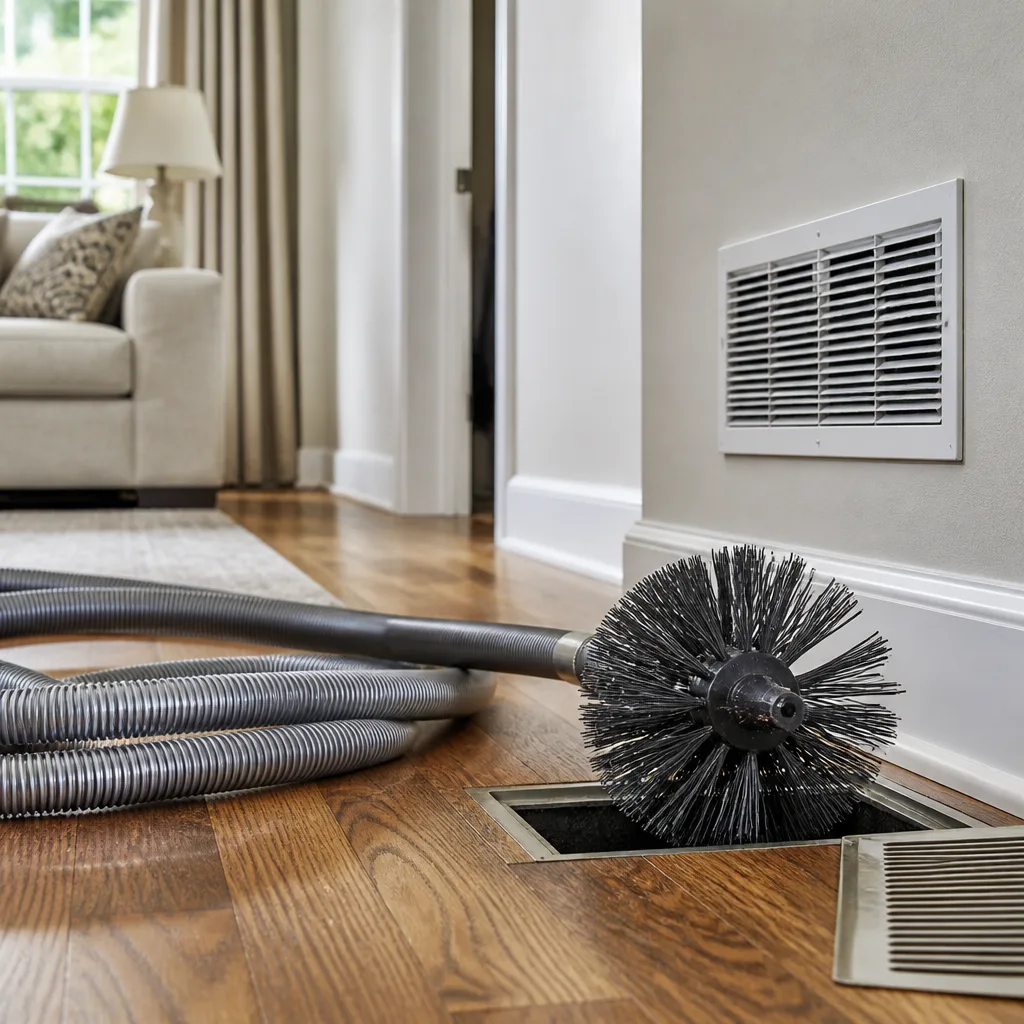 Whole-home duct cleaning
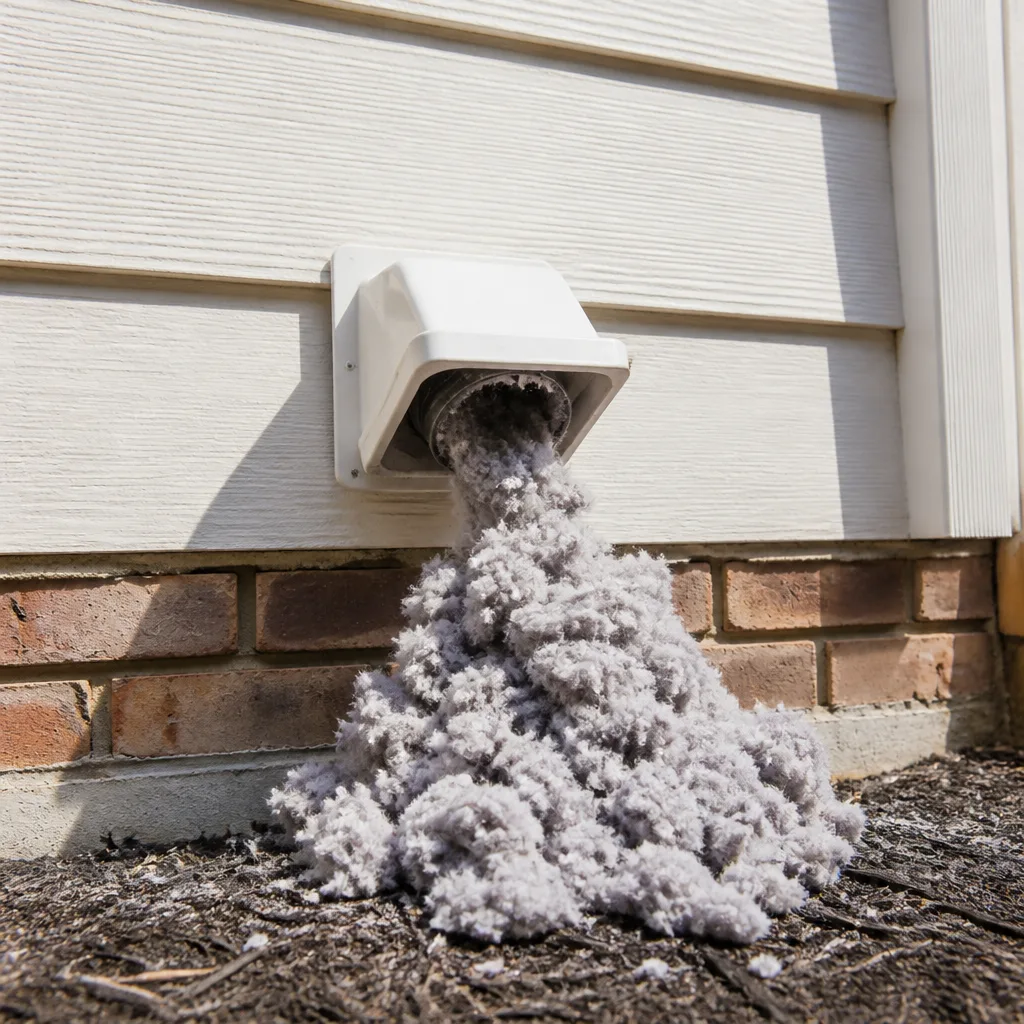 Dryer vent cleaning
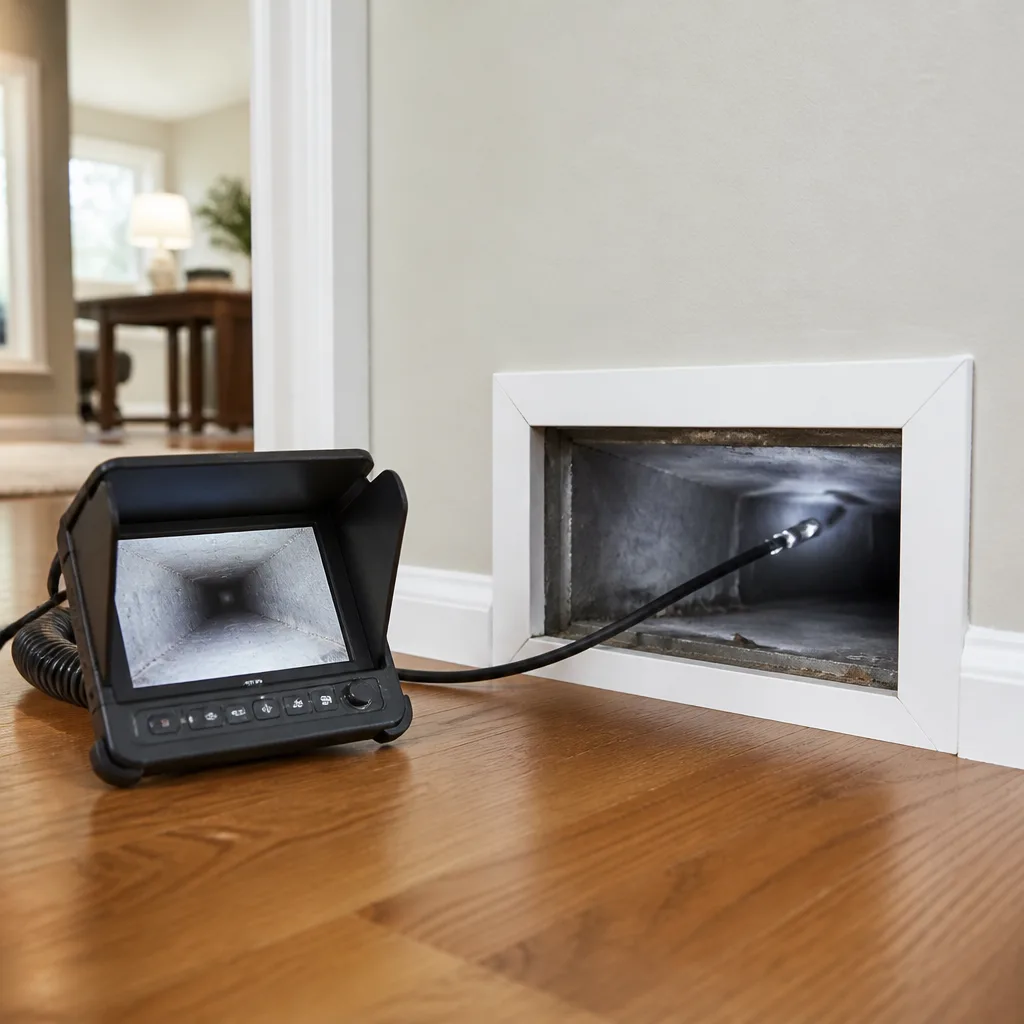 Camera inspection
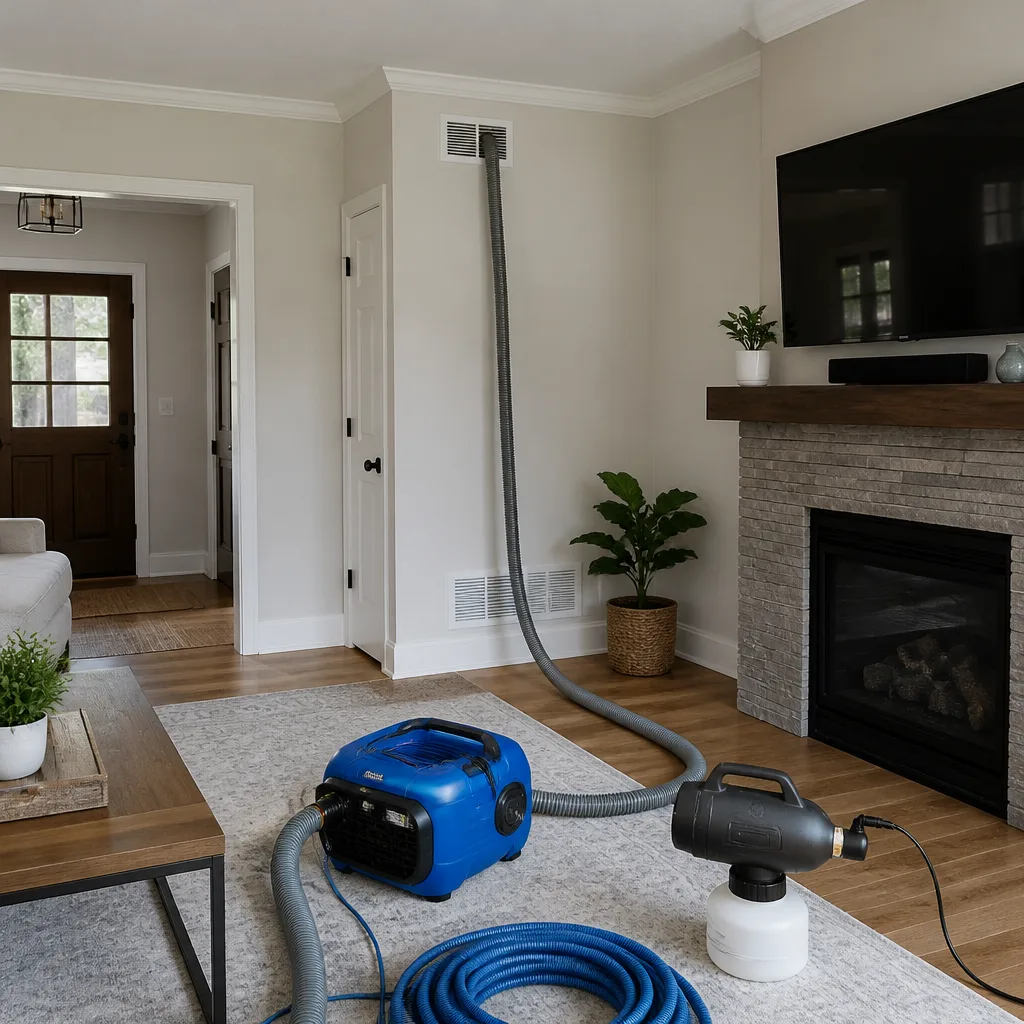 Sanitizing & deodorizing
Whole-system duct and dryer vent check with before-and-after photos - you see exactly what came out of your vents
That "$99 whole-house special" is a bait ad - the real number appears once they are in your hallway, or the "clean" is a shop-vac at the register. We photograph the inside of your ducts before and after instead.
DIY vs Professional Air Duct Cleaning: The Nampa Homeowner’s Decision Guide
A $60 dryer vent brush kit and a shop vac can genuinely clean a register boot and a few feet of duct. That’s not a sales line meant to talk you out of it – it’s just where the honest line sits. Most of a home’s dust, pet hair and construction debris settles in places and at depths that consumer tools physically cannot reach: trunk line interiors, plenum boxes, the seams where duct sections join. And partial cleaning is worse than no cleaning, because agitating debris without negative pressure containment can push it further into the system and back into your living space. This guide walks through exactly what you can do yourself in Nampa, where the wall is, and when calling a pro actually pays off.
Quick Answer
DIY air duct cleaning in Nampa is worth doing at the register level: pulling grilles, washing them, vacuuming the visible boot, and staying on top of filter changes. It cannot reach the trunk lines, plenum, or air handler cabinet, and it generates no negative pressure to trap what it loosens. Professional cleaning is the right call after renovation, after pest activity in the ducts, or when you see mold or notice odor that returns right after a new filter. Everything else sits in the gray zone in between, and this guide helps you sort it out.
Styles & brands we work with
- Whole-home duct cleaning
- Dryer vent cleaning
- Camera inspection
- Sanitizing & deodorizing
Table of Contents
- What DIY Duct Cleaning Can Actually Reach
- What Consumer Tools Cannot Reach
- Why Partial Cleaning Can Make Things Worse
- The Equipment Gap: CFM and Containment
- Three Scenarios Where Professional Cleaning Is Worth It
- What Legitimate DIY Maintenance Looks Like in Nampa
- What a Real Cost Conversation Looks Like
- Duct Repair: The Part Most Cleaners Skip
What DIY Duct Cleaning Can Actually Reach
The parts of your duct system a homeowner can reach are real, and they collect a real share of the dust. A register grille on a bedroom floor or a return grille in a hallway wall is a few screws away from being removable. Once it’s off, you’re looking at the register boot – the short transition fitting that connects the grille to the branch duct behind the drywall or subfloor. That boot is shallow, usually a foot or less, and a shop vac with a crevice tool will pull the loose dust and hair sitting in it.
Registers themselves are worth washing in a sink or outside with a hose. Grease film on kitchen registers and lint on return grilles are the two places homeowners see the most buildup, and both are handled entirely at the surface. This is genuine maintenance and it matters. In a high-desert climate like Nampa’s – dry summers, cold winters, and a heating season that runs long – the air handler moves a lot of air through those grilles, and surface dust accumulates faster than people expect.
What you can also do yourself:
- Remove and wash every supply and return grille at least twice a year, more often if you have pets.
- Vacuum the visible boot with a crevice tool, reaching as far as the tool will go without forcing it.
- Check and replace your filter on the schedule your filter’s rating calls for, not the schedule that feels convenient.
- Wipe down return grilles in hallways, which collect lint and pet hair at a rate that surprises most Nampa homeowners.
- Look into the boot with a flashlight after cleaning to confirm what you loosened actually came out.
That list is the entire honest scope of DIY. It’s register-level maintenance, and it’s the same starting point any technician begins from. The difference is what happens next.
What Consumer Tools Cannot Reach
Behind the boot, the system opens up in ways a shop vac has no way to address. Branch ducts run through wall cavities and floor systems. They connect to trunk lines, which are the larger ducts that distribute air from the furnace or air handler to every branch. Trunk lines feed from the plenum – the sheet-metal box sitting directly on top of or beside your air handler – and the air handler cabinet itself houses the blower and evaporator coil, both of which are notorious debris collectors.
None of those locations are reachable with a consumer tool. Not because they’re hidden, but because reaching them requires opening the system at specific points, inserting equipment through those openings, and pulling debris out through a controlled path. A shop vac hose through a register opening does none of that.
The seam problem is separate and worth understanding. Duct systems are assembled from sections joined with seams, tape, mastic or mechanical fasteners. Over years, those seams can loosen, tape can fail, and sections can separate slightly. Dust concentrates at those failures. A brush or vacuum that enters the branch duct from the register can’t reach the seam line where the accumulation actually sits. It only moves what’s loose in the first foot or two.
In Nampa, the housing stock ranges from older homes with original sheet-metal ductwork to newer construction with flex duct runs. Both have the same accessibility limits from the register opening. Older sheet-metal systems often have more seam accumulation; newer flex systems often have sagging sections where dust settles in low spots. Either way, the register opening is not the access point that solves it.
Air duct cleaning in Nampa done properly uses positive mechanical agitation inside the duct combined with negative pressure to capture what’s loosened. That’s the part that consumer equipment cannot recreate, and it’s why we use rotary-brush systems from Rotobrush and HEPA-rated machines from Abatement Technologies – the same class of equipment used in professional remediation work. Not shop vacuums. Not compressed air. Actual contact cleaning with containment.
Why Partial Cleaning Can Make Things Worse
Here’s the part that doesn’t get said often enough: cleaning only the accessible sections can put contamination back into the air you breathe. When you brush or vacuum the register boot without negative pressure holding the duct system under containment, the fine particulate you dislodge doesn’t all come out through the vacuum. Some of it goes airborne inside the duct, and the next time the blower runs, that dust travels into rooms.
The mechanism is straightforward. Ducts are a closed loop with the blower creating pressure on both the supply and return sides. A register boot that’s been agitated but not captured leaves loose debris sitting in a pressurized pathway. When the system cycles, that debris moves. Fine particles that had been settled and relatively stable become airborne, and settled dust is far less of a concern than dust moving through the supply air.
There’s a second, less obvious problem. Consumer vacuuming of a boot can push debris backward into the branch duct, deeper than the register opening reaches. Now the dust is concentrated further from any access point, and a future professional cleaning has to work harder to get it. Doing nothing leaves the dust where it sits. Doing a shallow DIY clean can shift it into a worse location.
Professional cleaning avoids this because the whole system is under negative pressure during the work. Debris loosened by rotary brushes gets pulled toward the extraction point rather than drifting through the duct. That’s the containment principle, and it’s the reason surgical and remediation environments use the same approach.
This isn’t an argument against every DIY effort. Washing grilles and wiping boots is fine, because the material you’re removing is at the surface where you can contain it with your own vacuum. The risk sits specifically with agitating anything deeper than that, without knowing where the debris is going.
The Equipment Gap: Negative Pressure, Not Just Suction
A consumer shop vac generates a few hundred CFM at the nozzle, and only with a clear hose and no significant duct run between the tool and the debris. Truck-mounted extraction operates at a different scale entirely: negative pressure in the range of 3,000 to 4,000 CFM across the entire duct system, not just at a single opening. That figure matters because duct systems are large and pneumatic – the volume of air being moved determines whether the whole system is under containment or only the nozzle end of a hose.
Here’s what that translates to in the field:
- The technician creates a controlled opening at the air handler or plenum where the extraction hose connects.
- Every register is opened and sealed except the one being worked, so airflow is directed through that branch.
- A rotary brush is fed into the branch duct from the register opening, physically scrubbing the duct walls as it goes.
- The extraction unit pulls the loosened debris back through the system to the collection point, under continuous negative pressure.
- The plenum, air handler cabinet, and trunk lines are worked in sequence so no section is left unaddressed.
- Seams and joints are checked for failure while the system is open, and any repair needed is handled before the system is closed back up.
Air-only cleaning methods – the kind that use compressed air to “blow out” the ducts – cannot match what a rotary brush does, because blowing doesn’t scrape. It moves the loose material and leaves the adhered film on the duct wall. The brush is what breaks that film. That’s why we use Rotobrush contact cleaning rather than an air-only pass: brushing plus extraction is the combination that produces a real result.
In Nampa’s climate, the practical difference shows up in how much fine dust is held in suspension versus deposited on the walls. Dry interior air through a long heating season keeps fine dust mobile. A system that’s had a rotary-brush clean and been brought under negative pressure during the process removes both the deposited layer and the material that would otherwise keep recirculating. That’s the difference between a cleaning that lasts and one that seems to disappear within a couple of months.
Three Scenarios Where Professional Cleaning Is Worth It
We don’t argue that every house in Nampa needs professional duct cleaning right now. Some don’t. But there are three specific situations where the professional path is the clear answer, and they’re worth naming plainly.
1. Post-Renovation Debris
Drywall dust travels into return ducts faster than into any other part of a house. During a remodel, the return side is under negative pressure whenever the system runs, so airborne drywall dust, sawdust, and fiberglass fibers get drawn into the return ducts and settle. Renovation debris is heavy, abrasive, and it does not clear on its own with normal system operation. It settles into trunk lines and low spots and slowly recirculates. A home in Nampa that’s just had a bathroom or kitchen gutted is a strong candidate for a full cleaning, not a register-level pass.
2. Confirmed Rodent or Pest Activity in Duct Runs
Rodent activity in ductwork requires more than cleaning. Droppings, nesting material, and the contamination trail rodents leave behind need to come out under controlled conditions, and the entry point needs to be identified. That’s not a job for a shop vac and not a job for repeated filter changes. This is where containment-grade equipment matters most: HEPA-rated extraction with negative pressure and proper containment of the work area is the standard for contaminated duct systems. If you’ve found evidence of rodents or their nesting material in a duct run, get it handled properly rather than shop-vacuuming the visible boot and assuming the problem is solved.
3. Visible Mold or Persistent Odor After Filter Replacement
If you replace the filter and a musty odor returns within a week, that’s a signal pointing at the system rather than the filter. Visible mold growth on duct surfaces – typically near the evaporator coil from condensation – requires proper handling, not surface wiping. Air duct cleaning addresses the debris that feeds biological growth, and evaluation of the underlying moisture source is part of the work. Mold remediation is a separate scope that requires a specialist; what we handle is the cleaning and the conditions inside the ductwork that contribute to the problem. Persistent odor is often a sign of something the system can’t clear on its own, and diagnosing it is worth the professional visit.
Outside those three scenarios, the honest answer is: it depends on the system’s condition, which nobody can tell you over the phone. A full inspection with the system open is the only way to know.
What Legitimate DIY Maintenance Looks Like in Nampa
Between professional cleanings – whether that’s every few years or every several years depending on your house – a homeowner can do meaningful maintenance that keeps the system working well. This is the part we actually encourage, because it makes future professional visits more useful and it does extend the time between them.
Register removal and washing. Pull every supply and return grille twice a year, more if there are pets. Wash them in a sink or outside with a hose and a mild detergent. Kitchen supply registers with grease film and hallway return grilles with pet hair are the two you’ll notice the most difference on. Dry them fully before reinstallation – moisture in metal registers introduces a problem you didn’t have before.
Return grille cleaning. Return grilles draw the largest volume of air and accumulate lint, hair, and dust film quickly. Wipe the grille face and the frame. If there’s a filter behind the return grille rather than at the air handler, that filter deserves a look every month, not every three months. Nampa homes with pets fill those filters fast.
Filter upgrade strategy. A higher MERV rating isn’t automatically better for every system. Higher-rated filters capture finer particles but also restrict airflow, which can put strain on the blower. Most residential systems work with a mid-range filter that balances both. If you don’t know what your system was designed for, ask rather than guess – an undersized filter with a low MERV rating passes debris through, and an oversized filter with a high MERV rating chokes the system. That conversation is worth having with a technician at the next service visit, and if you’re considering a whole-home air quality upgrade, we stock and service Honeywell and Aprilaire products for exactly that purpose.
Boot vacuuming. A crevice tool in the register boot, reaching as far as it will go without force, is fine. Don’t push a brush down a flexible branch and expect the reach a professional tool has. Stay at the surface.
What this maintenance does is keep the accessible layer under control so professional cleaning is addressing what’s actually deeper. It’s the same relationship a homeowner has with changing their own oil versus having a mechanic service the transmission – regular at-home work makes the professional service more effective, not unnecessary.
What a Real Cost Conversation Looks Like
The duct cleaning industry has a reputation problem, and it’s deserved in places. The pattern homeowners complain about is a low advertised price that becomes a much larger invoice once the technician is on-site. Understanding why that happens is more useful than shopping on price, because the cheapest quote in a Nampa mailbox is rarely the cheapest actual job.
Here’s what a legitimate quote should tell you before anyone arrives:
- What’s included – every register, the trunk lines, the plenum, and the air handler cabinet, or some subset.
- How many systems and how many registers are in the price, or whether it covers the whole house.
- What equipment is being used and whether it’s negative-pressure extraction or an air-only method.
- Whether before-and-after photos of your own ducts are part of the delivery.
- Whether the price is set per system from a written estimate, or whether additions are possible on the day.
We do it one way: one flat price per system, agreed before work starts, no per-vent pricing, and before-and-after photos of your ducts. That’s the structure that removes the bait-and-switch risk. What the price is depends entirely on the system – a small single-story home in Nampa with two returns is a different job from a larger house with multiple systems and a long trunk run. That’s why a written estimate matters more than a coupon. Call (833) 842-1697 for a free estimate, and the price you get is the price you pay for the scope agreed.
Duct Repair: The Part Most Cleaners Skip
Here’s a problem that comes up on a lot of the duct systems we open in Nampa: the ducts need repair, not just cleaning. Tape that has failed at seam joints. Sections of flexible duct that have sagged enough to separate. A branch that has been disconnected and is dumping conditioned air into a wall cavity or crawlspace. Cleaning a system with those problems is cleaning something that will immediately re-contaminate itself.
Air duct repair is a named service for us, alongside cleaning, because the two are inseparable. If we find a gap, a collapse, or a disconnected run, we fix it. Cleaning and then leaving a failed joint wide open means the dust comes right back, and the energy penalty is real: a leaking duct system in a Nampa home means conditioned air is heating or cooling a crawlspace instead of your rooms.
That’s why we open up the system, clean it with containment-grade equipment, inspect the joints and seams while it’s accessible, and repair anything we find before closing it back up. Some duct cleaners document problems and defer them – they can’t fix them. Repairing on the same visit is what makes the cleaning last.
If you also want to upgrade your filtration or humidity control while we’re already there, we stock and install Honeywell and Aprilaire air-quality products, so that’s a single visit rather than two separate contractors.
Common Mistakes to Avoid
- Buying the coupon price without knowing what it covers. If a duct cleaning quote doesn’t state whether it includes the plenum and air handler cabinet, ask. The coupon figure usually covers a partial clean, and the rest gets added on-site. That’s the mechanism behind most bait-and-switch complaints.
- Running an air-only cleaning and calling it done. Blowing compressed air through a duct without negative pressure extraction or rotary brush contact moves debris from one part of the system to another. It looks like cleaning and leaves the wall film in place, which re-accumulates within months.
- Agitating the register boot without a way to contain the dislodged dust. Wiping and washing grilles is fine. Brushing a boot aggressively with a shop vac hose that can’t hold the fine dust under negative pressure can send that dust back into the supply air.
- Skipping the return grille every time. The return side draws the most air and collects the most lint. Nampa homes with pets especially need the return grilles checked and wiped on a regular basis.
- Assuming a higher MERV filter is always better. A filter that restricts airflow beyond what the blower was designed for creates strain and can raise operating costs. Match the filter to the system, and ask if you’re unsure.
- Ignoring a musty odor that comes back after a filter change. That odor is telling you the filter isn’t the problem. Replacing the filter repeatedly won’t fix contamination inside the duct system or at the coil.
- Letting a failed duct seam go. A gap at a joint loses conditioned air and pulls unconditioned air into the system. Cleaning without repairing the joint wastes the cleaning.
See the difference
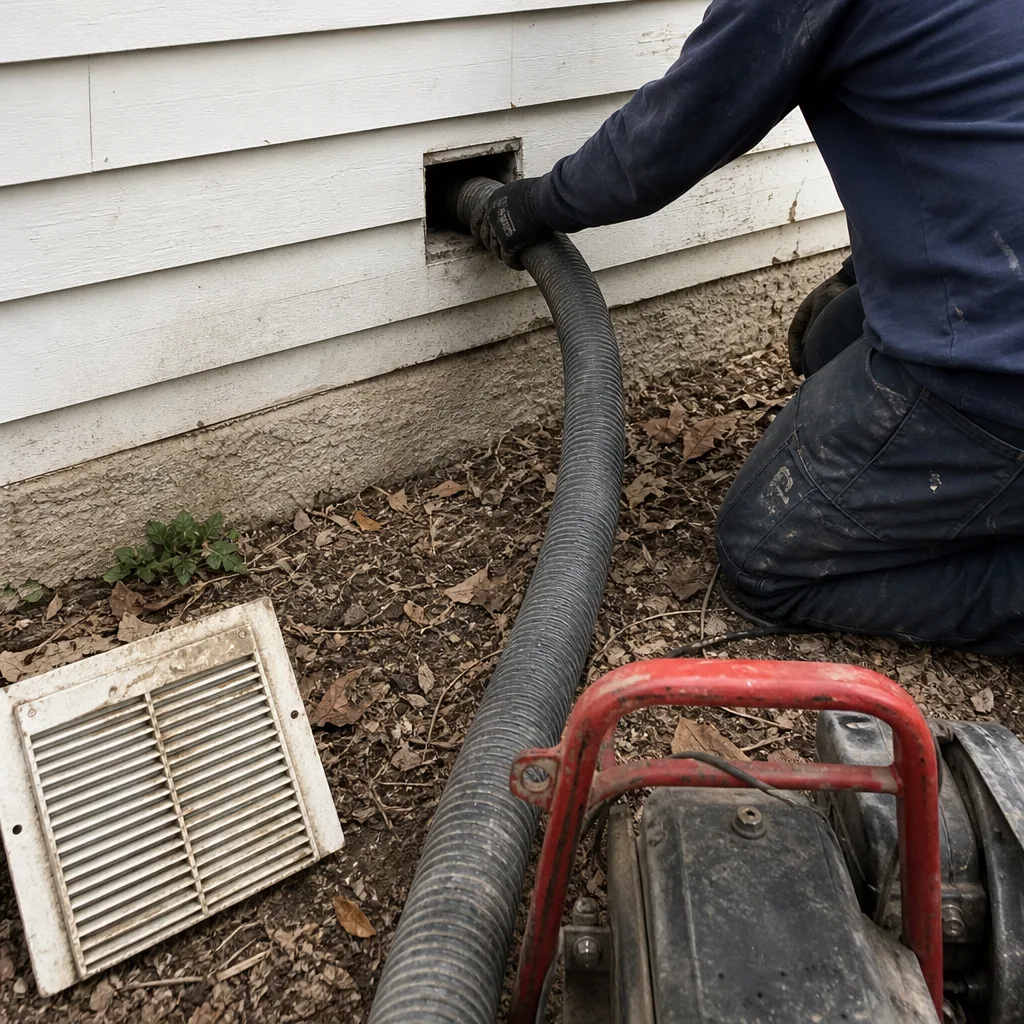 Before
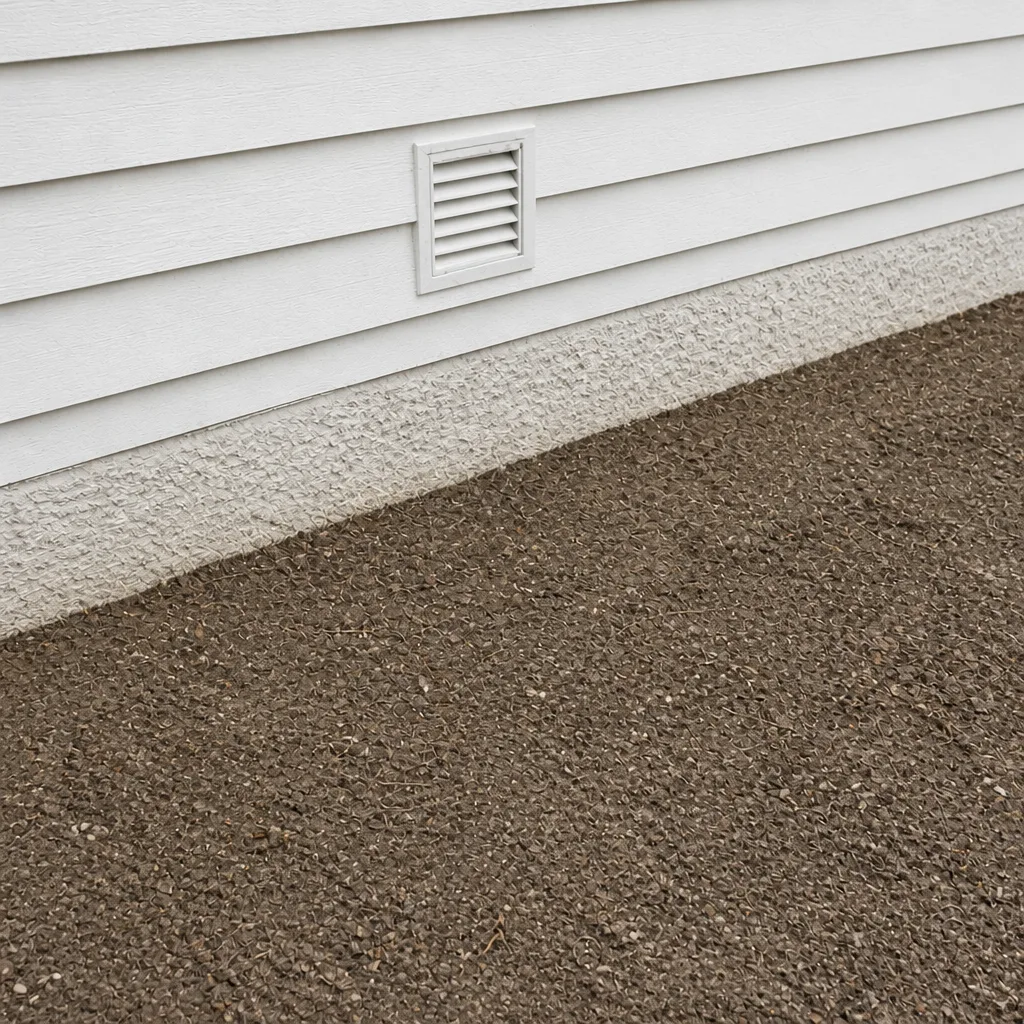 After
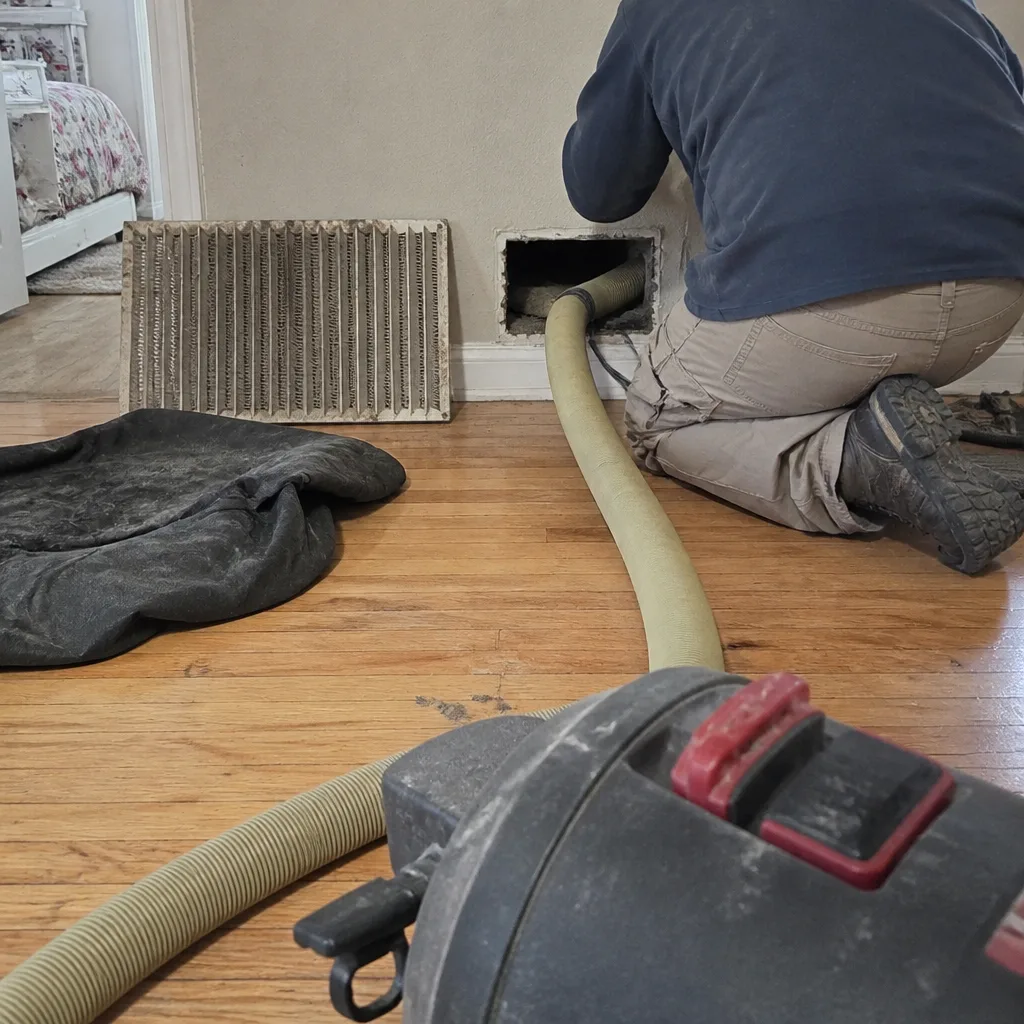 Before
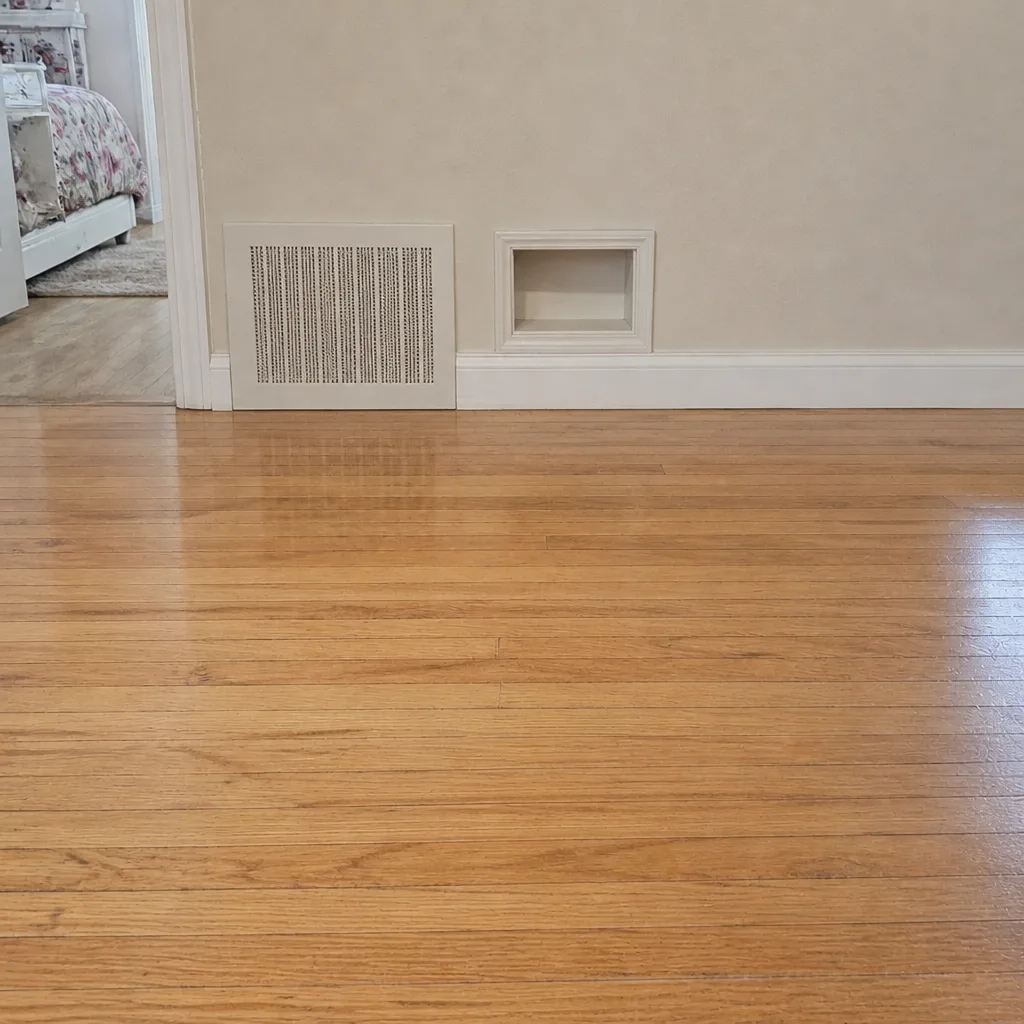 After
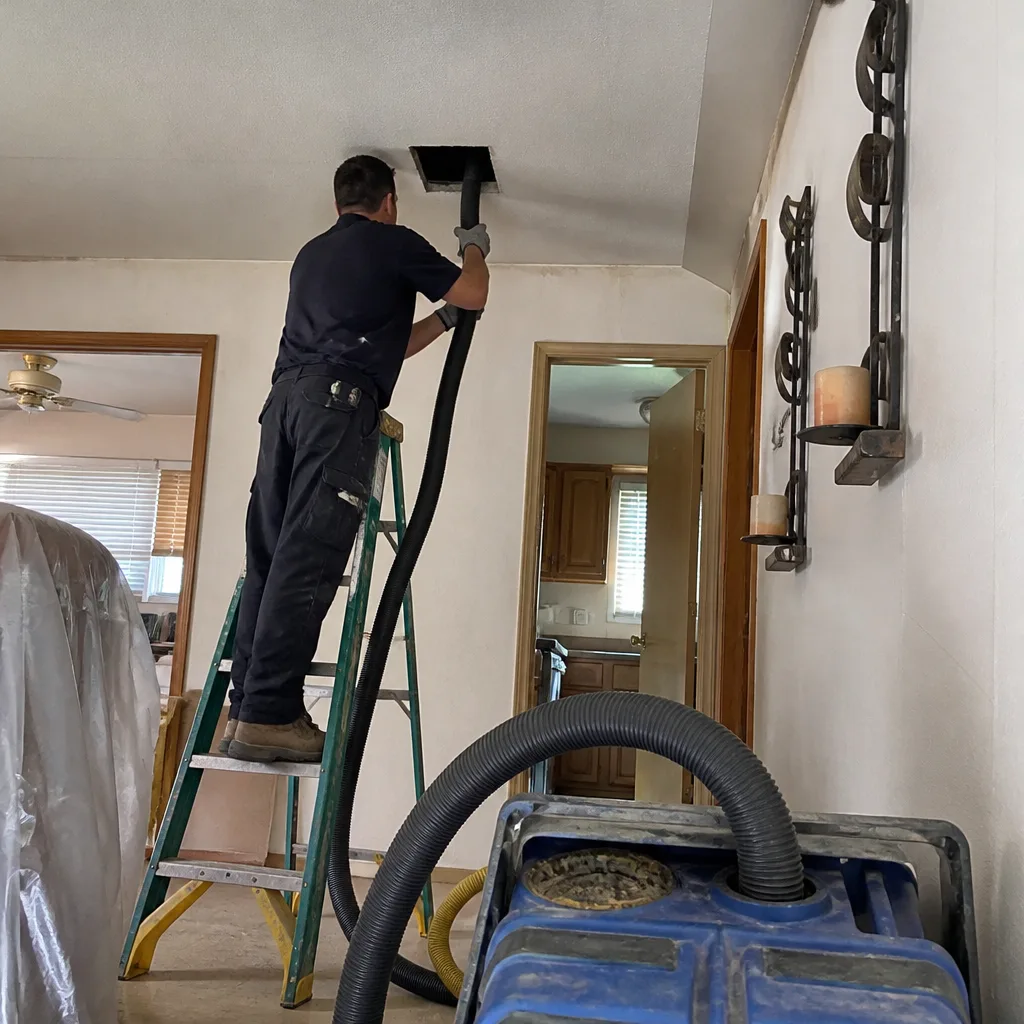 Before
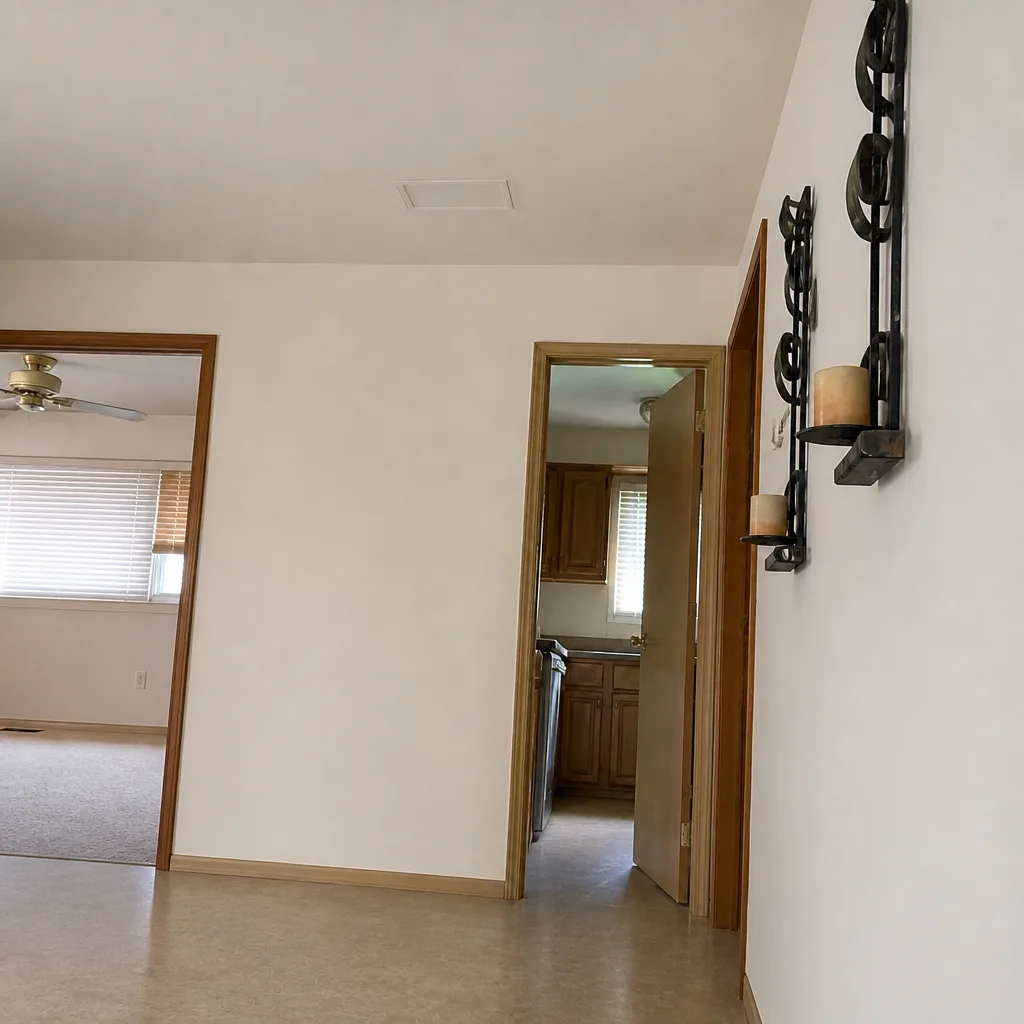 After
When to Call a Professional
Call a professional duct cleaner in Nampa when any of these match your situation: you’ve finished a renovation that generated drywall dust; you’ve found rodent droppings or nesting material in a duct run; you’ve noticed a musty odor that returns soon after a filter change; you see visible mold on a duct surface near the air handler; or your ductwork has obvious failures like separated joints or disconnected branches. In those cases, cleaning (and repair, where needed) is the clear answer. Outside those, the inspection will tell you what you’re actually dealing with, and we don’t sell cleaning on homes that don’t need it. Nampa Duct Cleaning offers free estimates in Nampa – call (833) 842-1697. We use HEPA-rated containment-grade equipment, we set one flat price per system before work starts, and we hand you before-and-after photos of your own ducts. Our technicians have up to 13 years of experience.
Frequently Asked Questions
There’s no single number because the cost depends on the number of systems, the size of the home, and whether the ducts need repair. We price per system, not per vent, and we put the number in writing before work starts. What we can tell you is that any quote below the legitimate range for a full-system clean in the Nampa market is almost certainly covering only part of the job. Call (833) 842-1697 for a free estimate – the price we give is the price you pay.
Cheap quotes are almost always partial-system cleaning. They cover the registers and maybe the closest branches, but not the plenum, air handler cabinet, or trunk lines – and those are where most of the accumulation sits. The coupon price gets people in the door, then the rest of the system gets priced on-site. A written estimate that names exactly what’s included is the way to compare quotes honestly. Call (833) 842-1697 for a quote structured that way.
Before-and-after photographs of your own ducts, not stock images. We take photos at key points before the work begins and after each section is cleaned, and those photos come to you. Beyond photos, ask any cleaner whether they use negative pressure equipment and rotary brush agitation, or an air-only method. A cleaner using air-only equipment has less to show because less is actually removed. Call (833) 842-1697 with questions about the process.
There’s no blanket schedule that fits every home. Most houses in Nampa go several years between cleanings if the filter maintenance is consistent and there’s no renovation, pest activity, or moisture problem. Homes with pets, recent construction, or a history of rodent activity need it more often. The honest answer is to have the system looked at rather than to guess based on a timer. Call (833) 842-1697 to schedule an inspection.
You can reach a portion of it from the outside with a brush kit, but the run through the wall between the dryer and the exterior termination is not accessible to consumer tools. Lint builds up in the transitions and bends where a brush kit can’t maintain contact with the wall. dryer vent cleaning is a dedicated service for exactly this reason – it’s the duct most likely to accumulate the most combustible debris, and reaching the full run requires proper equipment. Call (833) 842-1697 to get it checked.
If the renovation involved drywall, demolition, or significant sawdust, yes. Return ducts draw airborne drywall dust into the system during the work and it settles into trunk lines and low spots rather than clearing on its own. Renovation debris is heavy and abrasive, and it does not leave the system just by running the furnace. A full-system cleaning after the work is finished is the standard recommendation. Call (833) 842-1697 for a post-renovation estimate.
The Bottom Line
DIY duct cleaning works at the register level and stops at the duct wall. Removing and washing grilles, wiping boots, staying on top of filters – all of that is real maintenance and it’s worth doing in any Nampa home. What it can’t do is reach the trunk lines, plenum, or air handler cabinet, and it can’t generate the negative pressure that keeps loosened dust from recirculating. When you’ve got post-renovation debris, pest contamination, or persistent odor after a filter change, that’s when professional cleaning earns its place. And when the ducts need repair alongside cleaning, that’s a service in its own right. If any of that applies, call (833) 842-1697. We answer 24/7. Fast dispatch from 7am to 7pm, Sunday through Friday. Estimates are free, and the price is set per system by the written estimate before work begins.
Written by the team at Nampa Duct Cleaning.