
Last updated November 15, 2026
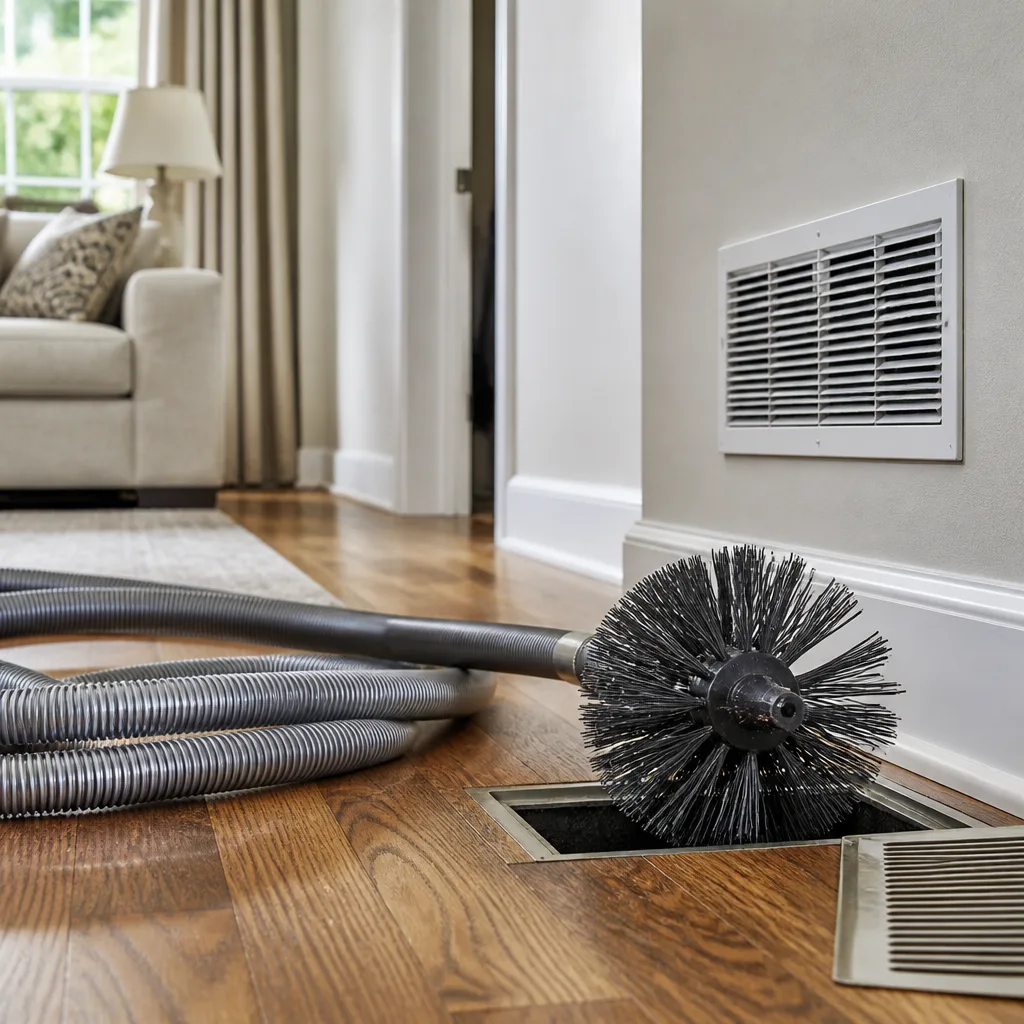 Whole-home duct cleaning
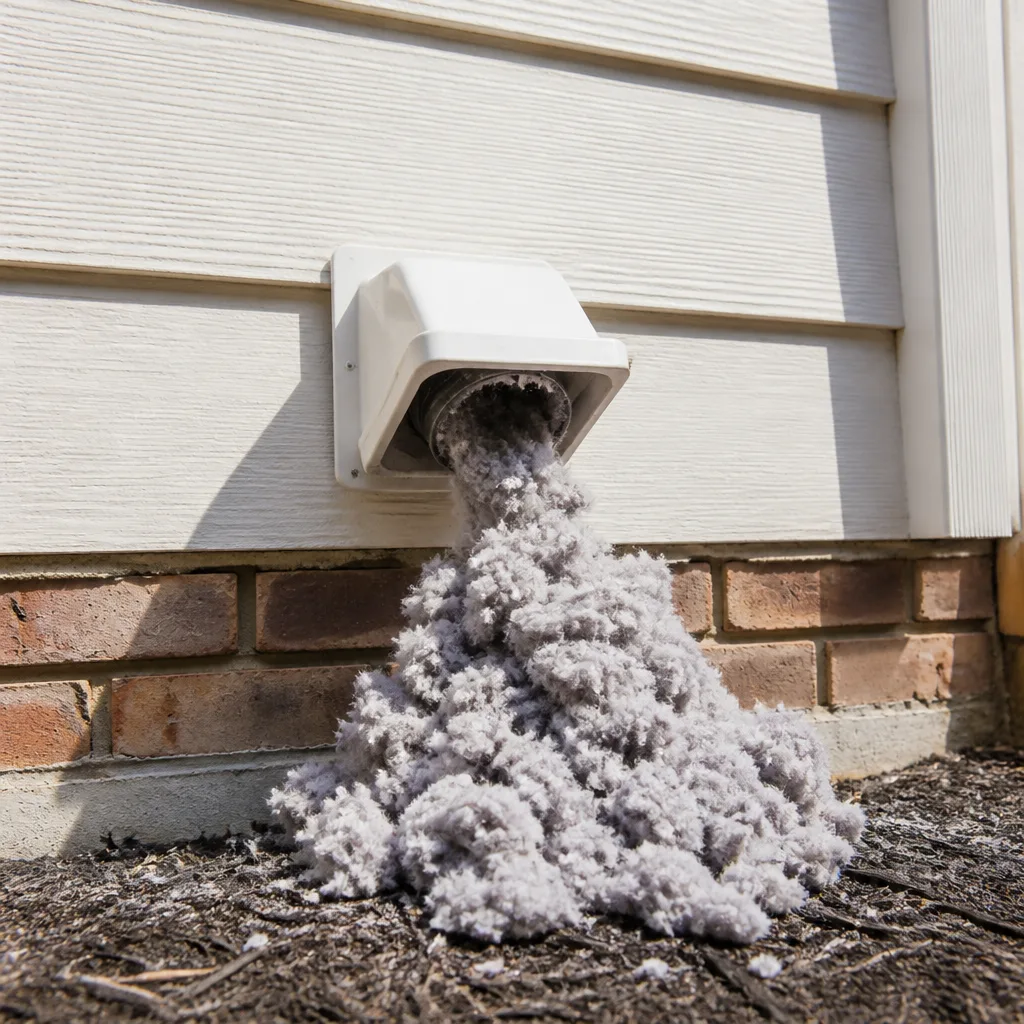 Dryer vent cleaning
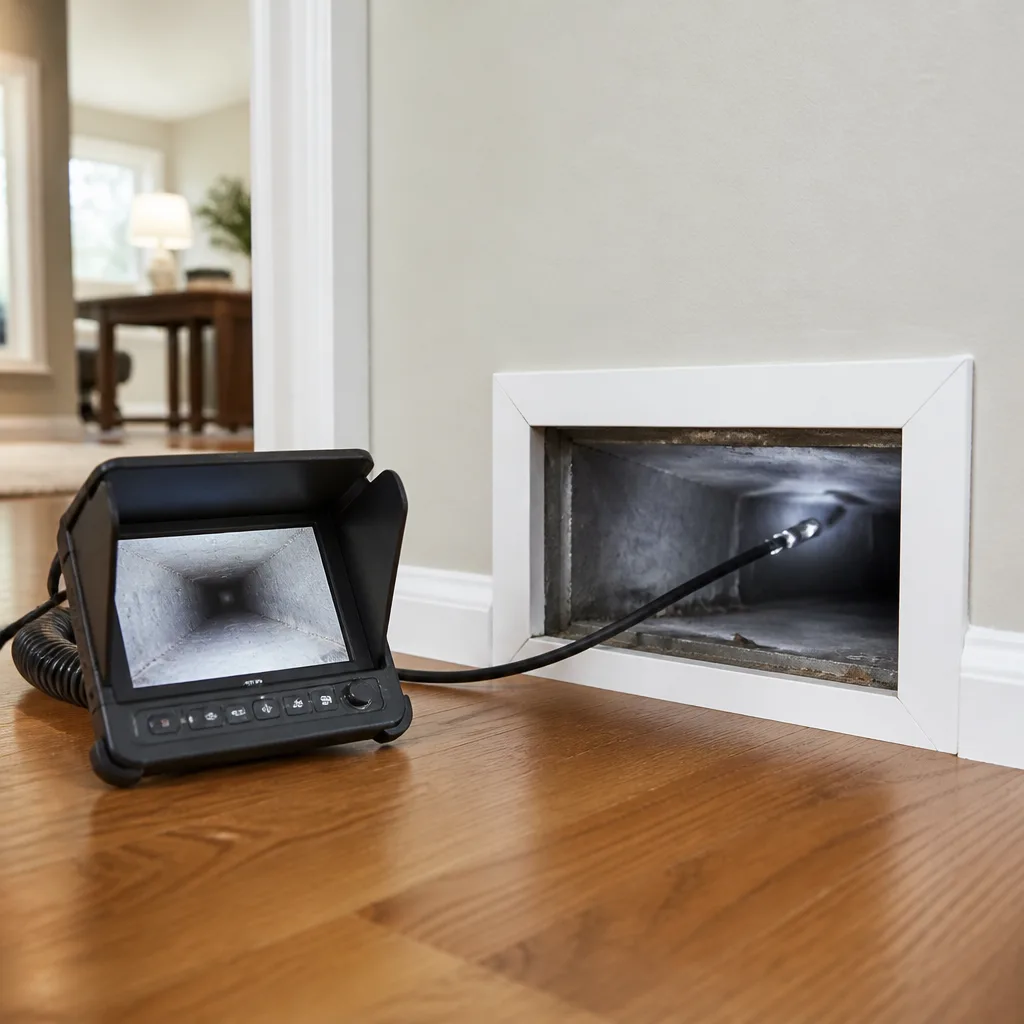 Camera inspection
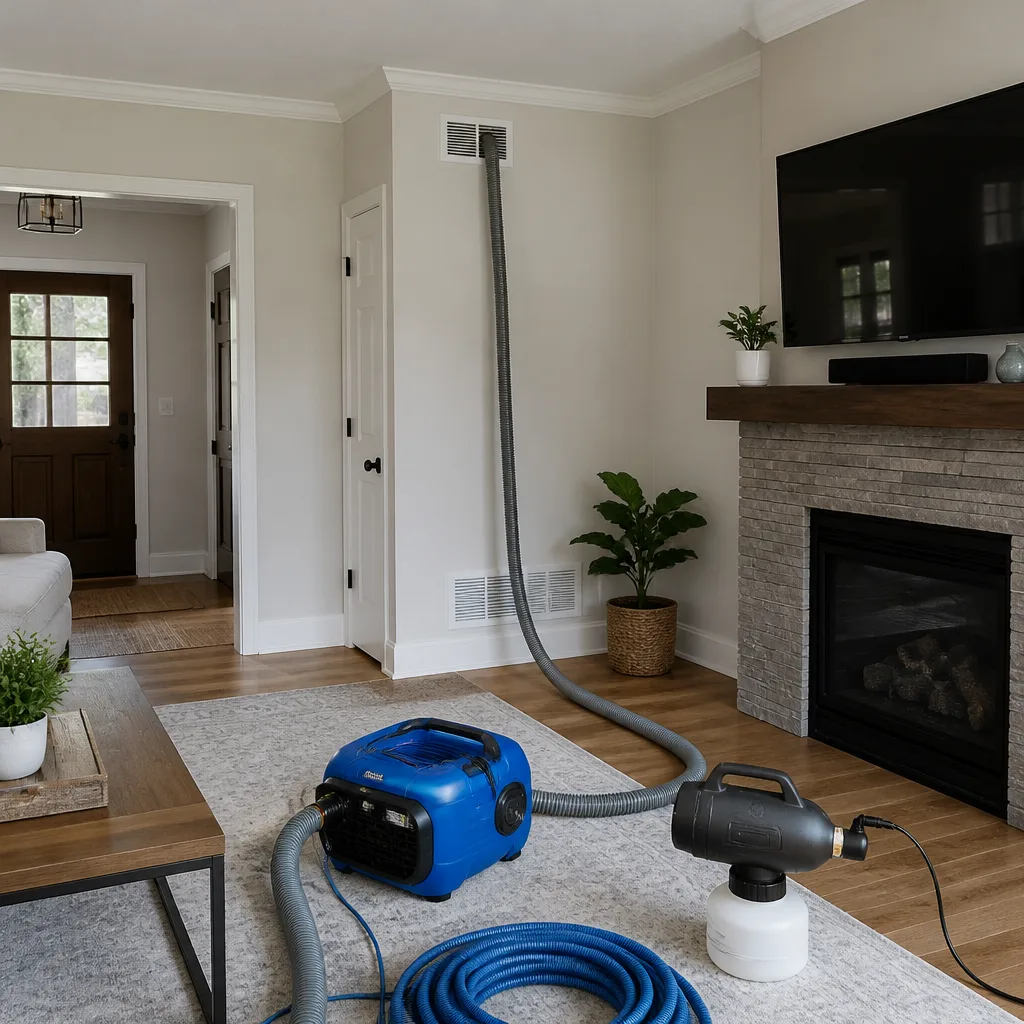 Sanitizing & deodorizing
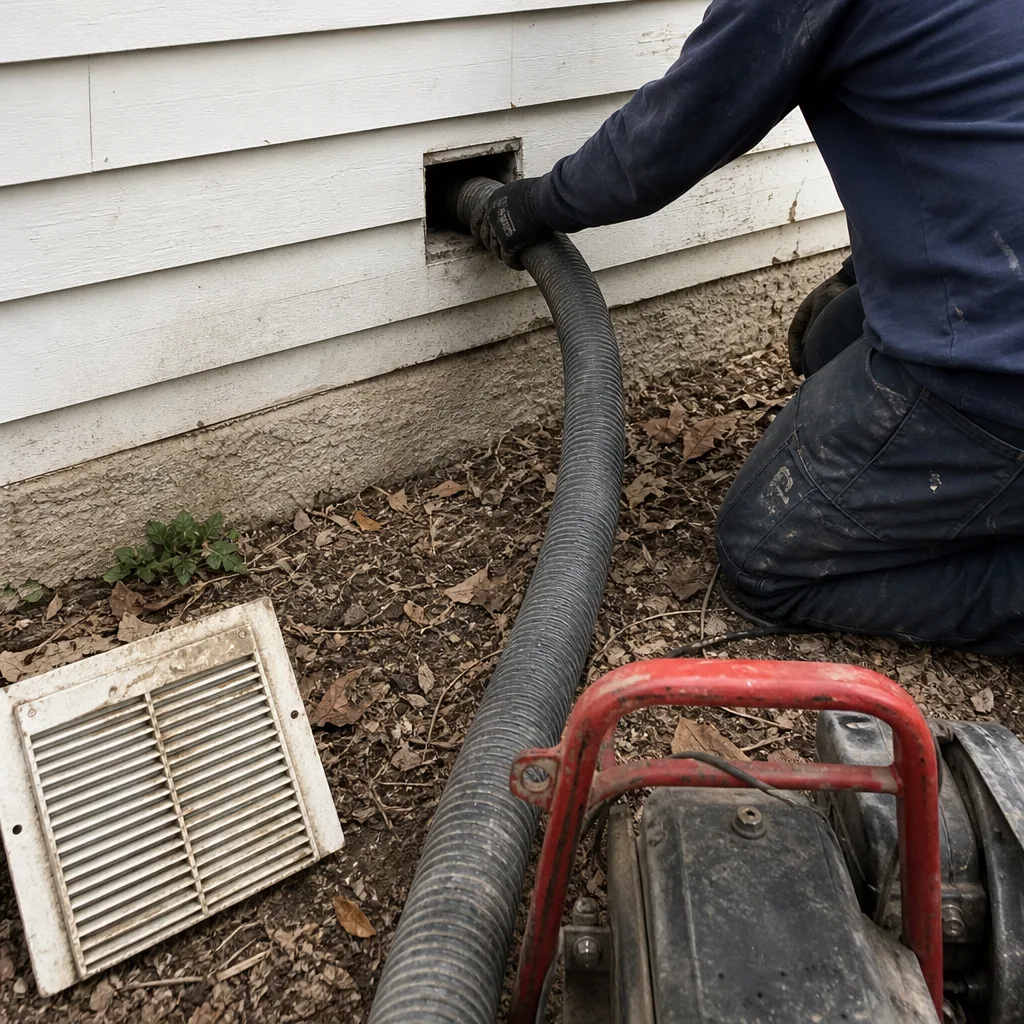
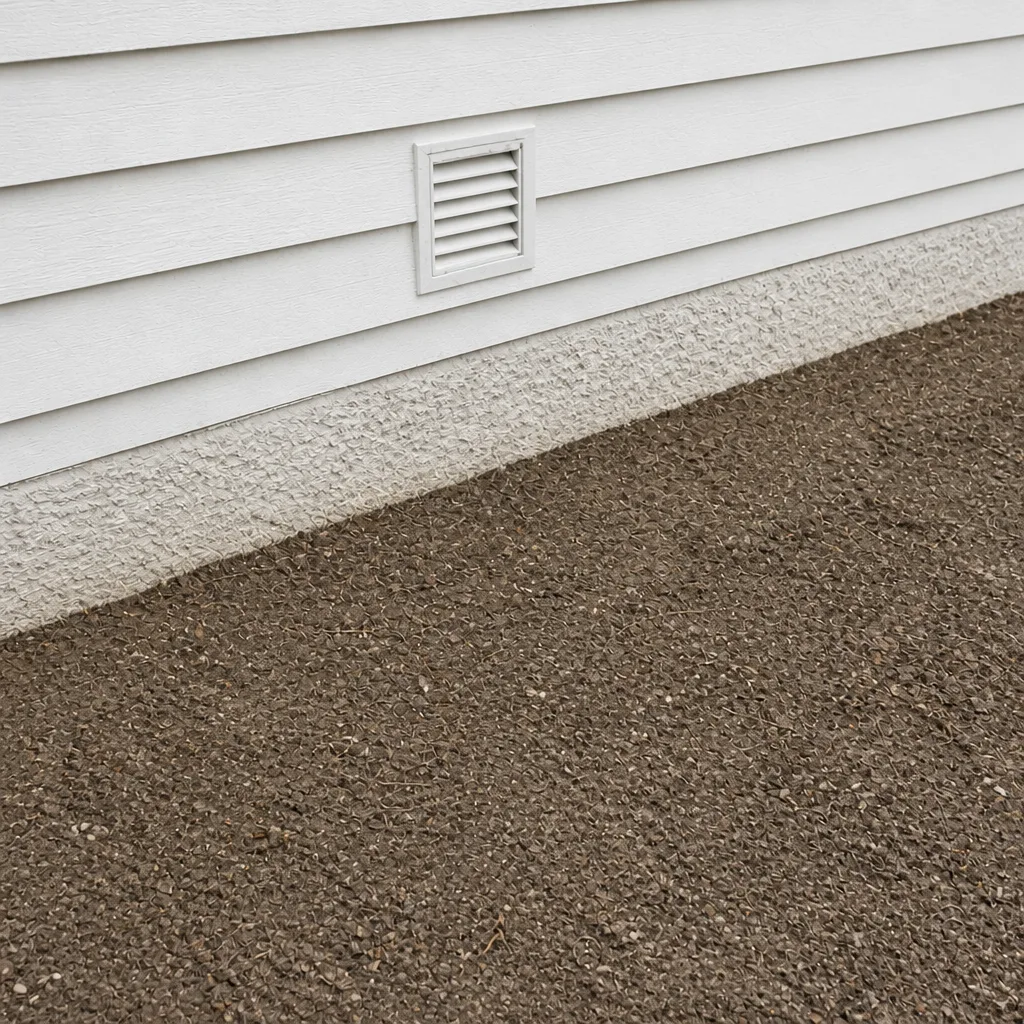
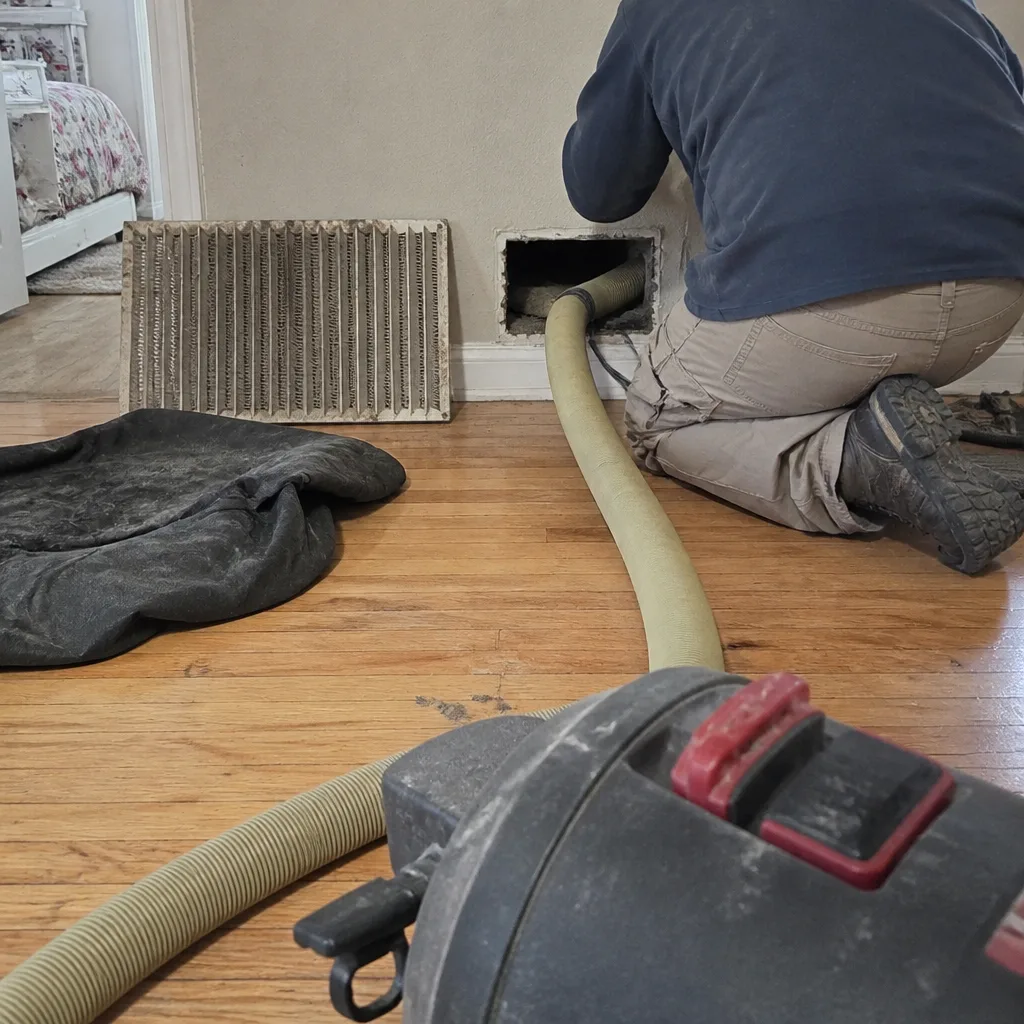
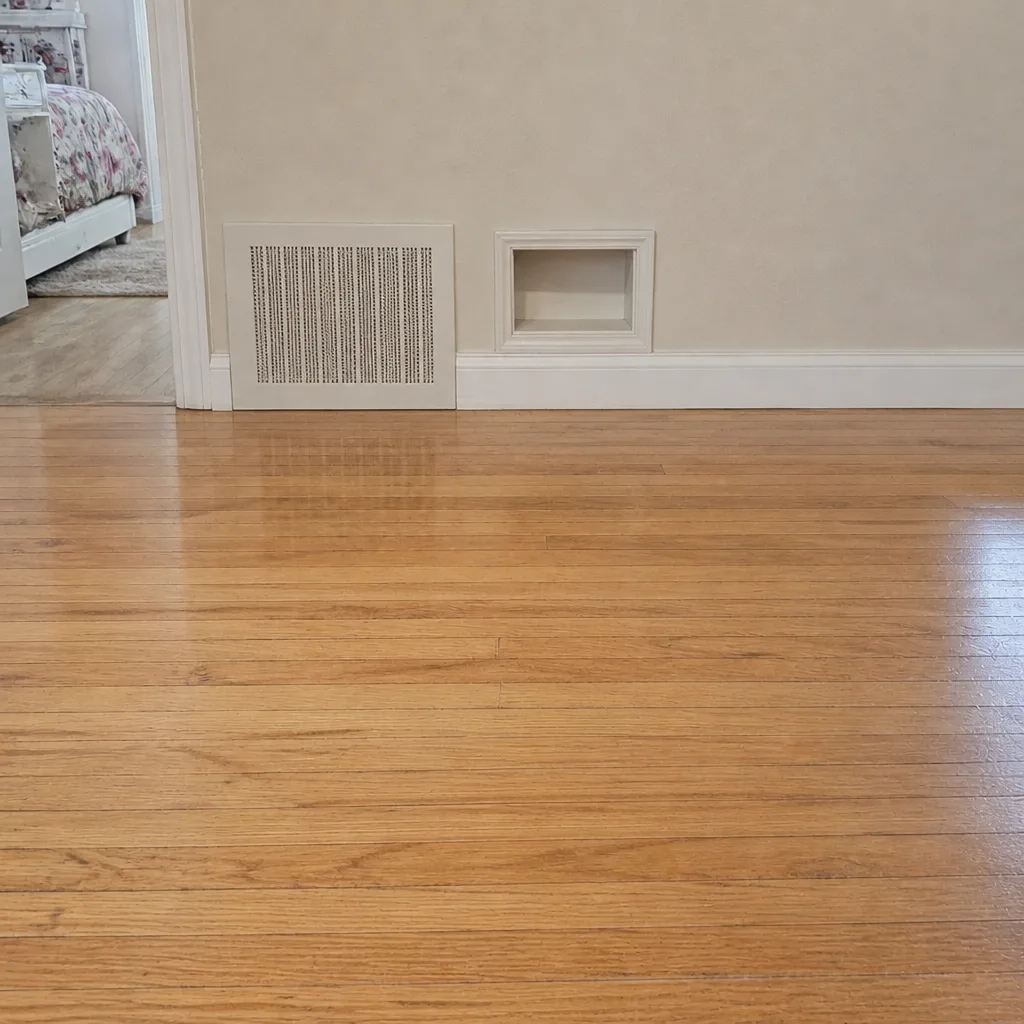
Whole-system duct and dryer vent check with before-and-after photos - you see exactly what came out of your vents
That "$99 whole-house special" is a bait ad - the real number appears once they are in your hallway, or the "clean" is a shop-vac at the register. We photograph the inside of your ducts before and after instead.
Seasonal Air Duct Cleaning Care for Nampa: Year-Round Homeowner’s Guide
The usual advice is to clean your ducts every three to five years. That number gets repeated everywhere, and it was built for a national average that doesn’t describe anywhere in particular. Nampa doesn’t have an average year. It has spring agricultural dust blowing in off working ground, summer wildfire smoke that finds its way into return air, fall harvest particulate fine enough to slip past standard filters, and a winter heating season that wakes up everything that settled during the cooling months. That’s four separate loading events, and a calendar that ignores them is guessing. This guide walks through what each season does to residential ductwork around Nampa, how to inspect for it, and how to build a care calendar that fits the conditions here rather than a generic interval.
Styles & brands we work with
- Whole-home duct cleaning
- Dryer vent cleaning
- Camera inspection
- Sanitizing & deodorizing
Quick Answer
Ductwork in Nampa collects debris in four distinct seasonal waves rather than at a steady rate, so care should follow those waves: a full cleaning after the heating season ends, tighter filtration and frequent filter checks through wildfire smoke season, close attention to return grilles during the fall harvest, and an airflow and odor check at HVAC startup in late fall. For most homes here, the single most justified professional cleaning falls in late spring, once heating has run its course and before summer smoke season begins.
Table of Contents
- Why the Standard 3-to-5-Year Interval Doesn’t Fit Nampa
- Spring: The Post-Heating Inspection Window
- Summer: Wildfire Smoke and Filtration Strategy
- Fall: Harvest Particulate and Return Grilles
- Winter: HVAC Startup and What Settled Debris Does
- Building a 12-Month Care Calendar for Nampa
- What You Can Check Yourself and What You Can’t
- Duct Repair: The Problem Cleaning Can’t Solve
- Common Mistakes to Avoid
- When to Call a Professional
- Frequently Asked Questions
- The Bottom Line
Why the Standard 3-to-5-Year Interval Doesn’t Fit Nampa
A cleaning interval is really a loading estimate. It assumes a certain amount of particulate enters the system per year and that the accumulation is roughly linear. In a lot of places, that’s close enough to be useful. In the Treasure Valley, the loading isn’t linear. It comes in seasonal pulses, and the composition of what enters the ducts changes with each one.
Spring dust off farm ground is coarse and mineral-heavy. Wildfire smoke is fine enough to behave almost like a gas in moving air, which is why it penetrates filters that stop ordinary dust. Harvest particulate in Canyon County is dry, light, and tends to stay suspended longer. Winter debris is different again: it’s what the heating season itself produces, plus everything that settled during the cooling months getting stirred up when the system runs hard for the first time.
Those four streams don’t accumulate the same way. Coarse spring dust tends to drop out quickly, often in the return plenum and the first few feet of trunk line. Fine smoke particulate travels farther and coats surfaces more evenly, which makes it harder to see and easier to underestimate. Harvest dust settles on horizontal runs and at grille faces. This is why two homes on the same street in Nampa can need very different service timelines.
The practical takeaway isn’t that the standard interval is wrong everywhere. It’s that it was never a schedule. It’s an average, and averages hide exactly the seasonal detail that matters here.
Spring: The Post-Heating Inspection Window
By the time heating season ends in Nampa, the system has run for months under its heaviest continuous load. That matters because the components that accumulate the most debris aren’t the ducts themselves. They’re the heat exchanger and the blower compartment.
Air moving across a heat exchanger carries dust, and some of it bakes onto the surface. The blower wheel is worse: its blades are shaped to move air, and dust collects on the leading edges until the wheel is out of balance and moving less air than it should. A blower that’s visibly coated is a blower that’s working harder for less result. This is why a late-spring inspection is the one that tells you the most about system condition.
Spring is also the right time for a full cleaning, for a straightforward reason: you want the ducts clean going into smoke season, not coming out of it. Cleaning in April or May means the system enters the summer with a clean starting point, so when smoke does infiltrate, you’re managing a fresh load rather than adding to one that’s been building since fall.
What a spring inspection should cover:
- Heat exchanger surfaces, checked for debris buildup and for any sign of cracking or deterioration.
- Blower wheel and compartment, checked for coating, balance, and airflow restriction.
- Return plenum and trunk lines, checked for accumulation and for loose or disconnected joints.
- Filter housing and the filter itself, checked for bypass around the edges.
- Supply registers and grille faces, checked for dust tracking and airflow strength.
One safety note worth stating plainly: heat exchangers and blower assemblies sit behind panels that are there for a reason. Visual inspection through a grille or with a flashlight is fine. Pulling panels, testing components, or reaching into the blower compartment is work for a trained technician, and it’s the kind of work where a mistake can damage the system or worse.
Summer: Wildfire Smoke and Filtration Strategy
Smoke season changes the rules. Household dust is relatively large and heavy; it drops out of air and settles. Wildfire smoke is mostly fine particulate, small enough that it stays suspended and follows airflow into places coarse dust never reaches. Once inside a duct system, it doesn’t just sit on the bottom of the run. It coats surfaces, and it binds to them, especially where there’s any slight moisture or static.
That difference in behavior is why smoke season calls for a different response than ordinary dust management.
- Filter checks get more frequent. During active smoke, checking the filter monthly rather than quarterly makes sense. A loaded filter stops filtering well and starts restricting airflow, which is the opposite of what you want.
- Filter fit matters as much as rating. A high-rated filter that doesn’t seal at the edges lets air bypass it entirely. Check that the filter sits flush in the housing with no visible gap.
- MERV rating is a tradeoff, not a score to maximize. Higher ratings capture finer particles, but they also resist airflow more. A system not designed for a high-MERV filter will lose airflow and strain the blower. If you want to step up filtration, have the system assessed first rather than guessing at a rating.
- Return grilles tell you what’s happening. Check them during smoke events. Visible darkening at the grille face over a short period is a sign the system is pulling in more particulate than the filter is catching.
This is where filtration upgrades actually earn their keep. We stock and service Honeywell and Aprilaire air-quality products, which means a homeowner can address filtration and humidity control as part of the same visit rather than tracking down a separate contractor. The point isn’t to sell hardware. It’s that a filter mismatch is a real problem, and the fix is a properly sized system, not a higher number on a box.
Fall: Harvest Particulate and Return Grilles
Canyon County harvest season produces a specific kind of dust: fine, dry, and light enough to stay airborne well past the field it came from. It bypasses standard filters more easily than coarse spring dust because there’s less for the filter media to catch. It also arrives at a time when most homeowners have stopped thinking about their HVAC system, since neither heating nor cooling is running hard.
That combination is the problem. The system is running intermittently, so particulate enters slowly and settles rather than getting pushed through. By the time heating season starts, there’s a season’s worth of fine agricultural dust sitting in the return plenum and on horizontal duct runs.
The return grille is where you’ll see it first. Through September and October, watch for:
- Visible dust film or darkening on the grille face that returns after cleaning.
- Dust streaks radiating from the grille edges, which suggest air is bypassing the filter housing.
- A filter that loads noticeably faster than it did earlier in the year.
- Fine dust on nearby surfaces that doesn’t match the household’s cleaning routine.
Fall is also the right time for a filter audit. If the filter is undersized, poorly sealed, or simply the wrong rating for the season, harvest dust will find the gap. Fixing that now costs far less than dealing with a loaded system in December.
Winter: HVAC Startup and What Settled Debris Does
The first hard run of the heating season does something specific: it mobilizes everything that settled during the cooling months. Dust that’s been sitting quietly in the ducts gets picked up and distributed through the house. That’s why a system that smelled fine in September can produce an odor the first week the heat comes on.
Three symptoms tend to show up at startup and each points at a different issue:
- Odor at first heat. Often the result of dust baking onto the heat exchanger or collecting in the blower compartment. Mild at first, it usually worsens with continued running.
- Reduced airflow at registers. Usually a filter issue, a blower issue, or a duct restriction. Worth checking the filter before anything else, then having the system assessed if airflow stays weak.
- Uneven heating between rooms. Often points at a duct problem rather than a heating problem: a disconnected run, a collapsed section, or leaking joints sending conditioned air into a crawlspace instead of a bedroom.
Winter is also when duct repair becomes most visible, because a leaking or disconnected run stops delivering heat exactly when you need it most. If we find a gap, a collapse, or a disconnected run during a cleaning, we fix it. Cleaning alone can’t correct a duct that isn’t connected, and no amount of vacuuming solves an airflow problem caused by physical damage.
Building a 12-Month Care Calendar for Nampa
A care calendar is only useful if it’s specific. Here’s how to structure a year around the loading patterns that actually occur here.
- March through April: Schedule the post-heating inspection and, if it’s due, a full air duct cleaning. This is the window that clears winter accumulation before smoke season.
- May: Verify filter fit and rating before summer. Confirm the filter seals at the edges and that the rating matches what the system can handle.
- June through August: Check the filter monthly during smoke events. Watch return grilles for rapid darkening. Keep windows closed on heavy smoke days to reduce the load entering the system.
- September through October: Inspect return grilles weekly during harvest. Replace filters on the shorter cycle. Note any dust film that returns quickly after cleaning.
- November: Before the first hard freeze, check airflow at every register and listen for new noises at startup. Address weak registers before they become a winter project.
- December through February: Keep an eye on filter loading and note any new odors at startup. If airflow drops or a room stops heating well, have the ducts inspected rather than assuming the furnace is at fault.
If you only do one thing per year, do the late-spring cleaning. That’s the single intervention that most justifies professional work in this climate, because it clears the heaviest load (heating season debris) and positions the system ahead of the lightest-but-fineest load (summer smoke).
One related item belongs on the same calendar: dryer vent cleaning. Lint accumulation in a dryer vent is a fire risk independent of HVAC seasonality, and it’s easy to forget because it’s out of sight. We treat it as a standalone service rather than an add-on.
What You Can Check Yourself and What You Can’t
There’s a real dividing line here, and it’s worth being clear about it because a lot of homeowner advice blurs the two.
What you can and should do yourself:
- Check and change the filter on the schedule the season calls for.
- Look at return and supply grilles for dust film, streaks, and airflow strength.
- Note odors at HVAC startup and track whether they persist.
- Confirm the filter seats flush with no visible bypass gap.
- Listen for new rattles, whistles, or whooshes after the system starts running.
What needs a technician:
- Inspecting the heat exchanger and blower compartment, which sit behind panels.
- Cleaning duct interiors, which requires contact tools and HEPA-rated extraction, not a shop vacuum.
- Diagnosing airflow restrictions inside the duct system.
- Repairing gaps, collapsed sections, or disconnected runs.
- Assessing whether a filtration upgrade is compatible with the existing system.
A vacuum hose pushed into a register doesn’t clean a duct system. It reaches the first few feet and stirs up the rest. Professional cleaning uses rotary-brush contact tools that physically scrub duct walls and HEPA-rated extraction that captures what’s dislodged. We run Rotobrush and Nikro equipment for exactly that reason, and use Abatement Technologies HEPA containment and negative-air machines on jobs where contamination control matters. The equipment is the difference between cleaning and the appearance of cleaning.
Duct Repair: The Problem Cleaning Can’t Solve
Some duct problems aren’t dirt problems. A duct system that’s leaking, collapsed, or has a disconnected run won’t be fixed by cleaning it, no matter how thorough the cleaning is. In our experience, these problems are underdiagnosed because they’re invisible from the living space and the symptoms look like heating problems rather than duct problems.
Signs worth taking seriously:
- A room that never heats or cools as well as the rest of the house.
- Airflow at registers that’s noticeably weaker than it used to be.
- Dust accumulating in one area faster than everywhere else.
- Higher energy use without a clear explanation.
- Visible disconnected or crushed flexible duct in a crawlspace or attic.
Duct repair is a named service for us, not a referral. If an inspection finds a gap, a collapse, or a disconnected run, we fix it on-site. That’s a meaningful difference from a cleaning-only visit, where a real problem gets documented and deferred to someone else. It also matters for seasonal care: there’s no point building a cleaning calendar around a system that’s losing conditioned air into a crawlspace.
We also work with Guardsman duct care products when a system needs surface conditioning after cleaning. It’s a small detail, but it’s the kind of thing that separates a thorough job from a quick one.
Common Mistakes to Avoid
- Treating the 3-to-5-year interval as a schedule. It’s a national average, not a plan. In Nampa, seasonal loading means the interval that fits one home may be wrong for the house next door.
- Cleaning in the wrong season. A fall cleaning leaves the system entering smoke season loaded again within months. Late spring is the better window here because it clears winter debris before summer particulate arrives.
- Maximizing filter rating without checking fit. A high-MERV filter that doesn’t seal at the edges lets air bypass it. Fit and compatibility matter more than the number on the box.
- Assuming weak airflow means a furnace problem. In a lot of homes around Nampa, weak airflow at one register traces back to a duct issue: a disconnected run, a collapsed section, or leaking joints.
- Ignoring return grilles during harvest season. Grilles are the cheapest diagnostic you have. Dust film that returns quickly after cleaning tells you the filter isn’t keeping up.
- Using a shop vacuum on duct interiors. It disturbs debris without capturing it. Fine particulate ends up back in the living space, which is worse than leaving it settled.
- Forgetting the dryer vent. It’s a separate system with its own risk profile, and lint accumulation is a fire concern regardless of what the HVAC ducts look like.
When to Call a Professional
Call for an inspection when you notice symptoms that point at the duct system rather than the equipment: persistent odor at HVAC startup, weak or uneven airflow, dust film returning to grilles quickly, or a room that never heats properly. Call if it’s been several years since a cleaning and you can’t remember the last one. Call before summer if you want the system clean ahead of smoke season, and call before winter if airflow has dropped since last heating season.
At Nampa Duct Cleaning, we handle air duct cleaning, dryer vent cleaning, and duct repair as three focused services, and we carry the equipment to diagnose and fix problems on-site rather than documenting them and moving on. Our technicians have up to 13 years of experience. Estimates are free: call (833) 842-1697. We answer 24/7. Fast dispatch from 7am to 7pm, Sunday through Friday.
Frequently Asked Questions
Most homes here benefit from a full cleaning every few years, timed to late spring so the system enters smoke season clean. The right interval depends on the home: proximity to farm ground, pets, filter habits, and whether anyone in the house has respiratory sensitivity all shift it. The national 3-to-5-year figure is a starting point, not a rule. Call (833) 842-1697 for an exact quote – estimates are free.
Yes. Fine smoke particulate follows airflow and coats duct surfaces, and it behaves differently from household dust because it stays suspended longer and binds to surfaces. During smoke season, check filters monthly and watch return grilles for rapid darkening. If grilles darken quickly despite a clean filter, that’s a sign the system is pulling in more than the filter catches. Call (833) 842-1697 for an assessment.
The first hard run of the heating season picks up debris that settled during the cooling months and bakes some of it onto the heat exchanger, which produces an odor. Mild odor at first heat is common, but it usually worsens with continued running. Persistent smell is worth an inspection. Call (833) 842-1697 for an exact quote – estimates are free.
Pricing is per job and set by a written estimate after the system is assessed, because a single-story home with a simple layout and a two-story with multiple zones aren’t the same job. We give one flat price per system agreed before work starts, with no per-vent pricing, and before-and-after photos of your own ducts so you can see what changed. Call (833) 842-1697 for an exact quote – estimates are free.
Cheap quotes usually reflect either a smaller scope or lighter equipment, and the difference shows up in what actually gets cleaned. Air-only methods move debris around; rotary-brush contact tools physically scrub duct walls, and HEPA-rated extraction captures what’s dislodged. Ask what equipment a company uses and whether they photograph before and after. Call (833) 842-1697 for an exact quote – estimates are free.
Ask for before-and-after photos of your own ducts, not stock images, and ask what equipment will be on site. A company using proper extraction should be able to show you what changed. We run Rotobrush and Nikro rotary-brush systems with HEPA-rated extraction, and we photograph the work. Call (833) 842-1697 for an exact quote – estimates are free.
Cleaning removes accumulated debris from interior surfaces. Repair addresses physical problems: gaps, collapsed sections, disconnected runs, and leaking joints. Cleaning can’t fix a duct that isn’t connected, and a leaking system wastes conditioned air regardless of how clean it is. We handle both as part of the same visit when needed. Call (833) 842-1697 for an exact quote – estimates are free.
It can, if it’s sized correctly. Higher-rated filters capture finer particulate but resist airflow more, so a system not designed for one will lose airflow and strain the blower. We stock and service Honeywell and Aprilaire air-quality products and can assess whether a system can support an upgrade. Call (833) 842-1697 to schedule an assessment.
The Bottom Line
Nampa loads residential ductwork in four seasonal waves, not at a steady rate, and that’s the part a generic 3-to-5-year interval doesn’t capture. The care strategy that fits here is specific: a full cleaning in late spring after heating season ends, tighter filtration and monthly filter checks through smoke season, close attention to return grilles during harvest, and an airflow and odor check at winter startup. If you do one thing per year, do the late-spring cleaning, because it clears the heaviest load and positions the system ahead of the finest one. The rest of the year is about watching for symptoms and acting on them.
If you’d rather have someone assess the system and tell you what it actually needs than guess at an interval, that’s what the free estimate is for. Call (833) 842-1697. We answer 24/7. Fast dispatch from 7am to 7pm, Sunday through Friday. One call covers your HVAC ducts, your dryer vent, and any ductwork repairs, with professional-grade Rotobrush, Nikro, and Abatement Technologies equipment on every job.
Written by the team at Nampa Duct Cleaning.
See the difference
 Before
 After
 Before
 After
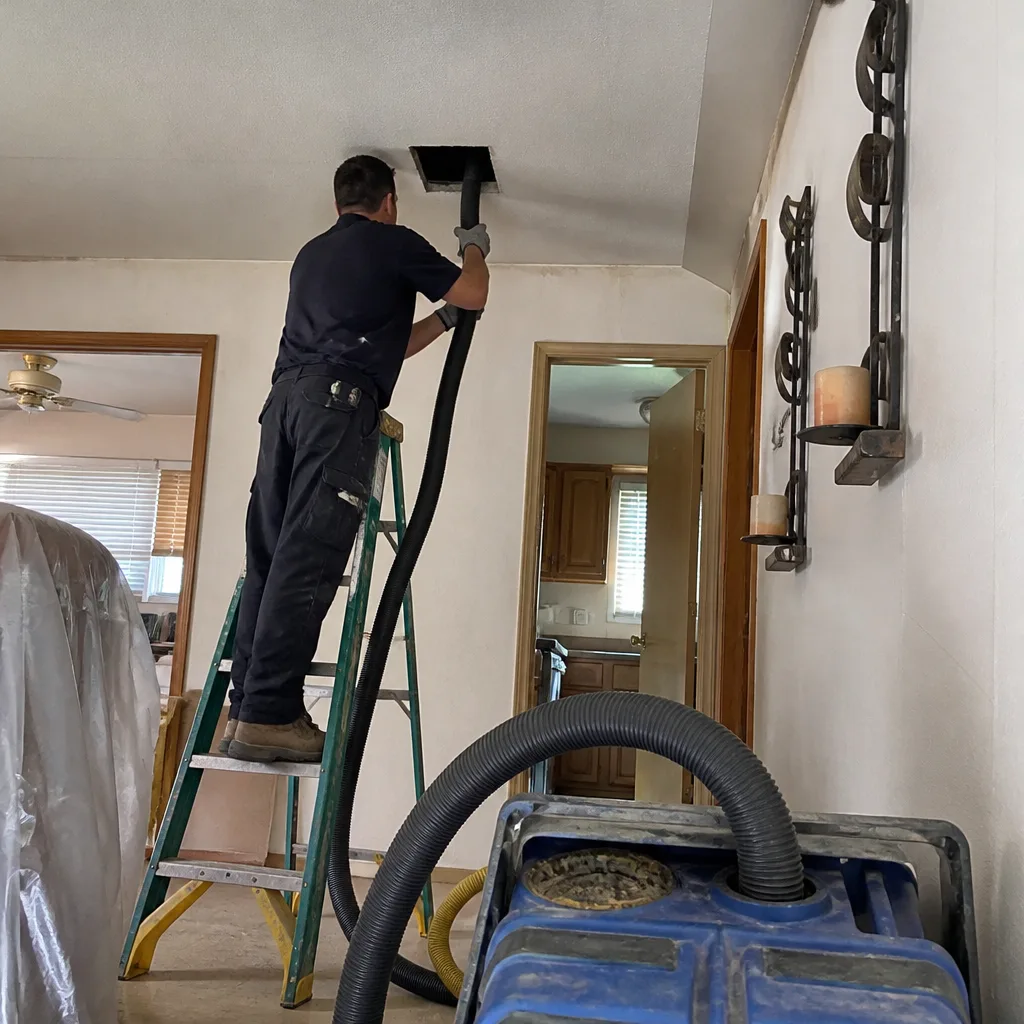 Before
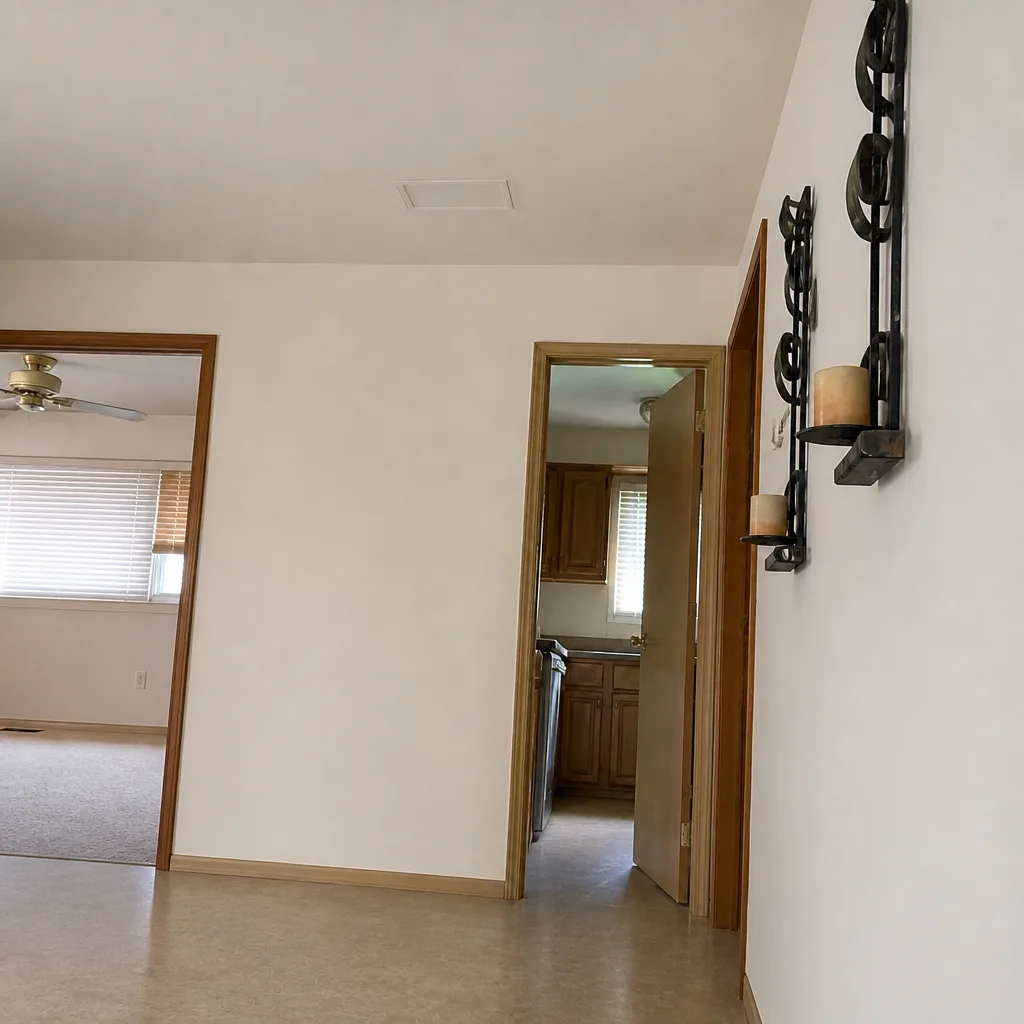 After