
Last updated November 15, 2026
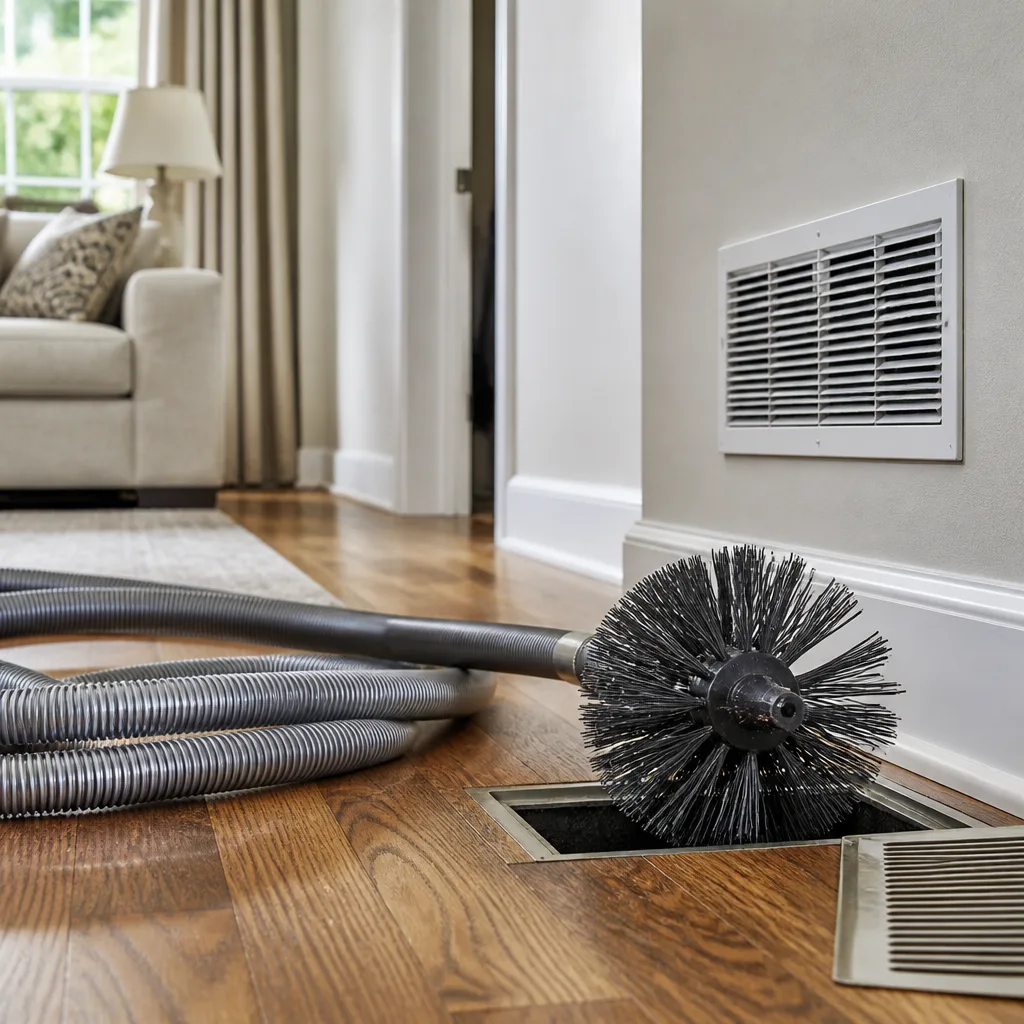 Whole-home duct cleaning
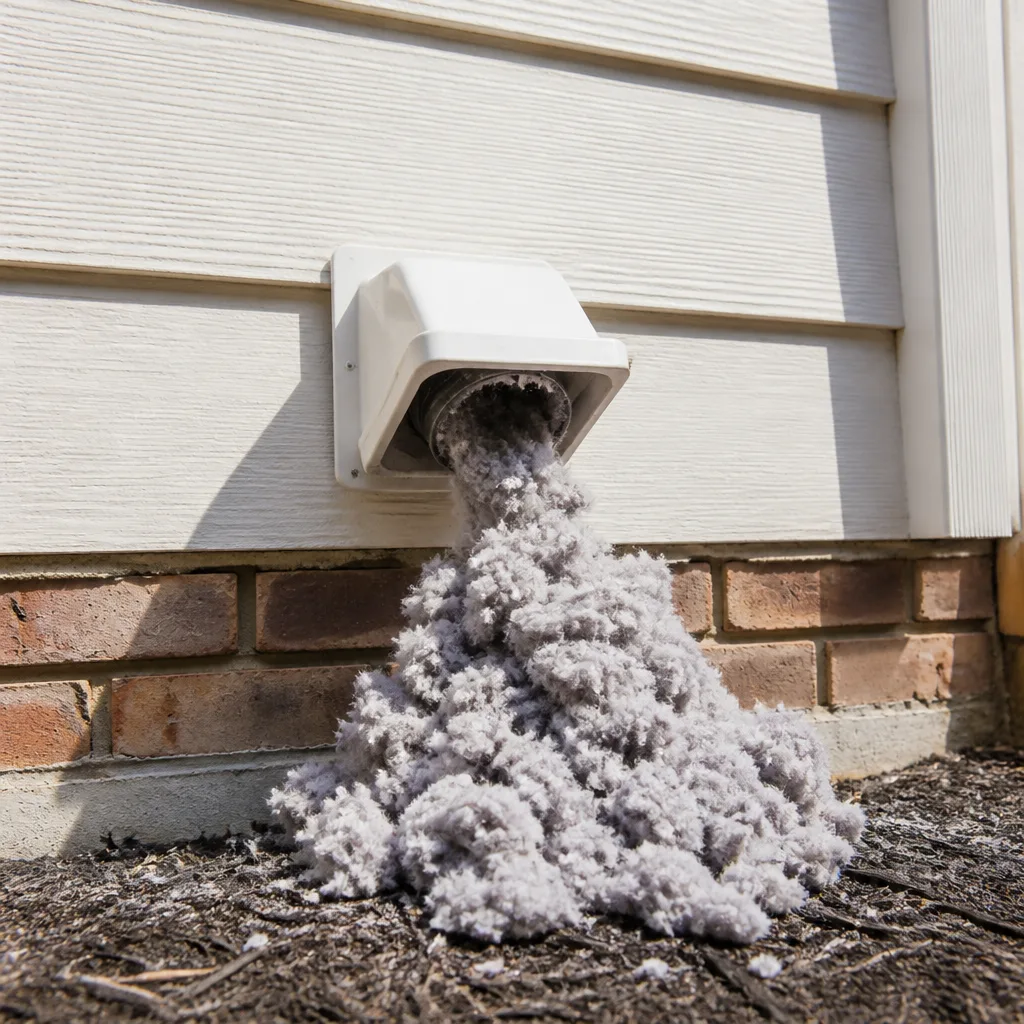 Dryer vent cleaning
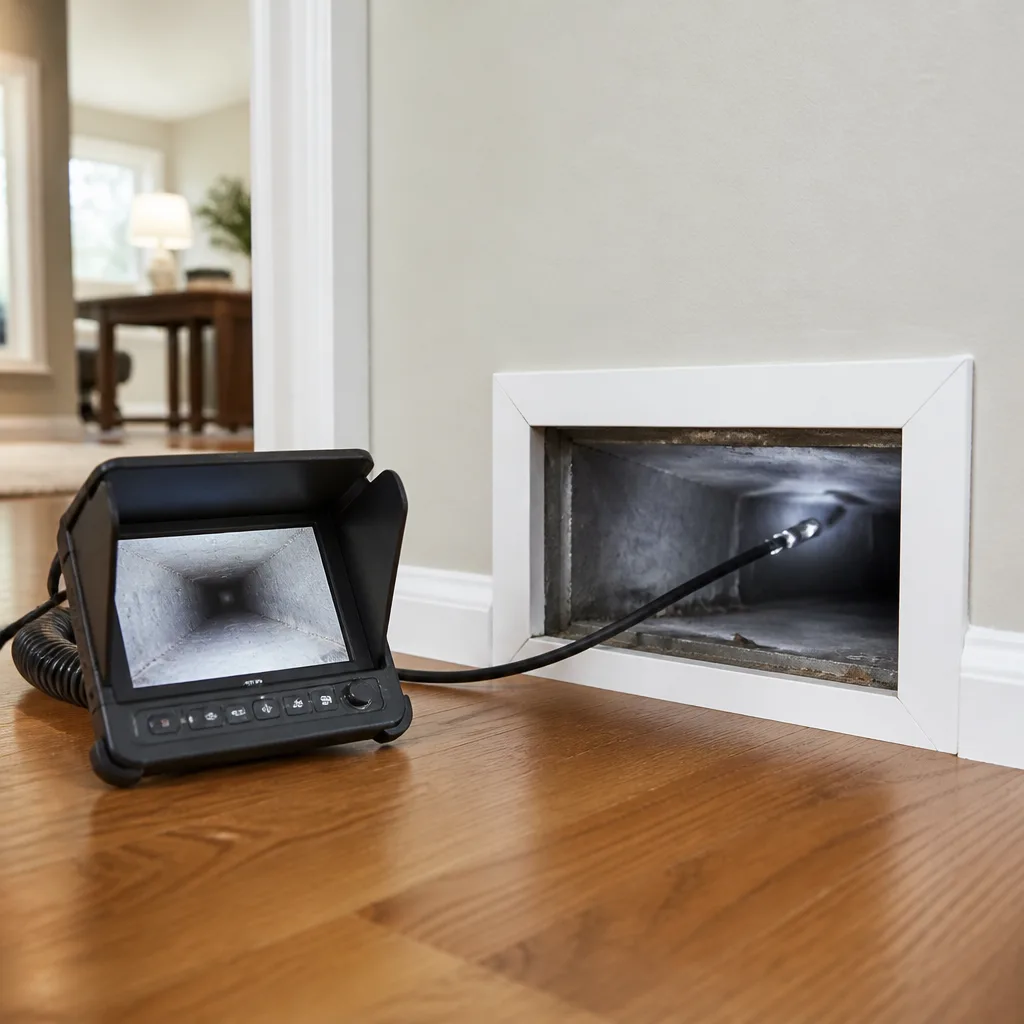 Camera inspection
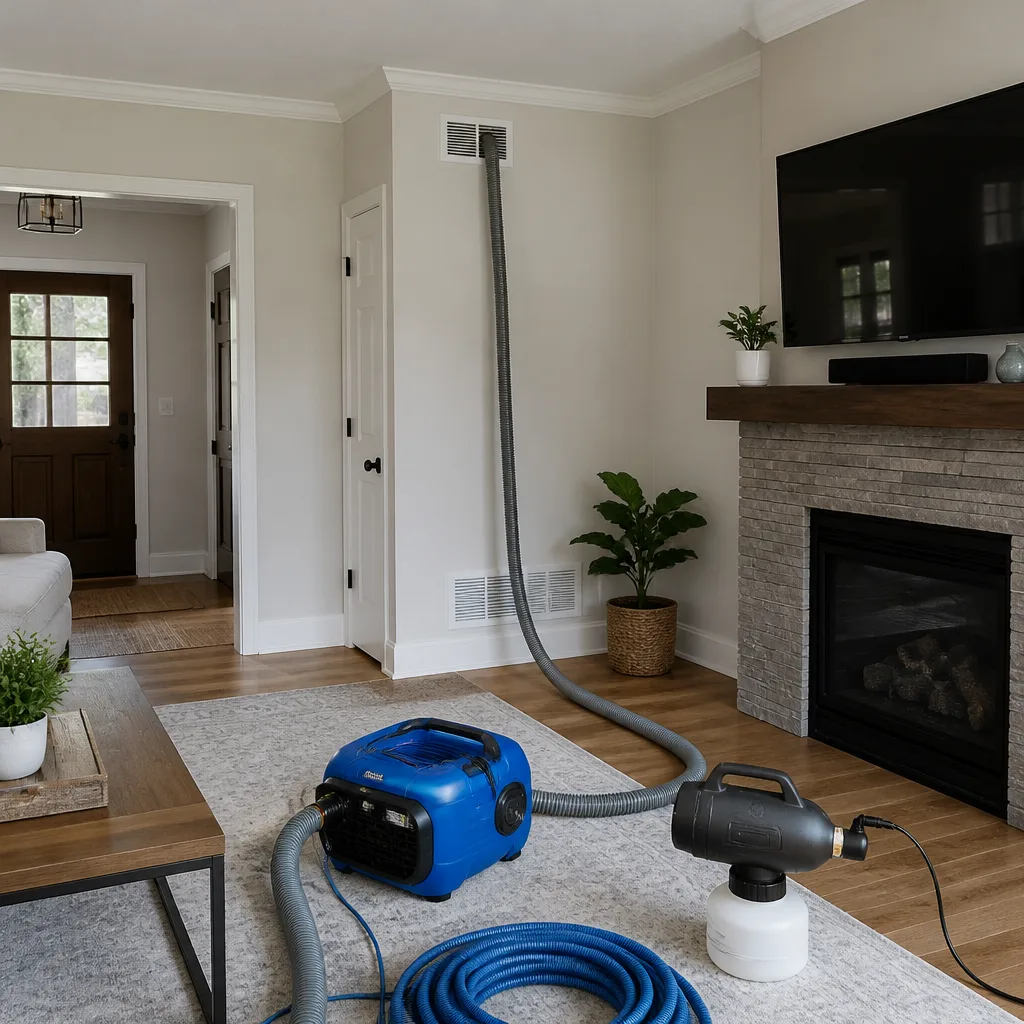 Sanitizing & deodorizing
Whole-system duct and dryer vent check with before-and-after photos - you see exactly what came out of your vents
That "$99 whole-house special" is a bait ad - the real number appears once they are in your hallway, or the "clean" is a shop-vac at the register. We photograph the inside of your ducts before and after instead.
The Complete Guide to Air Duct Cleaning in Nampa
Most homeowners assume dusty vents mean the ducts are dirty. That’s backwards. The dust you see at a register is the small fraction that escaped; the rest settles inside the duct walls, in the joint seams, and along the flex runs you can’t reach. In Nampa, that difference matters more than in most places, because a large share of the local housing stock went up during a construction boom, and boom-era ductwork was installed fast. This guide explains what a thorough mechanical cleaning actually involves, why equipment matters, and what you should expect to receive when the job is done. It’s written for people who want to understand the work, not just book it.
Quick Answer
Air duct cleaning in Nampa removes accumulated dust, construction debris, and agricultural and wildfire particulate from the entire duct system, including supply runs, return runs, plenum boxes, registers, and the air handler cabinet. A thorough job uses negative-pressure HEPA extraction combined with rotating contact brushes to scrub and capture debris, not just blow air around. You should expect a written before-and-after record and a system condition note flagging any damaged or disconnected ductwork.
Styles & brands we work with
- Whole-home duct cleaning
- Dryer vent cleaning
- Camera inspection
- Sanitizing & deodorizing
Table of Contents
- Why Nampa’s Construction Era Changed the Duct Cleaning Job
- How Mechanical Duct Cleaning Actually Works
- What a Full-System Clean Covers
- How Nampa’s Climate and Farmland Load Ducts Faster
- What You Should Receive When the Job Is Done
- A Numbered Walkthrough of a Proper Inspection
- Why Dryer Vent Cleaning Is a Separate Job
- Duct Repair Versus Duct Cleaning
Why Nampa’s Construction Era Changed the Duct Cleaning Job
Nampa grew faster than nearly any city in Idaho over the past decade, and the pace of that growth shaped the ductwork sitting in thousands of local homes today. When builders are racing schedules, flex duct gets pulled tight around corners, supported at wider intervals than it should be, and joined with a strip or two of tape rather than a proper seal. None of that is visible from a register, and none of it fails loudly. It fails quietly by collecting debris in exactly the places a vacuum can’t reach.
That’s the practical consequence. On older rigid-metal systems, sagging and joint separation show up differently: the seams open gradually and dust loads into the duct wall in a fairly even layer. Boom-era flex systems trap dust differently. The inner liner of flex duct has ridges and corrugations, and debris packs into those ridges. If the run sags because it’s under-supported, dust settles at the low point in a drift that a standard vacuum pass skims right over.
Here’s what we look for in Nampa homes that came out of the construction boom:
- Under-supported flex runs. Flex duct should be supported at regular intervals. When it isn’t, it sags, and the sag becomes a debris trap.
- Untaped or poorly taped joints. A joint that’s taped but not sealed lets conditioned air leak into a crawlspace or attic, which pulls dirt in at the leak.
- Compressed flex at tight turns. When a run is bent too sharply, the duct pinches. Airflow drops and dust accumulates at the pinch point.
- Construction dust left behind. Drywall dust, sawdust, and framing debris settle into new ductwork during construction and then get pulled through the system for years.
- Disconnected runs. A run that’s popped loose at a boot or plenum dumps air into the wall cavity rather than the room.
This is why equipment choice matters more in Nampa than it does in a city with a mostly pre-war housing stock. You can’t clean a sagging corrugated flex run by waving a shop vacuum at the register. You need a brush that physically contacts the duct wall, and you need negative pressure holding the debris captive while you do it. That’s the standard we hold ourselves to at Nampa Duct Cleaning, and it’s the distinction this whole guide comes down to.
How Mechanical Duct Cleaning Actually Works
The single biggest quality gap in this trade is between contact cleaning and air-only cleaning. Contact cleaning uses a rotating brush or whip that physically scrubs the interior duct wall as it advances down the run, dislodging debris that has bonded to the surface. Air-only cleaning, by contrast, uses compressed air or a vacuum nozzle to disturb what’s loose and pull it toward the collection point. Air-only methods leave adhered debris in the joint seams and along corrugated flex duct, because a stream of air doesn’t generate the mechanical force needed to break that bond.
Negative pressure is the second half of the equation. Before any brush goes into a run, a HEPA-rated industrial extraction unit is connected to the system so the whole duct network is held under negative pressure. That means every bit of debris the brush loosens gets pulled toward the collection unit rather than pushed out into the living space. This is standard containment practice in professional remediation, which is why we run Abatement Technologies equipment on duct jobs: it’s the same class of HEPA containment and negative-air machinery used in remediation work, and it’s what keeps the process clean rather than merely looking clean.
In practice, a mechanical clean on a typical Nampa home runs through these stages:
- Set negative pressure. The extraction unit connects to the system and the whole duct network is drawn under vacuum before any agitation begins.
- Cut access points where needed. Small access holes are opened at the plenum and at strategic points along longer runs, then resealed after cleaning.
- Run rotating brushes through each branch. A rotary brush system advances down each supply and return run, scrubbing the duct wall as it goes.
- Agitate the trunk and plenum. Larger-diameter trunk lines and plenum boxes are cleaned with a combination of brush and high-velocity air under continued negative pressure.
- Clean the air handler cabinet. The interior of the air handler and the blower compartment are wiped and vacuumed, since debris accumulated there gets redistributed the moment the system runs again.
- Pull and clean every register. Supply and return registers and grilles are removed, cleaned, and reinstalled.
- Verify and document. The system is inspected with a camera, any structural issues are noted, and before-and-after documentation is prepared.
That’s the real job. Anything shorter is a vacuum pass dressed up as a cleaning. If you want the service-level overview, you can read more about air duct cleaning on our service page, but the mechanics above are what should actually happen in your home.
What a Full-System Clean Covers
A full-system clean means the entire air pathway, not just the trunk lines you can see from the furnace room. Plenty of low-cost duct cleanings stop at the accessible trunk and call it done, which leaves the majority of the system untouched. Here’s what a complete scope covers:
- Supply lines. Every branch run feeding a register, from the plenum to the boot. On Nampa homes with corrugated flex, each run needs individual brush contact.
- Return lines. The return side typically carries more dust than the supply side because it’s pulling from the living space at higher volume. It gets the same brush-and-extraction treatment.
- Plenum boxes. The supply and return plenums are the transition points between the air handler and the duct network. Debris accumulates here heavily and is often skipped.
- Registers and grilles. Removed, cleaned, and reinstalled. Cleaning around a register without removing it leaves a dust ring that returns within weeks.
- Air handler cabinet. The blower compartment and cabinet interior. Dust here redeposits into the ducts on the next heating cycle if it’s not removed.
- Access points resealed. Any access holes cut during the job get properly sealed afterward, not left as an unsealed gap.
If a quote doesn’t mention plenum boxes, the air handler cabinet, or return lines specifically, ask. In our experience, that’s usually where the scope is being trimmed to hit a low headline price. A clean that skips the plenum isn’t a full-system clean; it’s a partial clean with a full-price label.
How Nampa’s Climate and Farmland Load Ducts Faster
Nampa sits in the Treasure Valley, surrounded by Canyon County farmland, and that geography has a direct effect on how fast your ducts load up. Agricultural dust from surrounding fields, combined with the valley’s dry summers, means more airborne particulate enters the return side than in a wetter, more heavily forested region. Add seasonal wildfire smoke, which has become a recurring summer feature across the Intermountain West, and the particulate load on a Nampa duct system runs higher than the national “every three to five years” guidance assumes.
That national interval isn’t wrong so much as it is generic. It was never adjusted for a valley that produces agricultural dust for months and then catches smoke plumes for weeks at a time. Here’s how the local cycle tends to break down:
- Spring and early summer. Field work and wind lift agricultural dust. The HVAC system, running in cooling mode, pulls it in through the return.
- Mid to late summer. Wildfire smoke adds fine particulate that’s small enough to bypass basic filtration and settle deep in the duct system.
- Fall and winter. Heating season runs the blower more hours per day, redistributing whatever has accumulated. This is when homeowners notice dust at the registers and increased allergy symptoms.
For a Nampa home with pets, children, or an allergy sufferer in the household, that cycle argues for an inspection earlier than the generic three-to-five-year mark suggests. Inspection is the right first step, not an automatic cleaning. A camera inspection tells you whether the ducts are actually loaded or whether the issue is filtration. And filtration is worth talking about, because we stock and install Honeywell and Aprilaire air-quality products, which means upgrading a filter or adding humidity control can happen in the same visit as the inspection rather than as a separate project.
Wildfire smoke deserves its own note. Fine smoke particulate that settles into ductwork doesn’t always come out with a standard clean, and it’s one of the reasons we run HEPA-rated extraction rather than a standard vacuum. If you’ve been through a heavy smoke season and the house still smells faintly of it weeks later, that’s a sign the particulate is sitting in the system rather than in the air.
What You Should Receive When the Job Is Done
A thorough cleaning leaves you with something you can hold: documentation. If a technician packs up and hands you a verbal “all done,” you’ve been given no way to verify the work happened or to know what condition your system is in. That’s the bait-and-switch gap in this trade, and documentation is the answer to it.
Here’s what should be in your hands at the end of a proper job:
- Before-and-after photos. Images of your own ducts, not stock photos. Interior shots of a trunk line or a return run before cleaning and after are the clearest evidence the work was done.
- A written system condition note. A plain-language record of what was found: debris levels, any damaged runs, any disconnected joints, any filtration issues.
- Flagged structural issues. If a run is collapsed, leaking at a joint, or disconnected at a boot, it should be written down and shown to you, not mentioned in passing.
- A clear scope record. What was cleaned (supply, return, plenum, air handler, registers) and what, if anything, was left for a repair visit.
The one flat price per system should also be settled before work begins, based on the written estimate. That means the price you’re quoted is the price for the whole system, not a per-vent figure that climbs as the technician opens more registers. If a quote is structured per-vent, ask what the whole-system number is, and get it in writing. The estimate sets the final price, and it’s free.
A Numbered Walkthrough of a Proper Inspection
If you’ve never had your ducts inspected, it helps to know what the process actually looks like so you can judge whether it’s being done right. Here’s the sequence a proper inspection follows:
- Walk the system first. Locate the air handler, count the supply and return registers, and identify whether the ductwork is rigid metal, flex, or a mix. In Nampa, a mix is common.
- Open the air handler cabinet. Check the blower compartment and the filter slot. A clogged filter, a filter that’s the wrong size for the slot, or a filter bypass gap all cause dust loading downstream.
- Run a camera down representative runs. A camera inspection of the main trunk and a few branch runs shows actual debris levels. This is where an honest inspection can conclude that cleaning isn’t necessary yet.
- Check joint integrity. Look for gaps at flex connections, tape that’s failed, and boots that have separated from the floor or wall. These are the repair items.
- Check support and routing. Sagging flex runs and sharp bends are both common in construction-era Nampa homes. Both restrict airflow and both trap debris.
- Confirm the return path. Make sure every return register is actually connected to a return duct. A return grille that vents into a wall cavity is a common find and a significant efficiency problem.
- Write it all down. The findings become the condition note, and the cleaning scope is built from them.
That’s an inspection. If someone arrives, glances at the register, and declares the ducts dirty without a camera or a look inside the air handler, you haven’t had an inspection. You’ve had a sales call.
Why Dryer Vent Cleaning Is a Separate Job
Your dryer vent is not part of your HVAC system, and it shouldn’t be treated as an add-on. The dryer vent carries hot, moist, lint-laden air out of the house, and lint accumulation in the vent line is a genuine fire risk, not a theoretical one. A cleaning that runs a vacuum through the HVAC ducts does nothing for the dryer vent, and vice versa.
We handle dryer vent cleaning as a dedicated service, with the same professional-grade equipment used on ductwork and the same discipline about verifying the full run is clear from the dryer connection to the exterior termination. If the vent terminates through a roof or a long wall run with multiple elbows, that’s where lint stacks up fastest, and it’s where a proper cleaning matters most. If you’re booking a duct cleaning anyway, it makes sense to have the dryer vent checked in the same visit, since both jobs share equipment and access. But they’re separate jobs, and a thorough one of each is worth more than a rushed one of both.
Duct Repair Versus Duct Cleaning
Cleaning removes what’s inside the duct. Repair fixes the duct itself. They’re different jobs, and most single-trade duct cleaners only do the first one. That gap is a problem, because a cleaning on a duct system with a collapsed run or a disconnected joint is a temporary fix at best: the leak pulls new dust in, and the collapsed run still can’t deliver air to the room it’s supposed to serve.
Duct repair covers the structural problems cleaning can’t touch:
- Collapsed runs. Flex duct that has crushed under insulation or been pinched at a bend needs to be replaced or re-routed.
- Leaking joints and seams. Failed tape, unsealed connections, and gaps at the plenum get sealed properly.
- Disconnected boots and runs. A supply boot that’s separated from the floor or wall gets reconnected and sealed.
- Poorly supported flex. Sagging runs get properly supported so they stop acting as debris traps.
This matters in Nampa specifically because of the construction-era housing stock. The same shortcuts that make boom-era ductwork accumulate debris faster also make it more likely to have a structural problem hiding in a crawlspace or attic. A full inspection finds both. If we find a gap, a collapse, or a disconnected run during a cleaning, we fix it rather than documenting it and deferring it to someone else. Guardsman sealing products are part of what we carry for that work, alongside the Honeywell and Aprilaire air-quality line. If you want the repair-specific detail, the Nampa service overview covers the local scope.
Common Mistakes to Avoid
- Hiring on price alone. A very low headline price usually means a trimmed scope: trunk lines only, no plenum, no air handler cabinet, and no camera inspection. Ask exactly what’s included before you book.
- Accepting air-only cleaning. A vacuum pass without rotating brush contact leaves adhered debris in the joint seams and along corrugated flex runs. Ask what equipment will be used on your ducts specifically.
- Ignoring the air handler cabinet. Cleaning the ducts while leaving a dust-loaded blower compartment means the system redeposits debris on the first heating cycle. It’s part of the scope or it isn’t a full clean.
- Skipping the inspection. Camera inspection should come first, and it should be able to conclude that cleaning isn’t needed yet. A company that always finds the ducts dirty isn’t inspecting.
- Treating dryer vent cleaning as optional. Lint in the vent line is a fire risk, and it’s a separate job from HVAC duct cleaning. Have it checked.
- Letting a repair get deferred. A collapsed flex run or a disconnected boot doesn’t fix itself with cleaning. If a structural problem is found, it should be addressed, not just noted.
- Believing the three-to-five-year rule applies here. Canyon County agricultural dust and seasonal wildfire smoke load Nampa ducts faster than the generic national interval assumes. Base the interval on inspection, not on a generic number.
See the difference
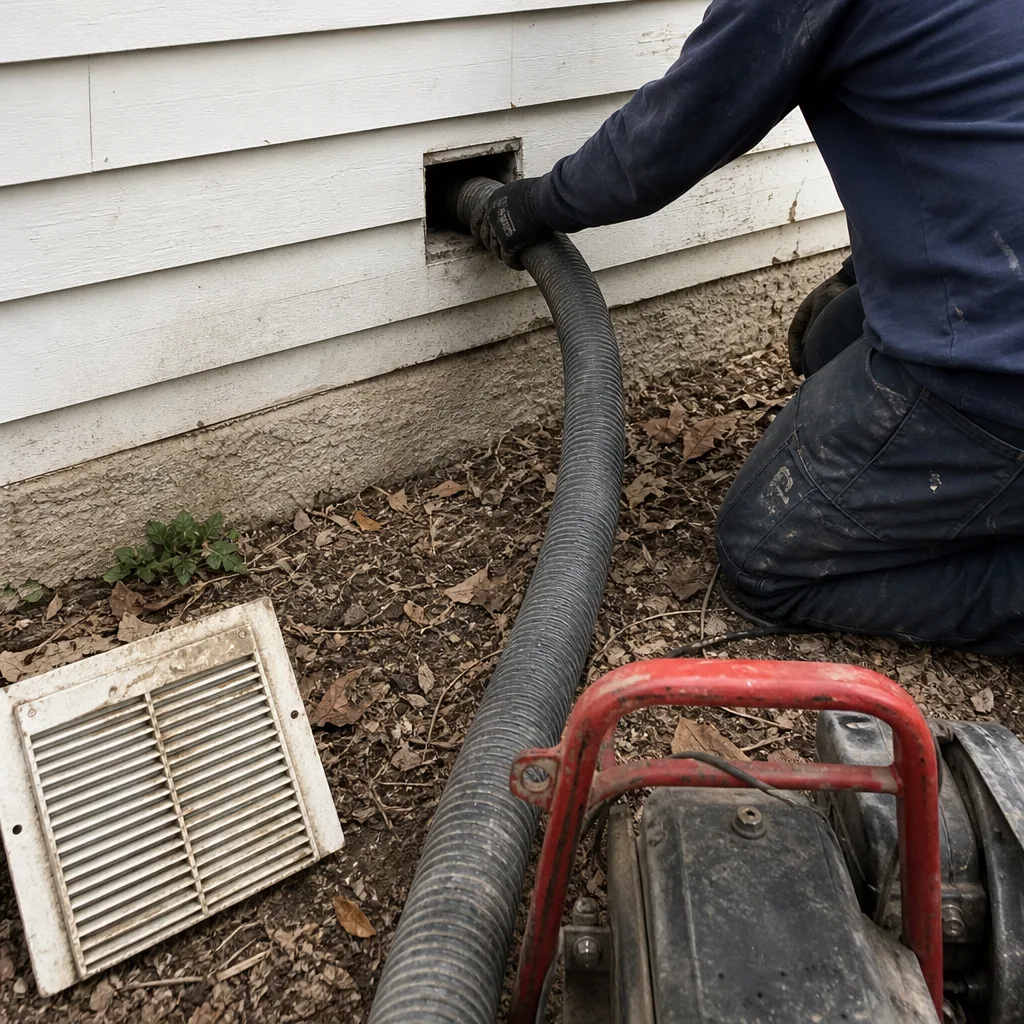 Before
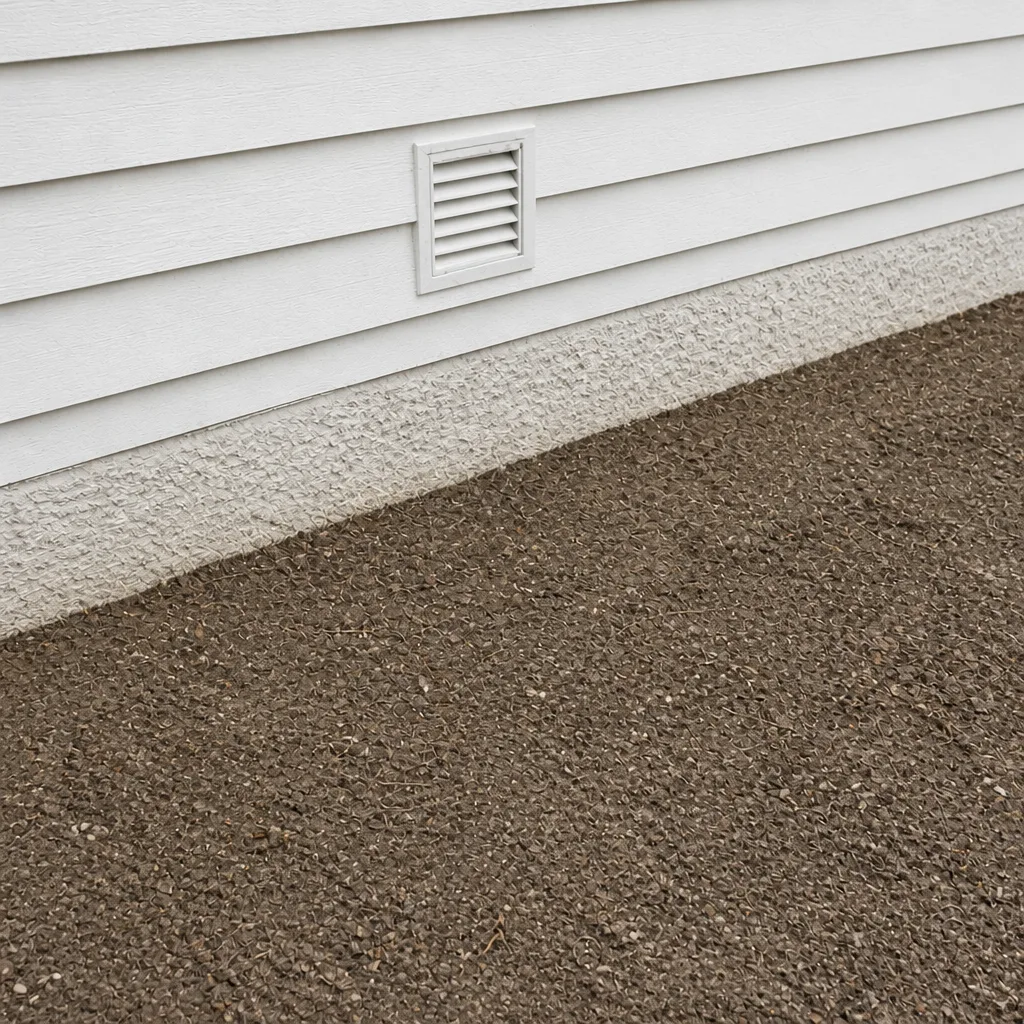 After
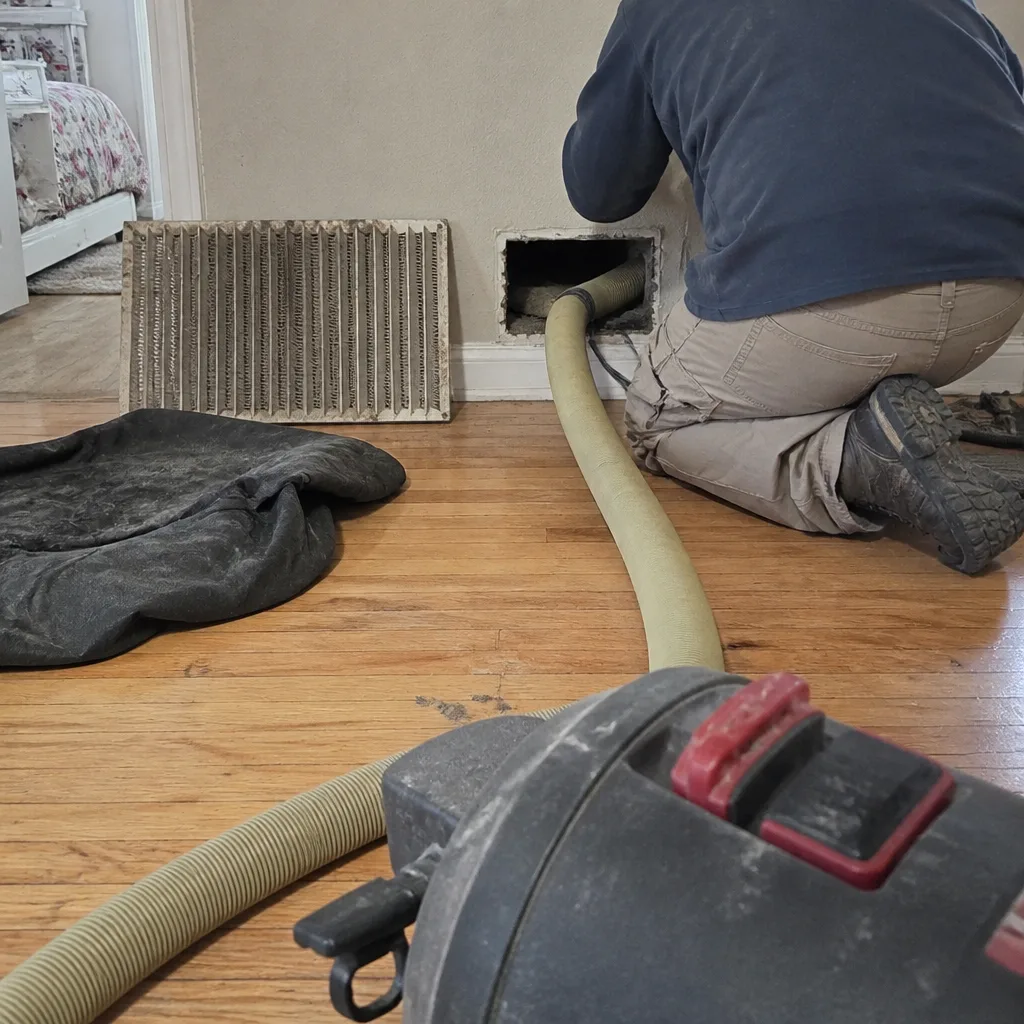 Before
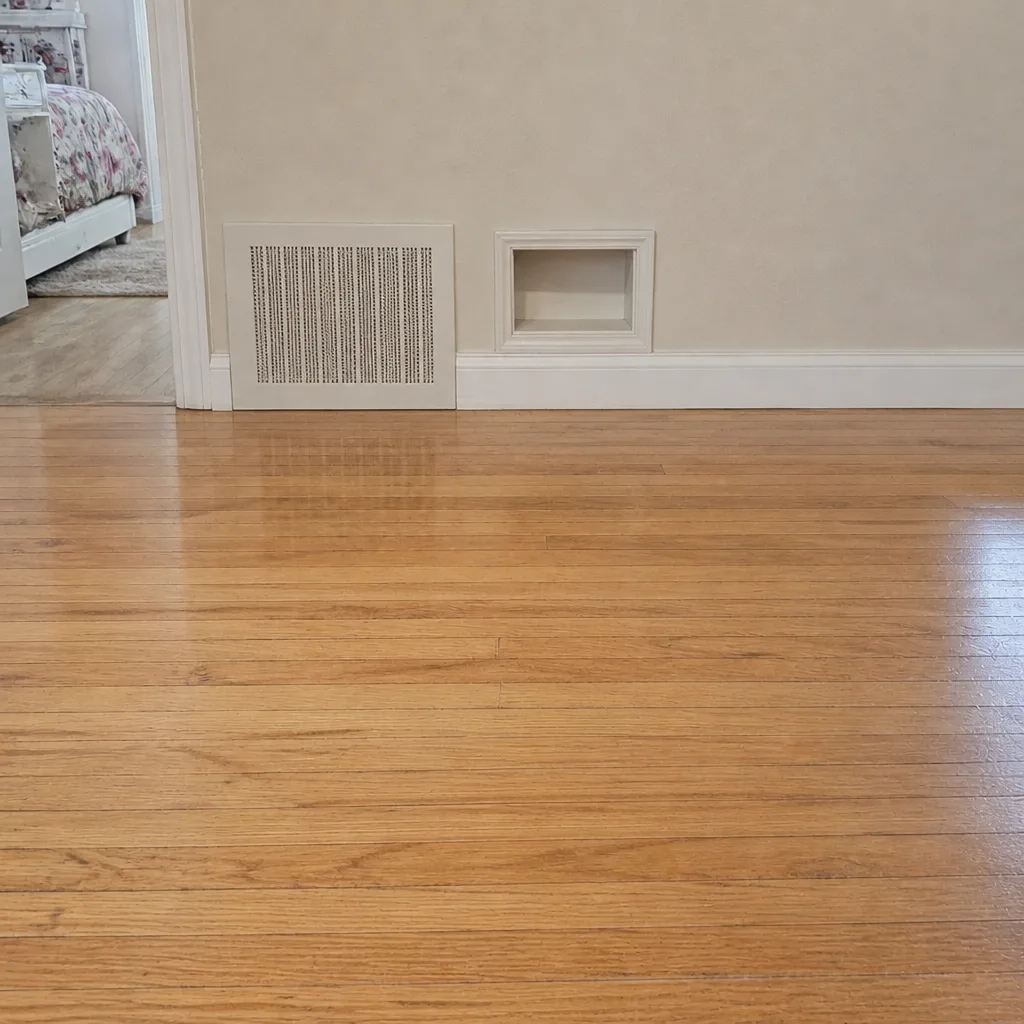 After
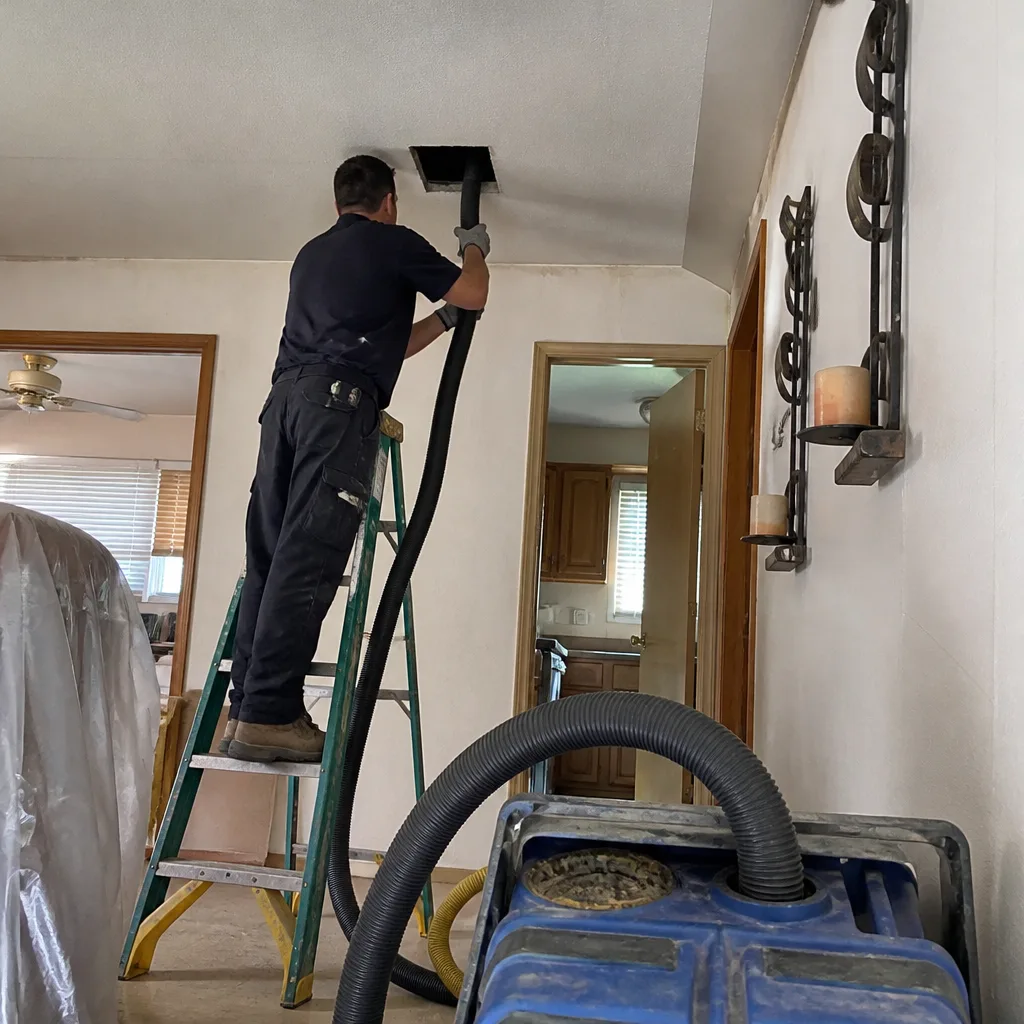 Before
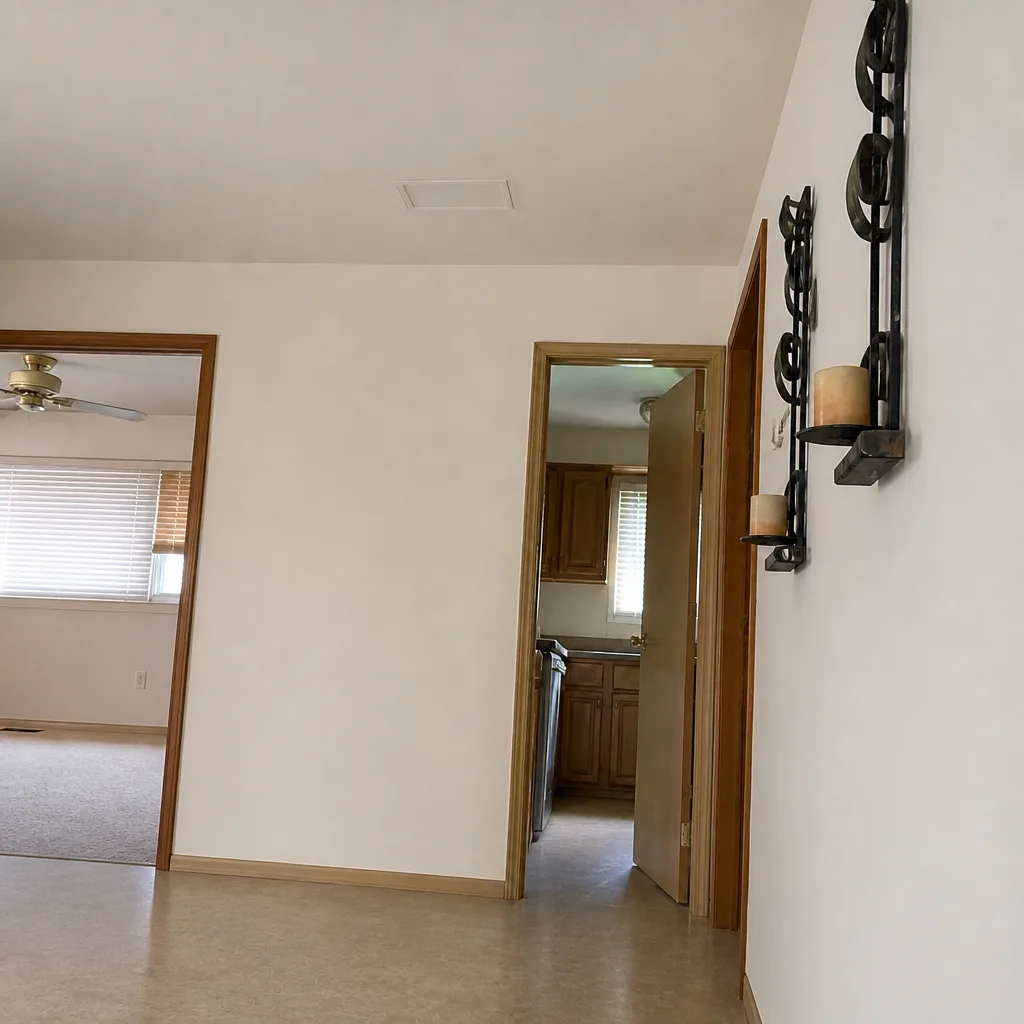 After
When to Call a Professional
Some signs point clearly to a professional inspection. Visible dust puffing from a register when the system starts, a persistent musty or smoky smell that returns after you clean the house, allergy symptoms that worsen indoors during heating season, or a noticeable drop in airflow to certain rooms all warrant a look. So does a recent move into a construction-era home where you don’t know the duct history. And if you’ve never had the ducts inspected, a one-time camera inspection is the right starting point, not an automatic cleaning.
Nampa Duct Cleaning offers free estimates in Nampa. Our technicians have up to 13 years of experience, and we use Rotobrush and Nikro rotary-brush extraction systems with Abatement Technologies HEPA containment on every job. Call (833) 842-1697. We answer 24/7. Fast dispatch from 7am to 7pm, Sunday through Friday.
Frequently Asked Questions
Pricing is per job and set by a written estimate after an inspection, because a home with a single trunk and six registers is a very different job from a two-story with multiple zones and a long return run. We don’t quote a per-vent price, and the estimate you receive is for the whole system, so the number doesn’t climb as more registers are opened. The estimate is free, and it sets the final price. Call (833) 842-1697 for an exact quote. We answer 24/7. Fast dispatch from 7am to 7pm, Sunday through Friday.
Cheap quotes are usually scope-trimmed quotes: trunk lines only, no plenum, no air handler cabinet, no camera inspection, and often air-only cleaning rather than mechanical brush contact. What looks like a bargain up front can turn into a much larger invoice on site, or into a clean that leaves most of the system untouched. The honest answer is to compare scope, not headline price. Call (833) 842-1697 and we’ll walk you through what a full-system clean includes for your home.
You should receive before-and-after photos of your own ducts, a written system condition note, and a record of any structural issues found. Photos of your ductwork taken before and after cleaning are the clearest evidence, and you shouldn’t have to ask for them. Call (833) 842-1697 to book an inspection and see the documentation for yourself.
Inspection matters more than a fixed interval, and for Nampa homes the generic three-to-five-year guidance tends to be optimistic because of Canyon County agricultural dust and seasonal wildfire smoke. A camera inspection tells you what your system actually holds. For homes with pets, young children, or an allergy sufferer, checking earlier is reasonable. Call (833) 842-1697 to schedule an inspection.
Yes. Duct repair is a named service, not a referral. If an inspection or a cleaning turns up a collapsed flex run, a leaking joint, or a supply boot that’s separated from the floor, we can fix it on-site rather than documenting it and deferring it. Call (833) 842-1697 to discuss what you’re seeing.
We do both, as separate services. Dryer vent cleaning addresses lint accumulation in the vent line, which is a fire risk and has nothing to do with the HVAC system. It’s worth booking alongside a duct cleaning since the two jobs share equipment and access. Call (833) 842-1697 to book both.
The Bottom Line
The difference between a real duct cleaning and a vacuum pass comes down to three things: mechanical brush contact on the duct wall, negative-pressure HEPA extraction holding debris captive, and a scope that covers supply, return, plenum, air handler, and registers. In Nampa, construction-era flex duct and a valley full of agricultural dust and wildfire smoke make that distinction more consequential than the generic interval suggests. Add documentation you can hold and a repair capability for what cleaning can’t fix, and you’ve got a job worth paying for. Call (833) 842-1697 for a free estimate. We answer 24/7. Fast dispatch from 7am to 7pm, Sunday through Friday.
Written by the team at Nampa Duct Cleaning.