
Last updated November 15, 2026
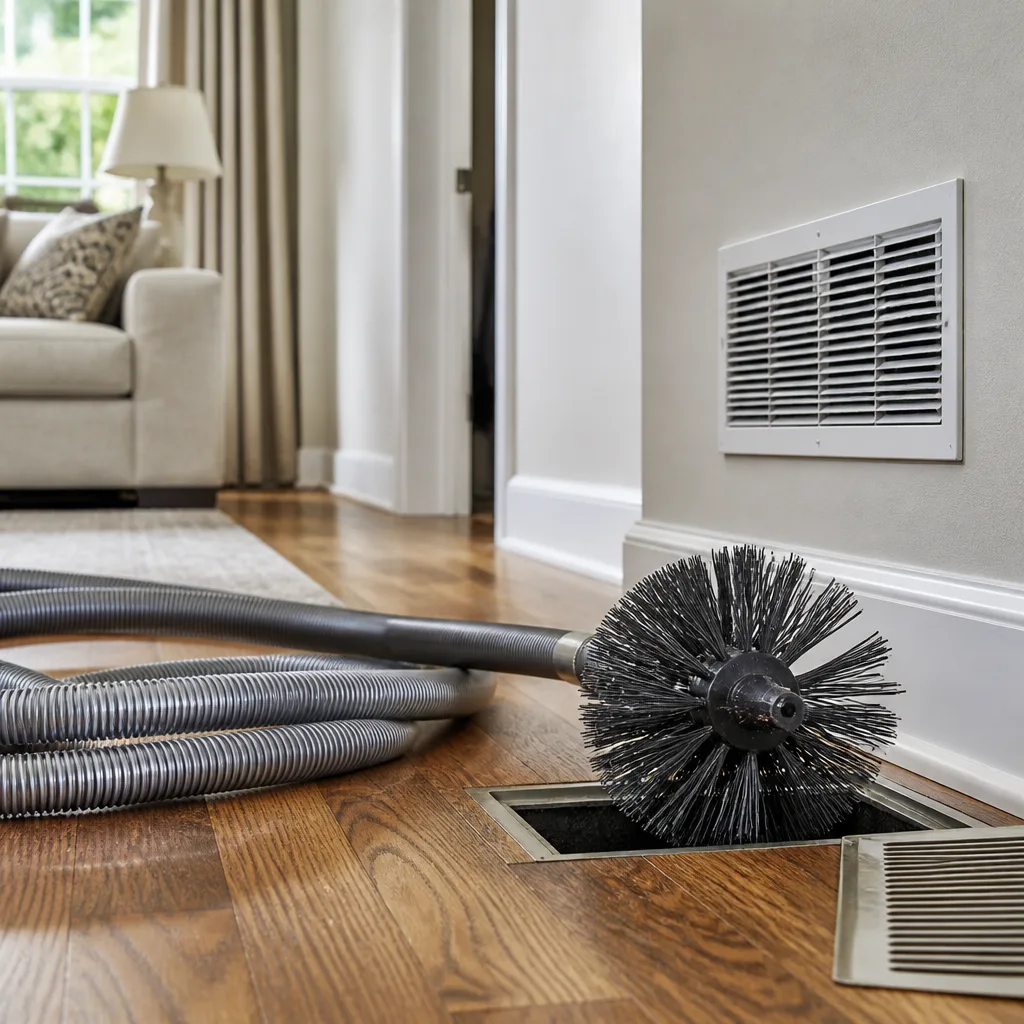 Whole-home duct cleaning
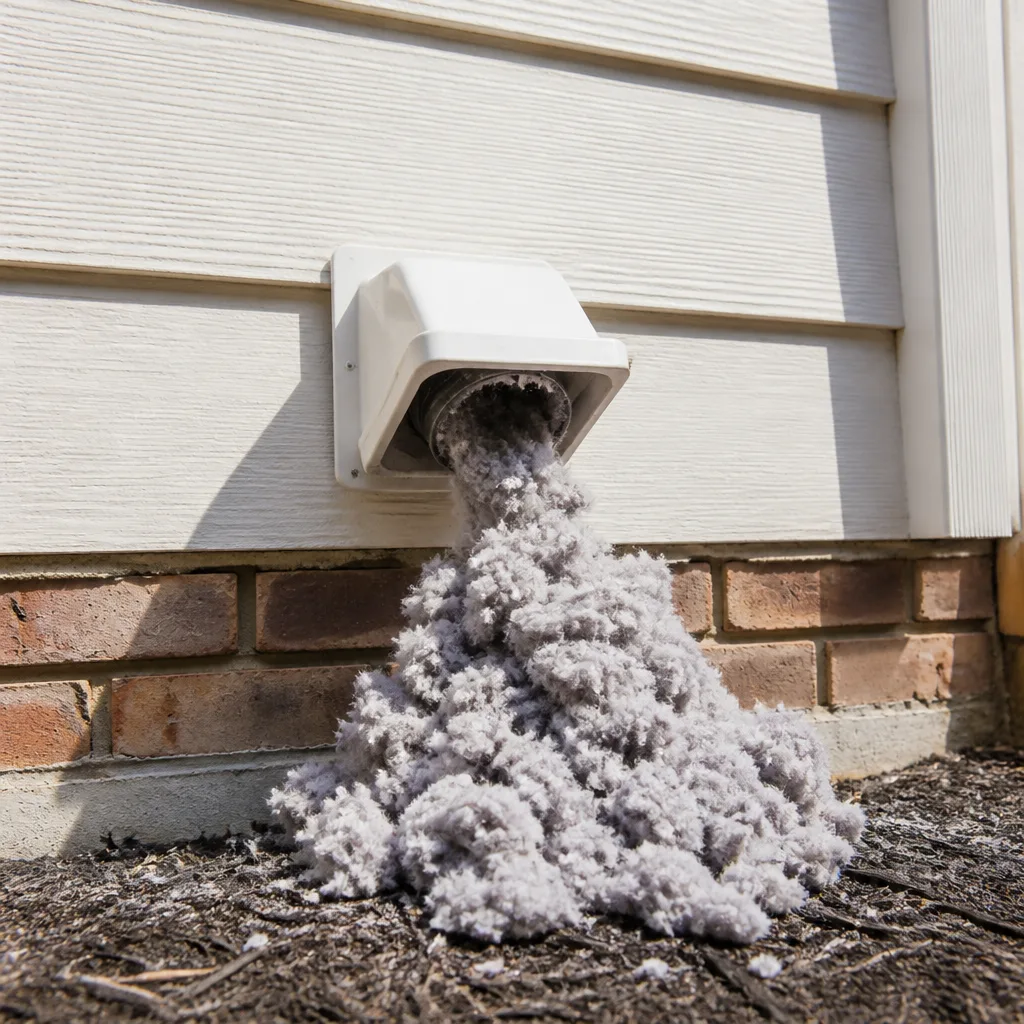 Dryer vent cleaning
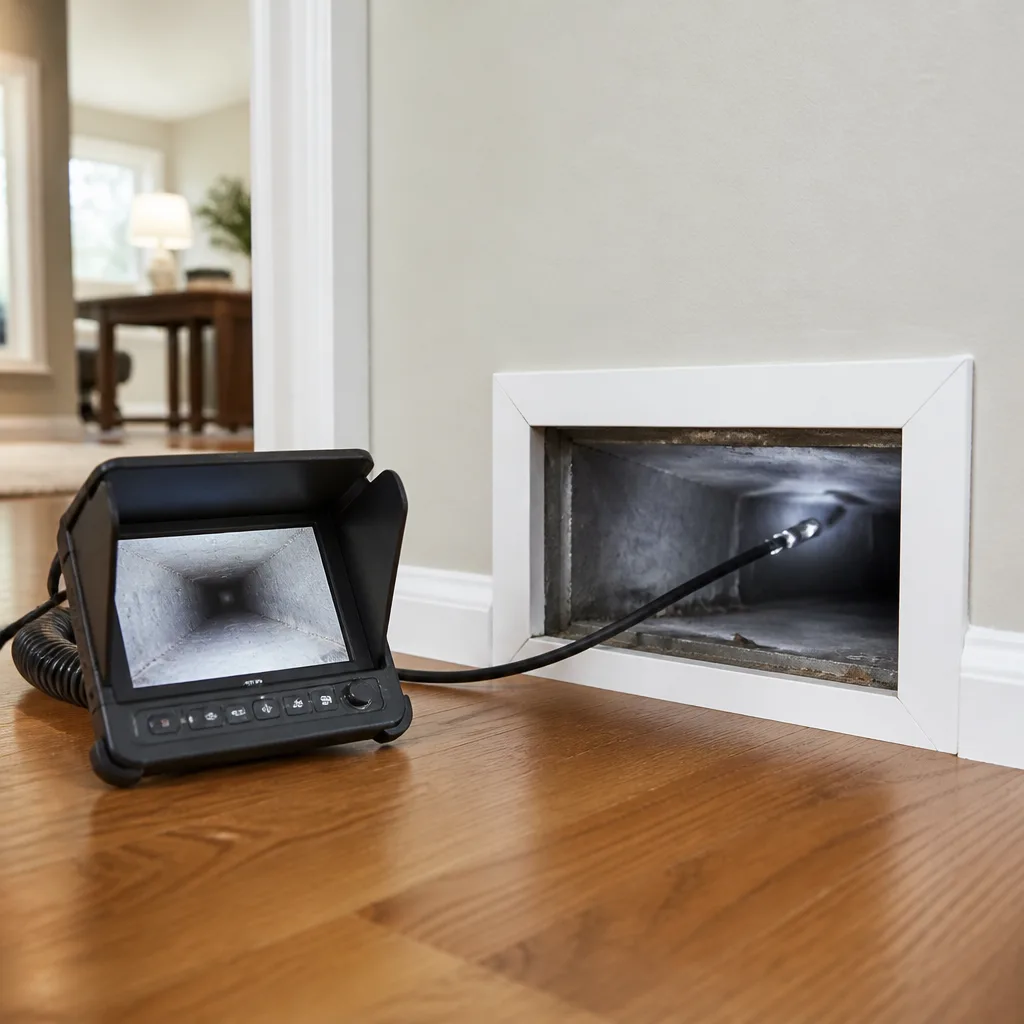 Camera inspection
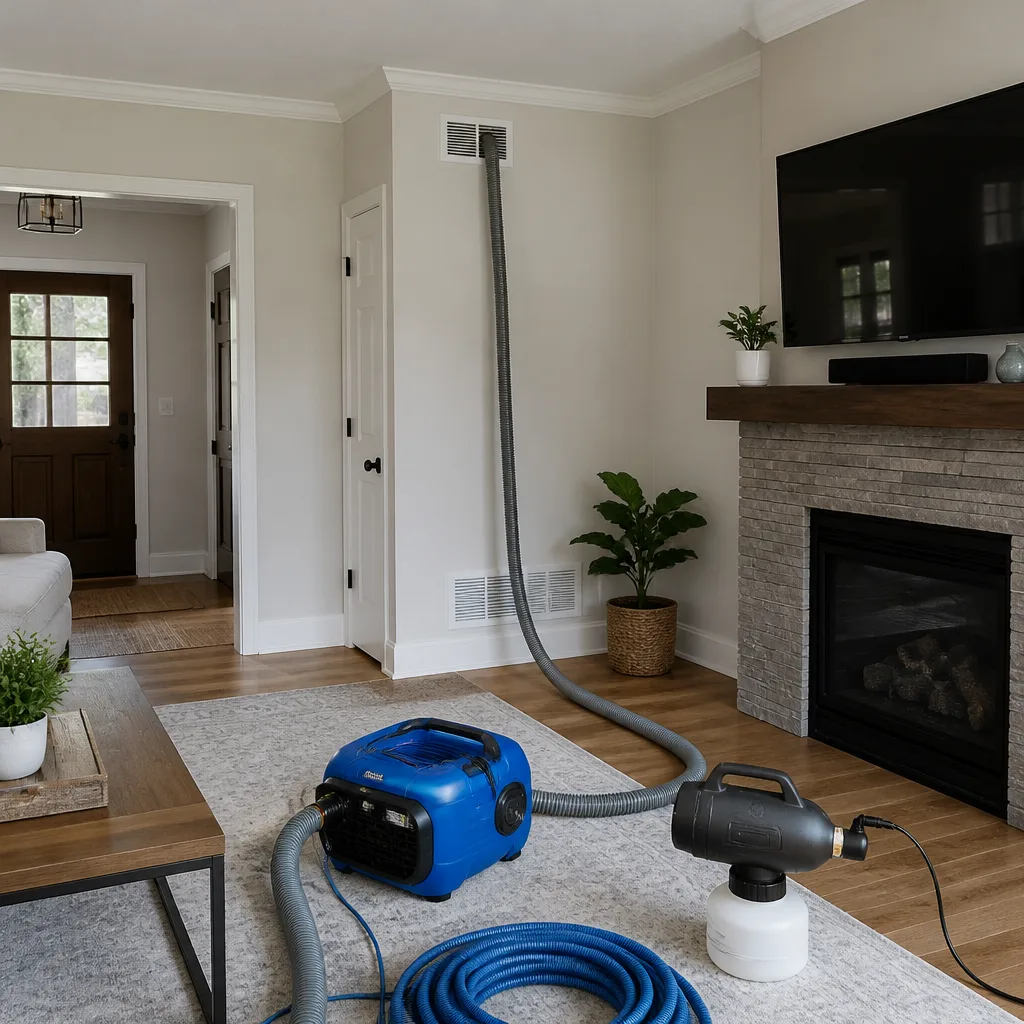 Sanitizing & deodorizing
Whole-system duct and dryer vent check with before-and-after photos - you see exactly what came out of your vents
That "$99 whole-house special" is a bait ad - the real number appears once they are in your hallway, or the "clean" is a shop-vac at the register. We photograph the inside of your ducts before and after instead.
How to Hire an Air Duct Cleaning Contractor in Nampa: A Step-by-Step Guide
Idaho does not require a specialty license to perform duct cleaning. Anyone with a van and a vacuum can legally advertise the service in Nampa, print a coupon, and knock on your door. That’s not a scare tactic. It’s simply the reason the questions you ask before you hire carry more weight here than they do in trades that are licensed, inspected, and bonded by the state. In a regulated trade, the license does some of the vetting for you. In duct cleaning around Nampa, you are the vetting. This guide gives you the exact questions to ask, the equipment specs to look for, the red flags to walk away from, and what a legitimate written quote should contain before a single tool comes out of the van.
Quick Answer
To hire an air duct cleaning contractor in Nampa, ask three things before you book: what the negative-pressure rating of their extraction unit is, whether they use rotary contact brushes (not just air whips), and whether they clean the air handler cabinet along with the duct runs. Get a written quote that lists scope, method, and exclusions. Verify they carry insurance for interior work. And if anyone quotes you a price per vent over the phone without asking about your home’s square footage or system layout, keep looking.
Styles & brands we work with
- Whole-home duct cleaning
- Dryer vent cleaning
- Camera inspection
- Sanitizing & deodorizing
Table of Contents
- Why Duct Cleaning Hiring Works Differently in Nampa
- The Three Equipment Questions Every Nampa Homeowner Should Ask
- What NADCA Membership Means (and What It Doesn’t)
- Red Flags Specific to Low-Quality Operators
- How to Verify Insurance and Damage Protocol
- What Your Written Quote Must Include Before Work Starts
- What a Legitimate Duct Cleaning Job Actually Looks Like
- A Step-by-Step Hiring Checklist for Nampa Homeowners
Why Duct Cleaning Hiring Works Differently in Nampa
In most states, trades like electrical and plumbing require licensure, continuing education, and a paper trail you can check before anyone enters your home. Duct cleaning isn’t one of them. Idaho has no specialty licensing framework for it, which means the barrier to entry is essentially the cost of a van and a machine. That reality shapes how you should evaluate contractors in Nampa.
The physical environment here makes the stakes a bit higher than homeowners often assume. Nampa sits in the Treasure Valley, where summers bring sustained heat and dry air, and where late-summer wildfire smoke from surrounding regions regularly settles into the valley. When the air outside is thick with particulate, a sealed, clean duct system and a properly sized filter are what keep the indoor air distinct from the outdoor air. A duct system with disconnected runs, gaps at the plenum, or a filter that hasn’t been changed in two years works against you when you need it most.
Those conditions don’t automatically mean every Nampa home needs duct cleaning. What they do mean is that the difference between a legitimate cleaning and a cosmetic vacuum job actually shows up in your indoor air, not just in your invoice. In a market where anyone can offer the service, being able to tell the two apart is the skill that matters. The rest of this guide is about building that skill quickly.
The Three Equipment Questions Every Nampa Homeowner Should Ask
If you ask a duct cleaning contractor only three questions, make them these. The answers separate companies running professional-grade equipment from companies running a shop vac with a spray-painted logo on the side.
1. What is the negative-pressure rating of your extraction unit?
Negative pressure is what actually holds the debris in the machine instead of letting it drift into your living room. A truck-mounted or industrial HEPA unit creates suction strong enough that when a rotary brush dislodges debris from duct walls, the debris travels toward the machine, not out of the register. Ask for the number or the equipment model. Vague answers (“it’s a big machine”) are a signal. Professional operations run units with published HEPA ratings and real CFM figures, and they’re used to talking about them.
2. Do you use rotary contact brushes?
Air alone doesn’t dislodge what’s stuck to duct walls. Dust, lint, and debris bond to the interior surface over years, and a whip or air-only tool pushes loose material around without scrubbing it free. Rotary brushes physically contact the duct walls, which is why the contact method matters. Ask directly whether they use rotary-brush systems. The best answer will name a brand – Rotobrush, for example, is standard equipment in professional residential duct cleaning – and explain the process without hesitation.
3. Do you clean the air handler cabinet or only the duct runs?
The air handler cabinet, the blower compartment, and the return plenum often hold as much debris as the ducts themselves. A company that cleans only the visible runs and skips the cabinet is doing half the job and leaving the dirtiest half untouched. Ask specifically what they’ll access and clean, and get it in writing. A contractor who says yes without asking about your system layout is either guessing or not being honest about what they’ll do.
The right equipment matters because the wrong equipment is easy to hide. A homeowner watching a technician run a hose won’t know whether the machine is pulling enough negative pressure or whether the brushes are actually contacting the duct. Asking the three questions puts the answer on record before the van pulls up.
What NADCA Membership Means (and What It Doesn’t)
NADCA – the National Air Duct Cleaners Association – publishes a widely referenced standard for assessment, cleaning, and restoration of HVAC systems. Contractors who belong and who follow the standard are committing to a defined process. That’s genuinely valuable, and a NADCA membership is a reasonable positive signal when you’re evaluating a Nampa contractor.
Here’s the part that’s widely misunderstood: NADCA is a trade association, not a licensing authority. Membership is voluntary, it isn’t issued or enforced by any government agency in Idaho, and it does not put a contractor under the same kind of regulatory oversight as a licensed electrician or plumber. A contractor without NADCA membership can still do excellent work. A contractor with it can still cut corners. What membership should do is give you a standard to hold the work against: does the process match up with what NADCA documents for source removal, cleaning verification, and system access?
- What NADCA signals: The contractor has chosen to affiliate with a recognized standard-setting body and can be measured against its published processes.
- What NADCA doesn’t guarantee: That the crew doing your job follows every step, that the equipment on the truck is properly maintained, or that the operator is insured for interior work.
- What to do with it: Use membership as one data point, not the deciding one. The three equipment questions are more reliable in practice than a logo on a website.
In our experience, the contractors who belong to a standards body and can talk fluently about equipment without looking it up are the ones who’ve built their business around process. And the ones who can’t answer the questions are the ones who’ve built theirs around the coupon.
Red Flags Specific to Low-Quality Operators
Most of the warning signs that matter in Nampa duct cleaning are structural. They’re not about demeanor or marketing. They’re about how the business model is set up, and whether that model leads to an honest cleaning or an upsell.
- Per-vent pricing with an upsell path. If the quote is “X dollars per vent,” the number is designed to be a low teaser. Once on site, the technician “finds” problems that require additional charges. The total is whatever the technician decides it is once they’re standing in your hallway. Professional pricing is quoted per system or per job, based on what your system actually is.
- No camera inspection offered. A legitimate inspection uses a camera to see inside the runs before, during, and after cleaning. If a contractor can’t show you what the duct looks like, they can’t honestly tell you whether it needed cleaning or whether it’s now clean. Before-and-after photos should be standard, not a premium service.
- Quotes given without asking about your home. A real quote starts with a few questions: how many square feet, how many returns, what kind of system, any rooms that don’t heat or cool well. A price quoted over the phone sight-unseen is a sales number, not an estimate.
- Air-only cleaning presented as full cleaning. If the equipment list doesn’t include contact brushes and a HEPA-rated vacuum, the “cleaning” is agitation and blow-through. That can make things worse if the system is under negative pressure throughout the job and the debris leaves the registers.
- No mention of duct repair capabilities. If a technician finds a disconnected run, a crushed section, or a gap at a joint, what then? A company that only cleans will tell you what’s wrong and refer you out. A contractor who does duct repair as a normal part of the service can address the problem on the same visit.
- High-pressure sales tactics at the door. Door-knocking sales with a “we’re in the neighborhood today” pitch and a same-hour discount is not how established local crews operate.
Any one of these isn’t automatically disqualifying. Two or three together should be. The pattern is what tells you what the business is built on.
How to Verify Insurance and Damage Protocol
Ask two questions before anyone starts: are you insured for interior work specifically, and what is your protocol if a duct joint separates during cleaning?
The first matters because general liability alone doesn’t always cover interior damage to a home’s ductwork or the spaces it runs through. A contractor’s general liability policy typically responds to third-party bodily injury and property damage on a premises, but whether a separated flexible duct or a crushed return wrapped in drywall falls under that definition depends on the policy. Ask for a certificate of insurance and confirm it names interior work. A legitimate contractor will send this without hesitation.
The second question – the damage protocol – is the one almost nobody asks, and it’s the one that separates real professionals from tire-kickers. Cleaning runs at high negative pressure and involves contact brushes moving through flexible duct. Joints do occasionally separate. A professional will tell you they know that and describe their protocol: stop, inspect, photograph, and repair on site. Our own service includes duct repair for exactly this reason – when we find a gap, a collapse, or a disconnected run, we fix it rather than documenting it for someone else to handle later. That capability is not universal among duct cleaning contractors in Nampa, which is why it’s worth asking about before you hire.
Here is what to request from any contractor before work begins:
- Certificate of insurance showing coverage for interior property damage, not just general liability.
- A written statement of what happens if a duct joint separates or a component is damaged during cleaning.
- Confirmation that the price is set by the written estimate, not by the technician’s on-site judgment.
- Confirmation that before-and-after photos will be provided of your own system.
What Your Written Quote Must Include Before Work Starts
A written quote is where a legitimate contractor’s process is actually visible. If you can’t see it in writing, it doesn’t exist once the technician is on site. For an air duct cleaning job in Nampa, confirm the following appear in the quote before you sign:
- Scope. Which ducts, which components, how many runs, whether the air handler cabinet and blower compartment are included, and how many returns are being cleaned.
- Method. Rotary contact brushes, HEPA-rated negative-pressure extraction, and camera inspection – named specifically, not described in general terms.
- Exclusions. What’s not included. If the quote doesn’t say, ask. If there’s a fee for the exclusion, ask for that number now.
- Repair scope. Whether structural duct repairs are in-scope or referred out. If repairs are needed, are they quoted separately and clearly?
- Final price. Not a range, not a “starting at,” not a per-vent number. One flat price per system that is agreed before work starts and doesn’t change unless you and the contractor agree to add something.
- Photos. Confirmation that before-and-after photos of your own ducts will be provided.
The written estimate sets the final price. Not the technician’s assessment on the day. Not a “while we’re in here” upsell. If a contractor can’t put a firm price per system in writing before the van arrives, that’s the answer to your question about whether to hire them.
What a Legitimate Duct Cleaning Job Actually Looks Like
Understanding what a real job involves helps you spot a shortcut. Here’s the general sequence for a professional residential cleaning, in roughly the order it happens:
- Initial walkthrough and camera inspection. The technician checks the system layout, confirms the air handler, and runs a camera through representative ducts to see what’s there before deciding on scope.
- System depressurization and HEPA containment. A HEPA-rated negative-pressure machine is connected so that the entire system stays under suction during cleaning. This is the same equipment class used in professional remediation because the principle is the same: nothing leaves the system unless it’s captured.
- Rotary contact cleaning. Brushes are run through the main trunk lines and branch runs to physically scrub the interior surfaces. Registers and grilles are removed and cleaned separately.
- Air handler and blower cabinet cleaning. The cabinet, the blower wheel, and the return plenum are addressed. This step is frequently skipped by operators with less capable equipment.
- Post-cleaning camera verification. The technician re-runs the camera and provides before-and-after photos of your own system.
- Filter check and air-quality consultation. Adequate filtration matters as much as clean ducts. Contractors who stock air-quality products from brands like Honeywell or Aprilaire can advise on whether a filtration upgrade makes sense for your home in the same visit.
If a contractor’s job description doesn’t include all of these steps, ask which are excluded and why. The answer is more useful than any review.
A Step-by-Step Hiring Checklist for Nampa Homeowners
Here’s the process in order. Give yourself a few days to work through it rather than booking whoever answers the phone today.
- Get three written quotes. Not phone estimates – written quotes. In Nampa, where licensing isn’t a gate, written quotes are the primary way to compare contractors fairly.
- Ask the three equipment questions. Negative pressure rating, rotary contact brushes, and air handler cabinet cleaning. Note which contractors answer immediately and which deflect.
- Confirm insurance for interior work. Ask for a certificate of insurance. Confirm it covers interior damage, not just general liability.
- Ask for the damage protocol. What happens if a duct joint separates? The answer should be specific and should include on-site repair.
- Verify what the quote actually lists. Scope, method, exclusions, repair scope, final flat price, and photo confirmation. All six items, all in the written quote.
- Search the business name. Reviews and complaints matter more in an unlicensed trade, because no regulator is doing that work for you.
- Book with whoever answers the questions cleanly. Not the cheapest quote. The one that listed method, exclusions, and price in writing before you asked twice.
If you’re also due for dryer vent cleaning, ask about it during the same evaluation. Dryer vent cleaning is a distinct safety service – lint accumulation is a real fire risk – and a contractor running the right equipment can handle both jobs on one visit. That’s one more reason the equipment questions matter: the same machine class that pulls duct debris under negative pressure is what keeps a dryer vent cleaning from pushing lint deeper into the line.
Common Mistakes to Avoid
- Booking the cheapest quote in the mailbox. A low teaser price in Nampa is almost always a per-vent number that becomes a much larger invoice on the day. Ask what the total is in writing, per system, before you book.
- Not asking what happens if something breaks. Joints separate under cleaning pressure. If a contractor has no protocol for that, you’re the one holding the loss. Ask before you hire.
- Hiring whoever knocks on the door. Door-knocking duct cleaning sales are a well-known pattern. Established local contractors don’t need to canvass with a same-day discount.
- Confusing air-only cleaning with contact cleaning. A hose blowing air through a duct is not cleaning. Rotary contact brushes and a HEPA-rated negative-pressure machine are what actually scrub and capture.
- Skipping the air handler cabinet. Cleaning only the visible duct runs and leaving the blower cabinet and return plenum untouched is a partial job. Confirm the cabinet is included before booking.
- Assuming NADCA membership is licensing. It isn’t. It’s a standards affiliation. Valuable, but not a substitute for asking the equipment questions yourself.
- Forgetting the dryer vent. If you’re evaluating a duct cleaning contractor, check whether they also handle dryer vents. It’s the higher fire-risk item in most homes and should be booked in the same visit if it’s overdue.
See the difference
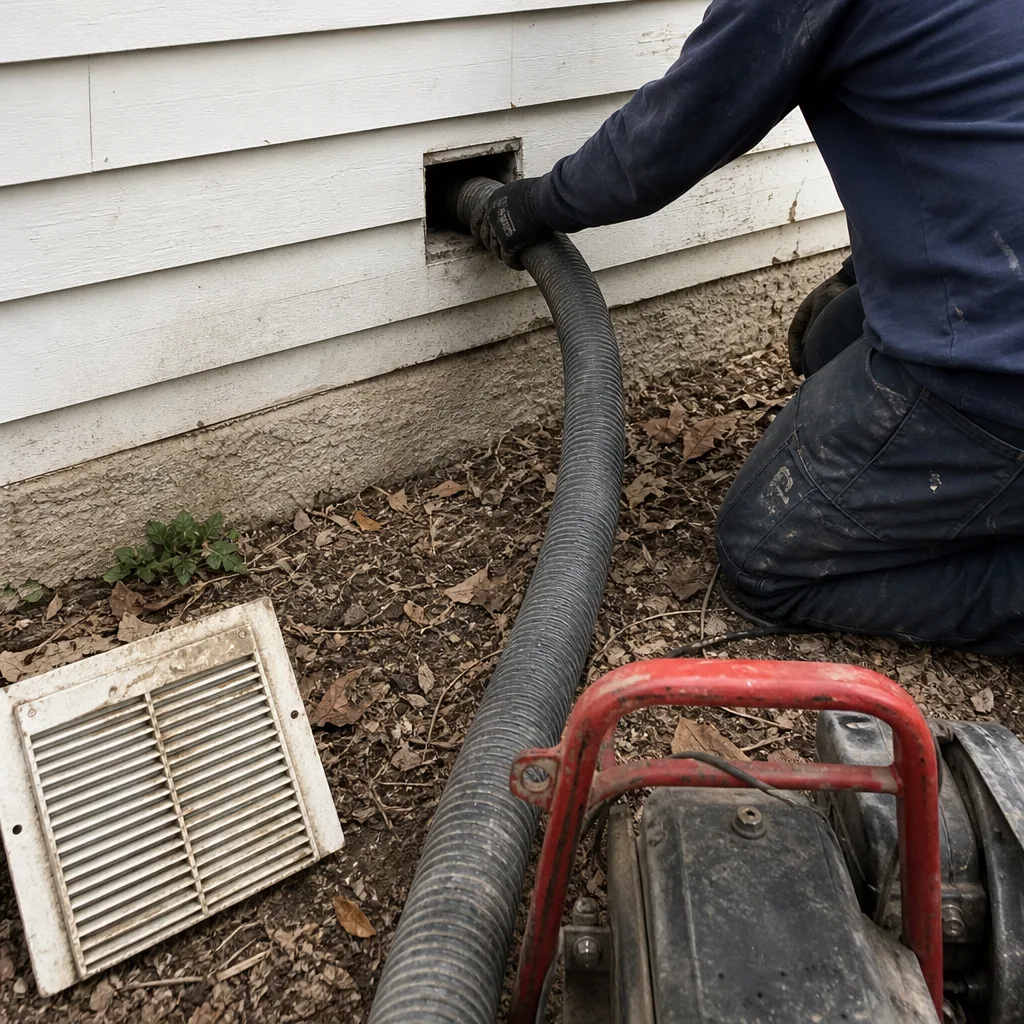 Before
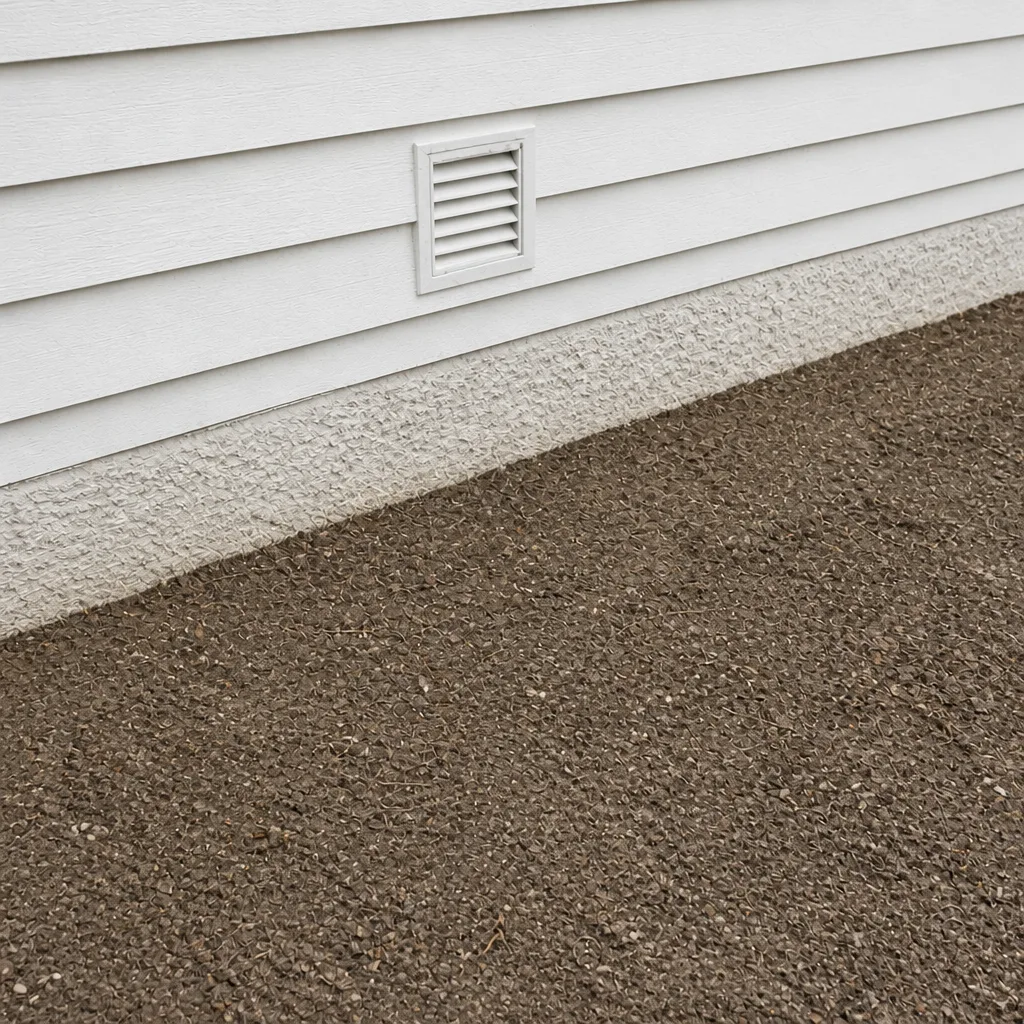 After
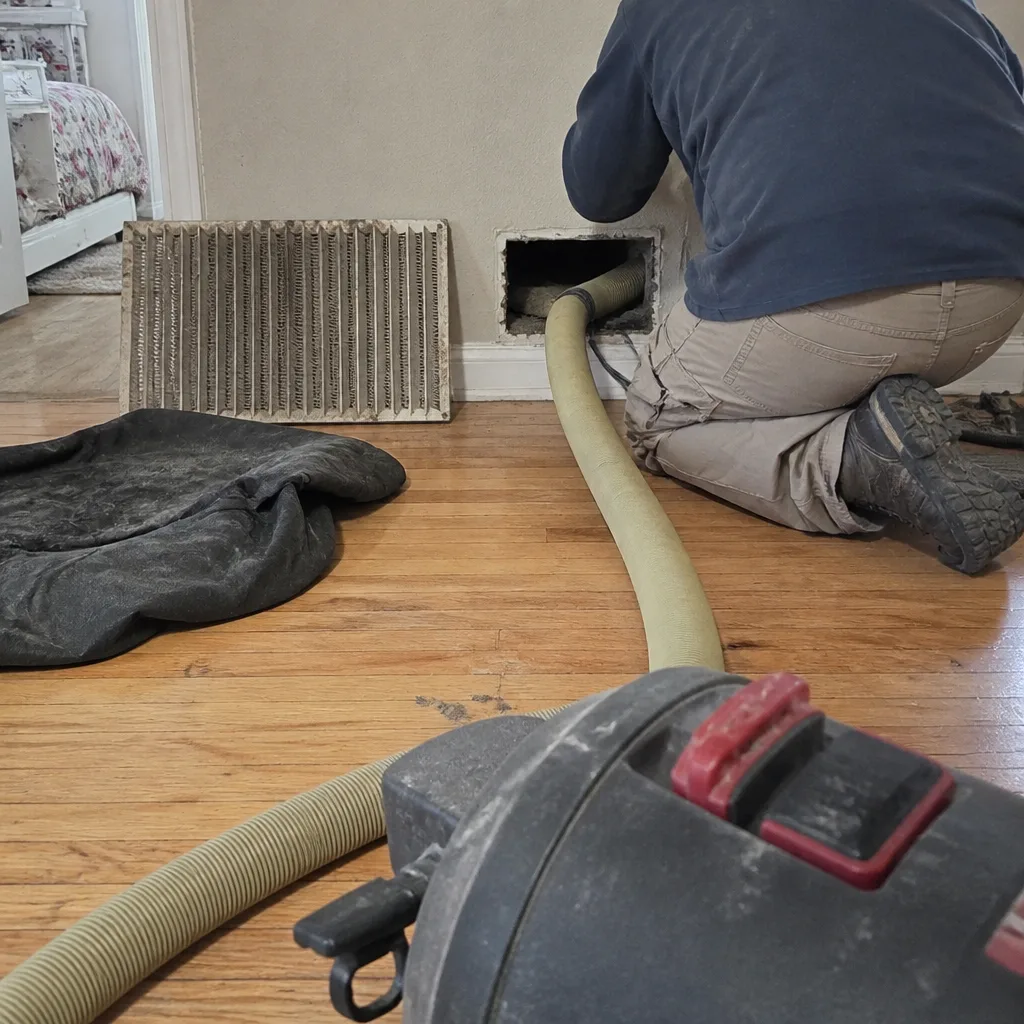 Before
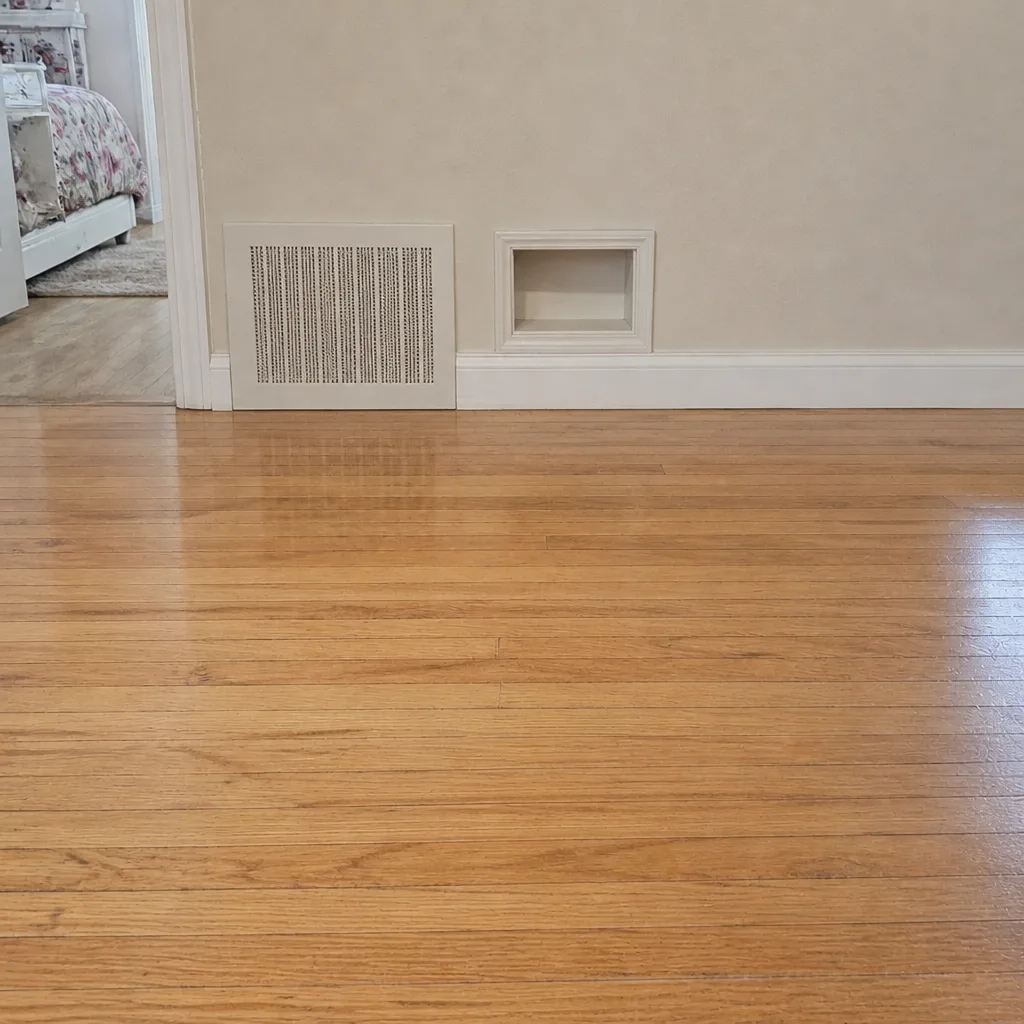 After
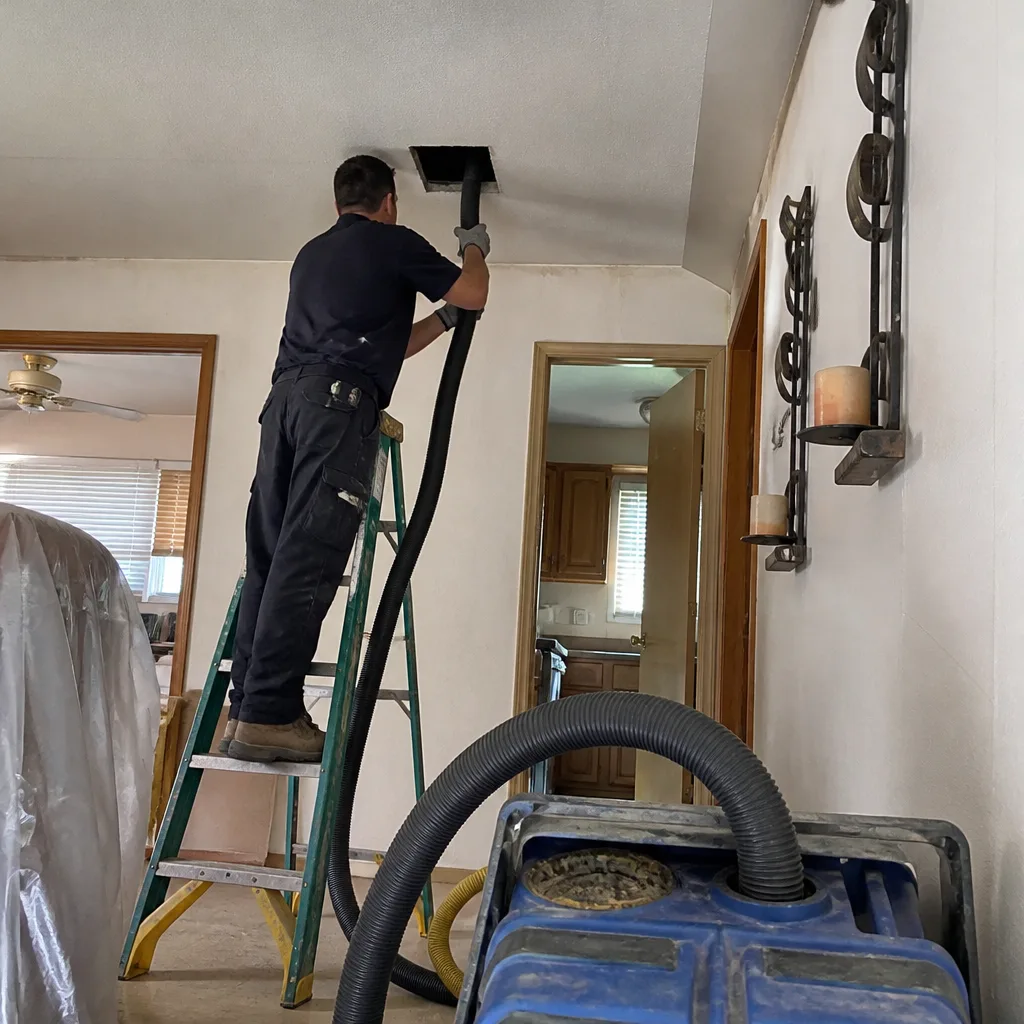 Before
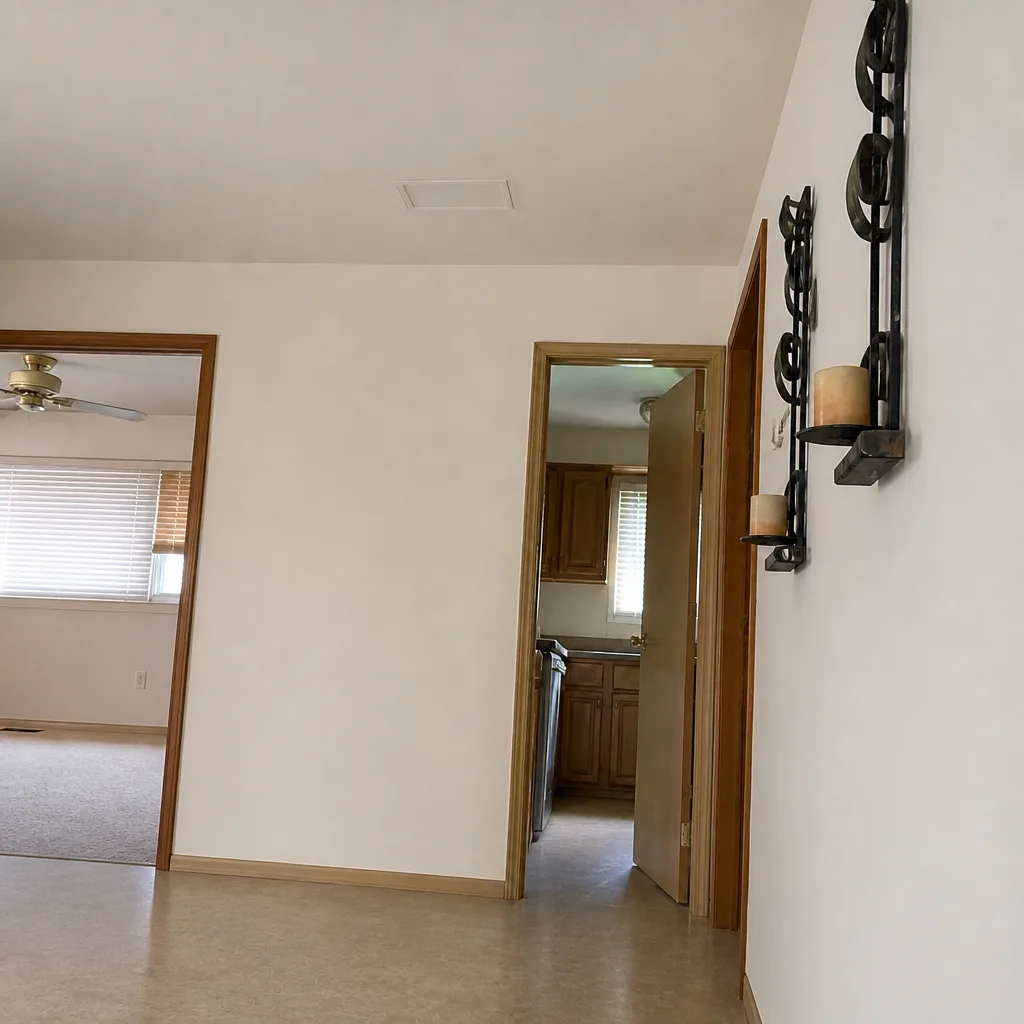 After
When to Call a Professional
Duct cleaning isn’t an annual maintenance item for every home. But there are specific conditions that make it worth a call in Nampa. If you’ve noticed dust building up on return registers within days of cleaning, if you can see visible debris or a film on the interior of supply registers, if a recent remodel kicked up drywall dust that pulled through the return, if you’re moving into a home with unknown duct history, or if allergy or asthma symptoms in the household seem worse indoors than out – those are all reasons to get an inspection. A disconnected run or a crushed section is a different reason: that’s a duct repair problem, and cleaning alone won’t fix it. Duct repair is part of what we do, and if we find a gap, collapse, or disconnected run during an inspection, we fix it on the same visit rather than referring you out. Nampa Duct Cleaning offers free estimates in Nampa – call (833) 842-1697 to book one.
Frequently Asked Questions
Air duct cleaning pricing in Nampa is typically quoted per system, not per vent, and ranges based on the size of the home and the number of returns – most single-family residential jobs run in the range of a few hundred dollars to just under a thousand depending on scope. Per-vent pricing with a low coupon number is a red flag because the teaser price almost always escalates once the technician is on site. The written estimate sets the final price. Call (833) 842-1697 for an exact quote – estimates are free.
Cheap quotes usually reflect a cheaper process: air-only cleaning without rotary brushes, no air handler cabinet access, no camera inspection, and a technician whose job is to find additional problems on site. The real cost difference shows up in what’s not being done. Ask the three equipment questions before you compare prices – two quotes for different scopes aren’t comparable. Call (833) 842-1697 to walk through scope for your specific system – estimates are free.
Before-and-after photos of your own ducts, taken during the job, are the standard proof that a legitimate contractor will provide without being asked twice. Camera inspection during and after cleaning should show the difference directly. A contractor who can’t produce photos of your system is asking you to take their word for it. Before-and-after photos of your own ducts are standard on every job we do. Call (833) 842-1697 to book an estimate.
Most homes don’t need duct cleaning on a fixed schedule – the industry guidance is generally that cleaning is warranted when conditions call for it, not on a set interval for every home. Pets, recent remodeling, allergy or asthma concerns, water intrusion, or visible debris at registers are the conditions that make a cleaning worth doing. If a company tells you it must be done every year regardless, ask for their reasoning in writing. Call (833) 842-1697 for an honest assessment – estimates are free.
No. Idaho does not require a specialty license for duct cleaning, so no duct cleaning contractor in Nampa is licensed by the state for this work. NADCA is a voluntary trade association that publishes process standards – useful as a signal, but not a licensing authority. The practical protection is the written quote, insurance verification, and the answers to the three equipment questions. Call (833) 842-1697 if you want to walk through any of these before booking.
Not necessarily, but it depends on the contractor. Many duct cleaning companies document problems and refer them out, which means two contractors, two visits, and no accountability for a repair done badly by whoever shows up second. Duct repair is part of what we do as part of the cleaning service, so a gap, collapse, or disconnected run found during an inspection gets fixed on site. If your existing contractor says they “can’t do that,” ask who they’ll refer you to and get that price in writing too. Call (833) 842-1697 for a repair-inclusive estimate.
The Bottom Line
Idaho’s lack of a specialty license for duct cleaning means the hiring decision is entirely yours to make well. The good news is that legitimate contractors are easy to spot once you know what to ask: they answer the three equipment questions without hesitation, they provide a written quote with scope and method and a firm price per system, they carry insurance for interior work, and they have a clear protocol for what happens if a joint separates during the job. Skip anyone quoting per-vent over the phone or promising a same-day discount at the door. If you’re ready to book an inspection in Nampa, we use the same HEPA-rated equipment as professional remediation crews – not shop vacuums – and we handle duct cleaning, dryer vent cleaning, and duct repair in a single visit.
Call (833) 842-1697 for a free estimate. We answer 24/7. Fast dispatch from 7am to 7pm, Sunday through Friday.
Written by the team at Nampa Duct Cleaning.